'Similar insensitivity on full display after one year': Congress on Dhankhar resignation
Source Entity
TOI NEWS DESK
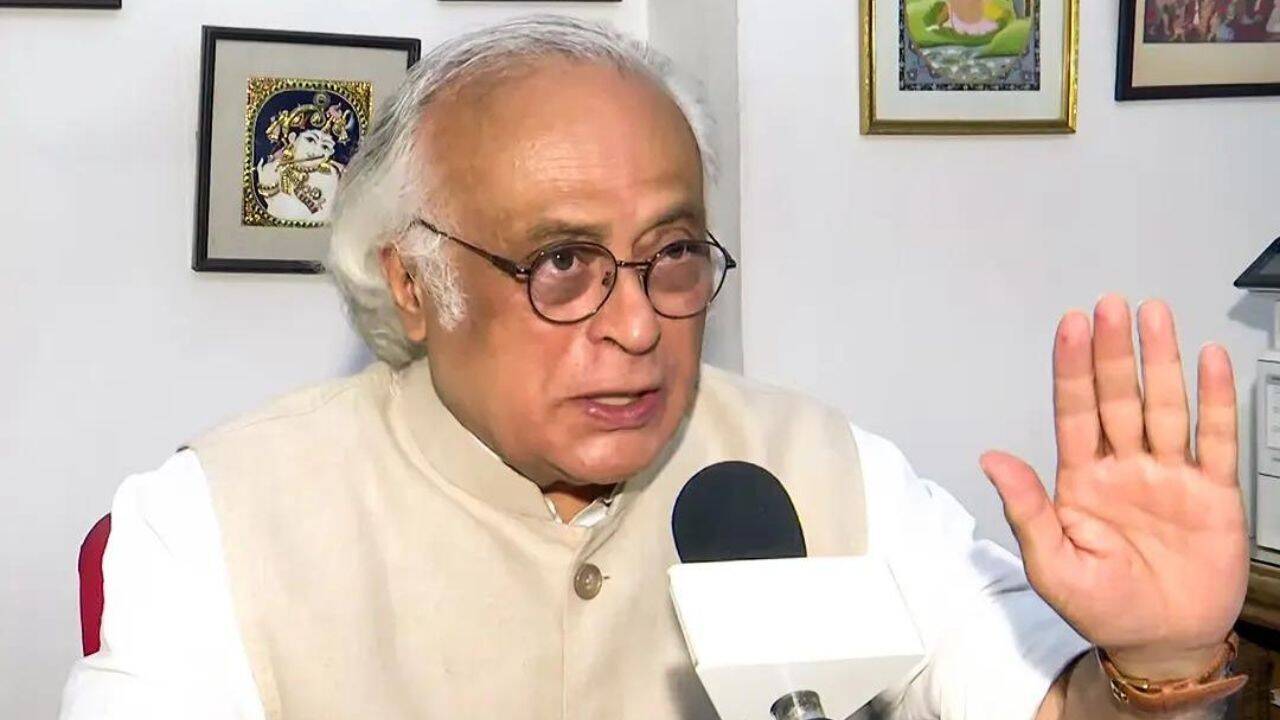
Congress leader Jairam Ramesh has criticized the central government on the anniversary of Jagdeep Dhankhar's resignation as Vice President. He alleges the government forced his exit due to his advocacy for farmers and claims this reflects a broader pattern of official indifference toward public concerns.
The Politics of Resignation: Analyzing the Congress Critique
Contextualizing the Anniversary
The recent remarks by Congress leader Jairam Ramesh regarding the first anniversary of former Vice President Jagdeep Dhankhar’s resignation have reignited discussions surrounding executive-legislative relations and the treatment of constitutional officeholders. Ramesh’s critique, delivered via social media, frames the resignation not as a voluntary departure, but as a forced exit necessitated by Dhankhar’s outspoken stance on agrarian issues. By highlighting the timeline of his tenure—stepping down three years into a five-year term—the opposition seeks to underscore a narrative of political intolerance within the current administration.
The Farmers’ Advocacy Conflict
At the heart of this controversy lies the alleged friction between the former Vice President and the central government over the plight of farmers. According to the Congress narrative, Dhankhar’s expression of anguish regarding government policy was met with hostility rather than constructive engagement. This underscores a recurring theme in Indian politics where constitutional figures are expected to align strictly with the government’s prevailing agenda, and any deviation or vocal empathy for protesting groups is viewed as a breach of political loyalty.
Allegations of Institutional Insensitivity
Jairam Ramesh’s assertion that the government displayed "shocking insensitivity" serves as a bridge to wider criticisms of the current administration’s governance style. By drawing a direct parallel between the treatment of Dhankhar and the current handling of protests by students and youth, the Congress is attempting to establish a pattern of indifference. This rhetorical strategy aims to portray the government as disconnected from the grassroots struggles of diverse demographic groups, including farmers and the younger generation.
Historical and Political Implications
The abrupt nature of the resignation, as described by the Congress, raises critical questions about the stability and independence of constitutional offices. If such high-level exits are indeed driven by political pressure rather than personal choice, it suggests a narrowing space for dissent within the state apparatus. This historical precedent, as framed by the opposition, serves as a cautionary tale about the potential erosion of democratic checks and balances when political expediency outweighs institutional autonomy.
Future Trends and Political Polarization
Looking forward, this narrative is likely to remain a cornerstone of the opposition's campaign against the ruling party. As the government faces ongoing protests from various sectors, the Congress will likely continue to utilize the Dhankhar episode as a symbol of the government’s perceived autocratic tendencies. This indicates a deepening political polarization where every resignation or internal party shift is immediately absorbed into a larger ideological battle for the democratic integrity of the nation.
Conclusion
The criticism leveled by Jairam Ramesh serves as more than just a retrospective comment on a past resignation; it is a strategic political maneuver intended to highlight systemic issues within the governance framework. By linking the past treatment of a high-ranking official to the current grievances of the youth and students, the Congress is effectively crafting a broader narrative of systemic apathy, ensuring that the discourse around the former Vice President’s exit remains relevant in today's volatile political climate.