Your car’s data privacy problems are worse than you think
Source Entity
Andrew J. Hawkins
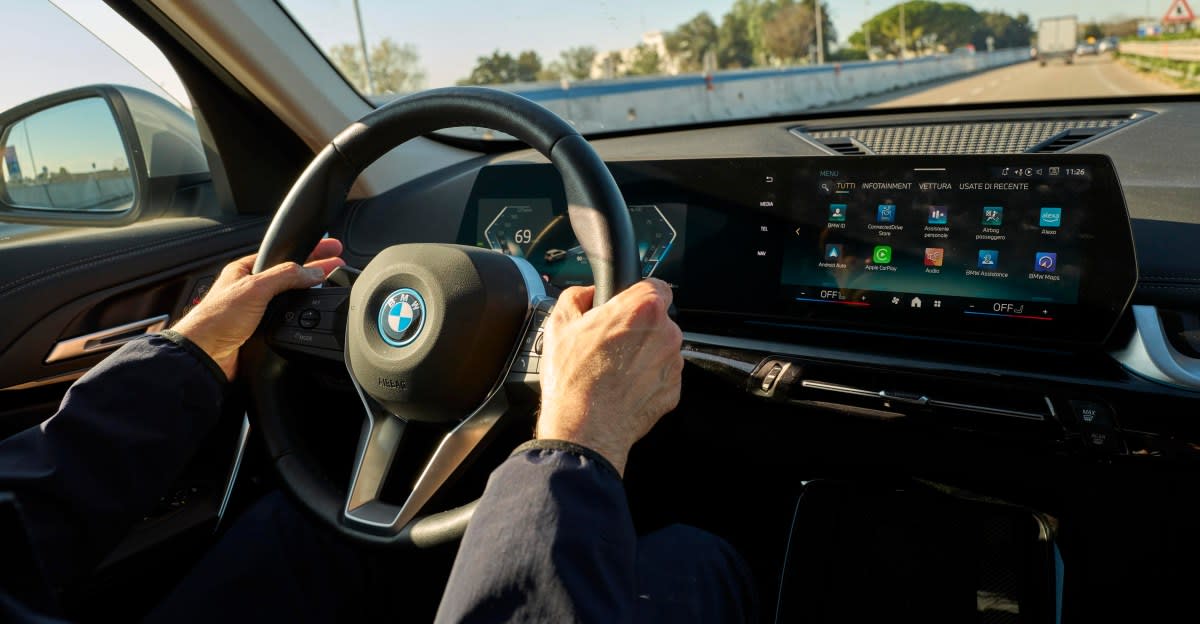
Recent studies from Northeastern University and Consumer Reports confirm that modern connected vehicles act as pervasive data trackers. These cars, alongside their companion apps, regularly share sensitive driving and behavioral data with advertisers, Big Tech firms, and insurance companies.
The Privacy Crisis of the Connected Car
Modern vehicles have evolved from mechanical machines into sophisticated computers on wheels, functioning much like smartphones. While this connectivity enables features like remote start, real-time navigation, and over-the-air software updates, it has also transformed the automobile into a massive data-harvesting tool. As recent research highlights, these vehicles track everything from acceleration and braking patterns to precise GPS locations, creating a digital footprint that is often sold or shared without explicit consumer understanding.
The Scope of Data Harvesting
Recent investigations by Northeastern University, in collaboration with Consumer Reports, have shed light on the sheer volume of data being exfiltrated from modern vehicles. By testing 21 late-model cars from 17 different manufacturers—including industry giants like GM, Ford, Toyota, and Tesla—researchers confirmed that data is not merely collected but is actively transmitted to third parties. This includes major technology firms like Microsoft and Adobe, as well as data brokers and insurance companies who use this information to profile driver behavior.
The Multiplier Effect of Companion Apps
One of the most concerning aspects of this data ecosystem is the role of companion mobile applications. Many consumers believe that opting out of certain in-car features protects their privacy, but the study indicates that using a vehicle’s companion app often serves as a secondary, and perhaps more invasive, point of data collection. These apps can aggregate personal information and link it to the vehicle's telemetry, effectively creating a comprehensive profile that is much harder for the average consumer to opt out of.
Regulatory Scrutiny and Industry Pushback
The legality and ethics of this practice are increasingly coming under fire. Last year, the Federal Trade Commission (FTC) took significant action by penalizing General Motors for the unauthorized collection and sale of precise location and driving behavior data. This regulatory intervention signals a growing acknowledgment that current industry practices often bypass the standard of "informed consent." Despite these warnings, the Mozilla Foundation’s 2023 report labeled the automotive sector as the "worst product category" for privacy, suggesting that the problem is systemic rather than isolated.
Challenges for the Consumer
For the modern driver, the ability to maintain privacy is becoming nearly impossible. As the study suggests, avoiding data collection requires either abstaining from essential "convenience" features—such as remote unlock or smartphone integration—or, in extreme cases, not using the vehicle at all. This creates a coercive environment where consumers must trade their fundamental right to privacy for the basic utility of their modern transportation.
Future Trends and Outlook
Looking forward, the tension between vehicle connectivity and user privacy is set to intensify. As cars become more autonomous and reliant on cloud-based AI, the demand for data will only grow. Without stringent federal legislation to standardize privacy policies and limit the secondary use of driving data, consumers will remain at the mercy of opaque corporate agreements. The future of the automotive industry depends on whether manufacturers can pivot toward "privacy by design" or if they will continue to prioritize data monetization at the expense of user trust.