Bags arrived ‘ripped’ open with items ‘missing’, airline told to pay Rs 3.61 lakh
Source Entity
Richa Sahay
Two separate consumer commissions in India have ordered significant financial compensation for grievances involving travel-related fraud and airline negligence. These rulings reinforce the growing judicial focus on holding service providers accountable for baggage security and fraudulent employment practices.
Consumer Commissions Crack Down on Service Provider Negligence
In two distinct yet significant legal developments, consumer commissions in Delhi and Kerala have recently issued rulings that underscore the strengthening of consumer rights in India. These cases highlight the judiciary's increasing intolerance toward service providers who fail to meet basic standards of professional conduct, whether through the mishandling of physical property or the orchestration of fraudulent employment schemes.
Accountability in International Air Travel
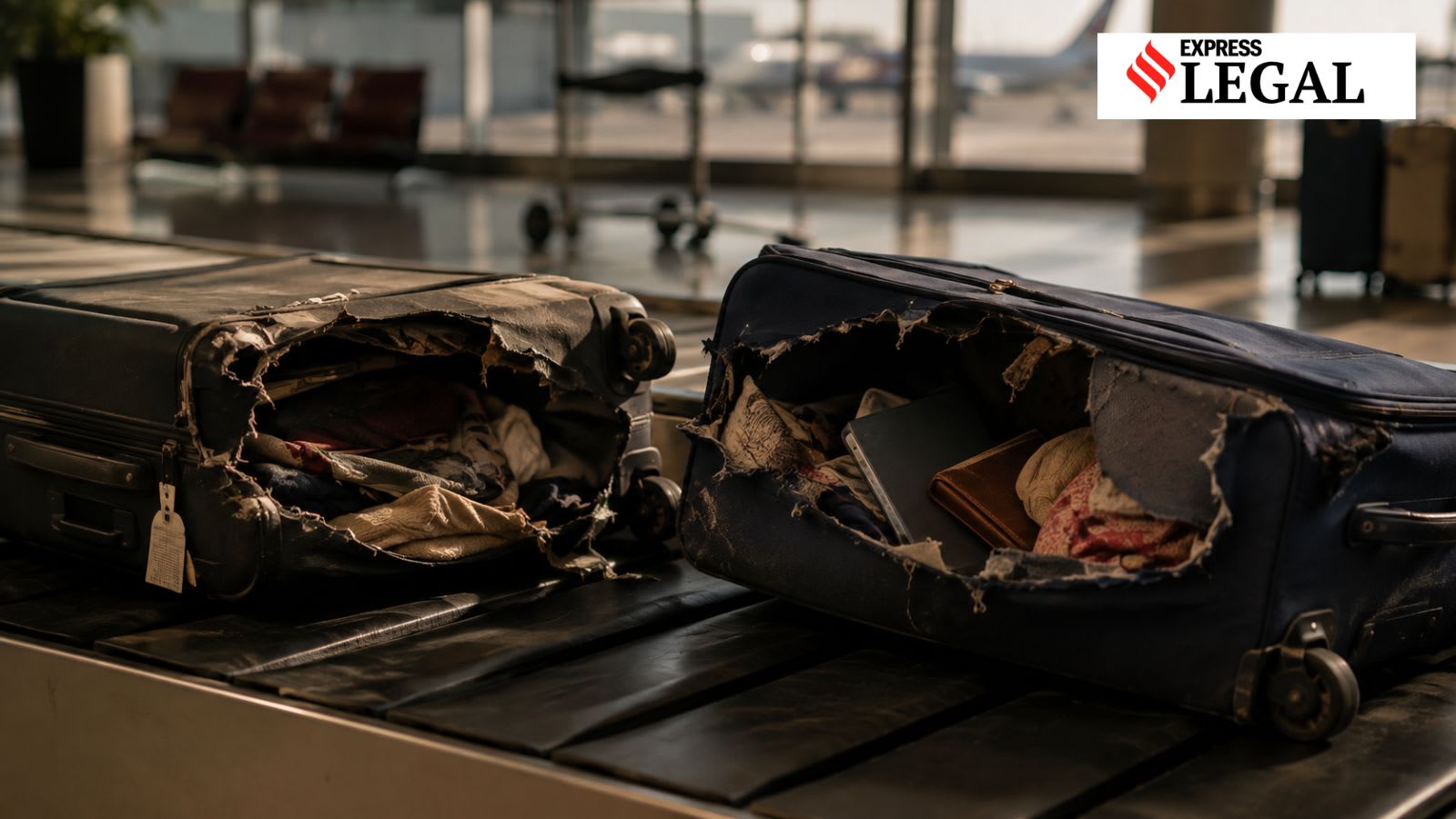
The Delhi consumer commission’s decision to order an airline to pay Rs 3.61 lakh serves as a stern reminder of the duty of care airlines owe to passengers. By finding the airline 'deficient' in its handling of luggage on the Miami-Toronto sector, the commission identified a critical failure in internal oversight. The fact that the airline could not produce a baggage search or survey report when confronted with ripped, tampered luggage suggests a systemic breakdown in cargo security protocols. This ruling sets a precedent for passengers who find themselves victims of cargo theft, emphasizing that airlines cannot simply disclaim liability without evidence of a thorough internal investigation.
Combatting Overseas Employment Fraud
Parallel to the airline case, the Kollam District Consumer Disputes Redressal Commission in Kerala addressed a severe instance of employment fraud. By directing two agents to pay Rs 5.8 lakh, the commission penalized the defendants for providing fake flight bookings and making empty promises regarding jobs in Israel. The court specifically noted the audacity of the agents in continuing to provide travel dates even after the outbreak of the Israel conflict in October 2023, signaling a flagrant disregard for the complainant's safety and financial well-being.
The Role of Consumer Commissions
The actions of these commissions reflect a broader trend in Indian jurisprudence where service providers are being held 'jointly and severally liable' for losses. In both cases, the failure of the accused parties to appear or provide meaningful explanations was interpreted by the court as a fundamental breach of the service contract. This shift toward holding providers accountable for the consequences of their inaction—rather than just their direct actions—is a powerful tool for consumer protection.
Broader Implications for the Travel Industry
These rulings have significant implications for the travel and recruitment sectors. For airlines, the message is clear: 'exclusive custody' of baggage brings with it the burden of proof. If luggage is damaged, the airline must demonstrate that it exercised due diligence. For employment agents, the ruling acts as a deterrent against the predatory practices that often target vulnerable job seekers. As these sectors continue to expand, the judiciary is signaling that digital or international distance is no longer a shield for service providers to evade their contractual obligations.
Conclusion
Ultimately, these two cases demonstrate that the Indian consumer protection framework is becoming increasingly robust. By ensuring that victims of negligence and fraud are compensated, these commissions are fostering a more transparent and accountable marketplace. Moving forward, providers will need to adopt more rigorous internal reporting and ethical business practices to avoid similar legal repercussions, as consumer awareness of their rights continues to rise.