Insurer flags husband’s ‘inflated’ income, widow gets Rs 1 crore insurance payout
Source Entity
Richa Sahay
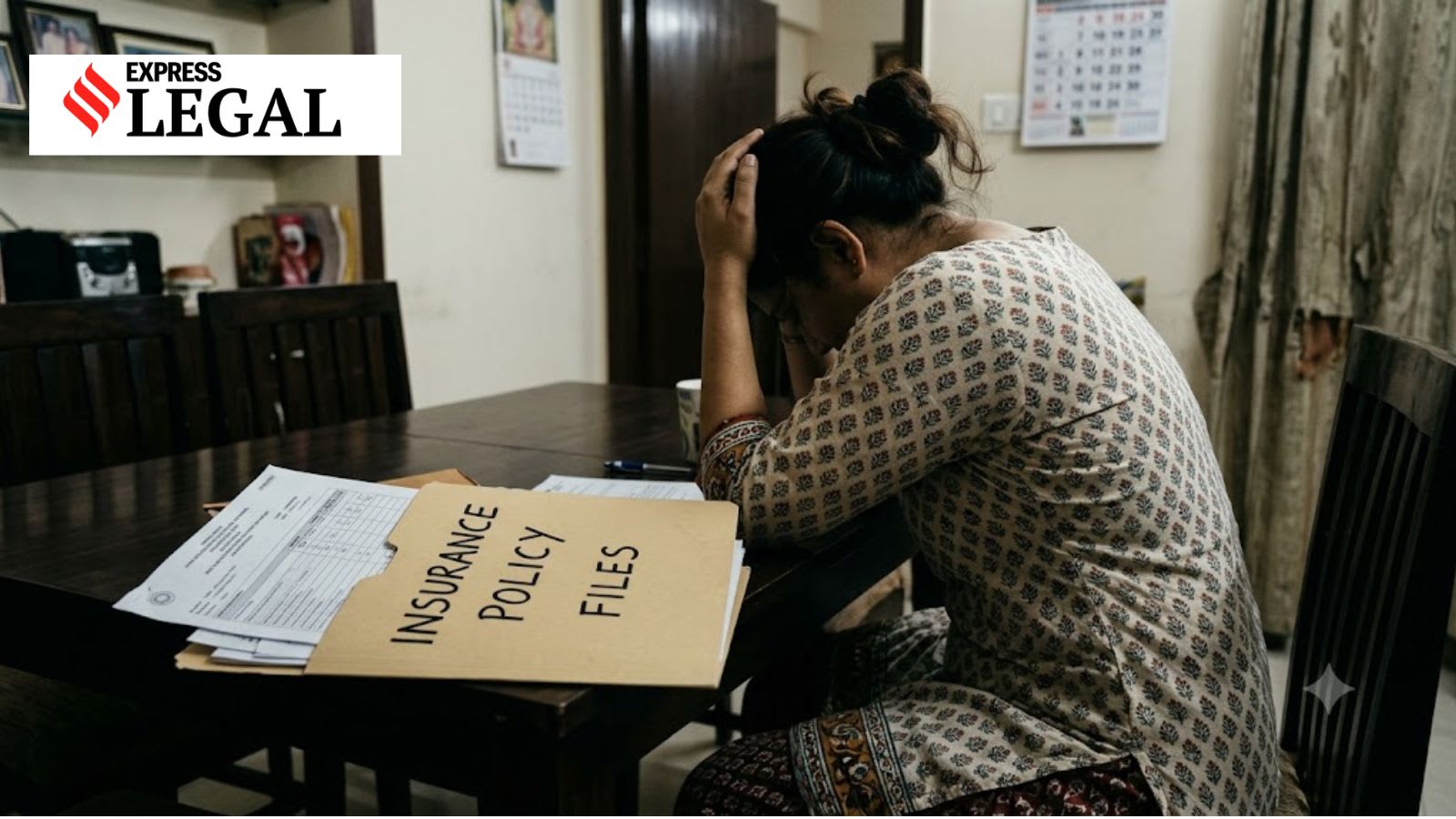
Consumer commissions in Andhra Pradesh, Punjab, and Kerala have recently ruled against financial institutions for unfair claim rejection and service delays. These rulings emphasize the protection of policyholders and depositors against systemic institutional negligence.
Consumer Commissions Strengthen Protections Against Financial Institutional Negligence
Recent rulings across various Indian states underscore a growing trend of consumer commissions taking a firm stance against financial institutions and insurance companies. In three distinct cases, authorities in Andhra Pradesh, Punjab, and Kerala have ordered payouts to claimants, highlighting a systemic issue where institutions often prioritize internal procedural disputes or profit protection over their contractual obligations to consumers.
The Burden of Proof in Insurance Claims
In the Andhra Pradesh case, the Kurnool District Consumer Commission ruled in favor of a widow whose insurance claim was rejected due to alleged income suppression. The Commission’s decision is significant because it placed the burden of proof squarely on the insurer. By ruling that the company failed to provide sufficient evidence that the policyholder deliberately inflated his income, the commission protected the beneficiary's rights. This sets a precedent that minor discrepancies in documentation cannot be used as a blanket justification for denying life insurance payouts following tragic events like the policyholder's death.
Combatting 'Green Pastures' Tactics
Parallel to this, the Punjab State Consumer Commission tackled the industry-wide practice of what it termed showing “green pastures” to clients. When insurance companies market policies, they emphasize reliability and security; however, as the commission noted, these same entities often resort to flimsy excuses to avoid paying legitimate claims when they fall due. By ruling against the United India Insurance Company regarding a theft claim, the commission signaled that the judiciary is increasingly intolerant of bureaucratic delays and bad-faith denials intended to discourage claimants.
Banking Accountability and Financial Security
Further emphasizing this trend, the Thiruvananthapuram District Consumer Commission addressed a critical failure in the banking sector. By ordering the Kandala Sahakarana Sangham Cooperative Bank to release matured fixed deposit funds to a widow, the commission prioritized the financial survival of the individual over the bank's internal administrative irregularities. The ruling explicitly acknowledged that when a bank acts as a custodian of an individual's only source of income, administrative lapses under the Cooperative Societies Act cannot be used as a shield to deny depositors their own capital.
Broader Implications for Consumer Rights
These cases collectively demonstrate a shift toward a more consumer-centric interpretation of financial contracts. In all three instances, the commissions awarded additional compensation for 'mental agony,' acknowledging that the emotional and financial toll of fighting a large institution is a form of damages in itself. This trend acts as a deterrent for companies that might otherwise view the cost of litigation as cheaper than the cost of honoring their insurance and banking obligations.
Future Trends in Financial Dispute Resolution
Looking ahead, it is likely that consumer commissions will continue to adopt a more aggressive posture against financial institutions that rely on technicalities to withhold funds. As awareness of consumer rights grows, institutions will be forced to streamline their verification processes at the point of sale rather than at the point of claim. This evolution is essential for maintaining trust in the insurance and banking sectors, ensuring that the 'green pastures' promised at the time of policy issuance translate into genuine security during times of crisis.