Groom stuck at airport on wedding eve after flight cancellation, wins Rs 43,000 payout
Source Entity
Jagriti Rai
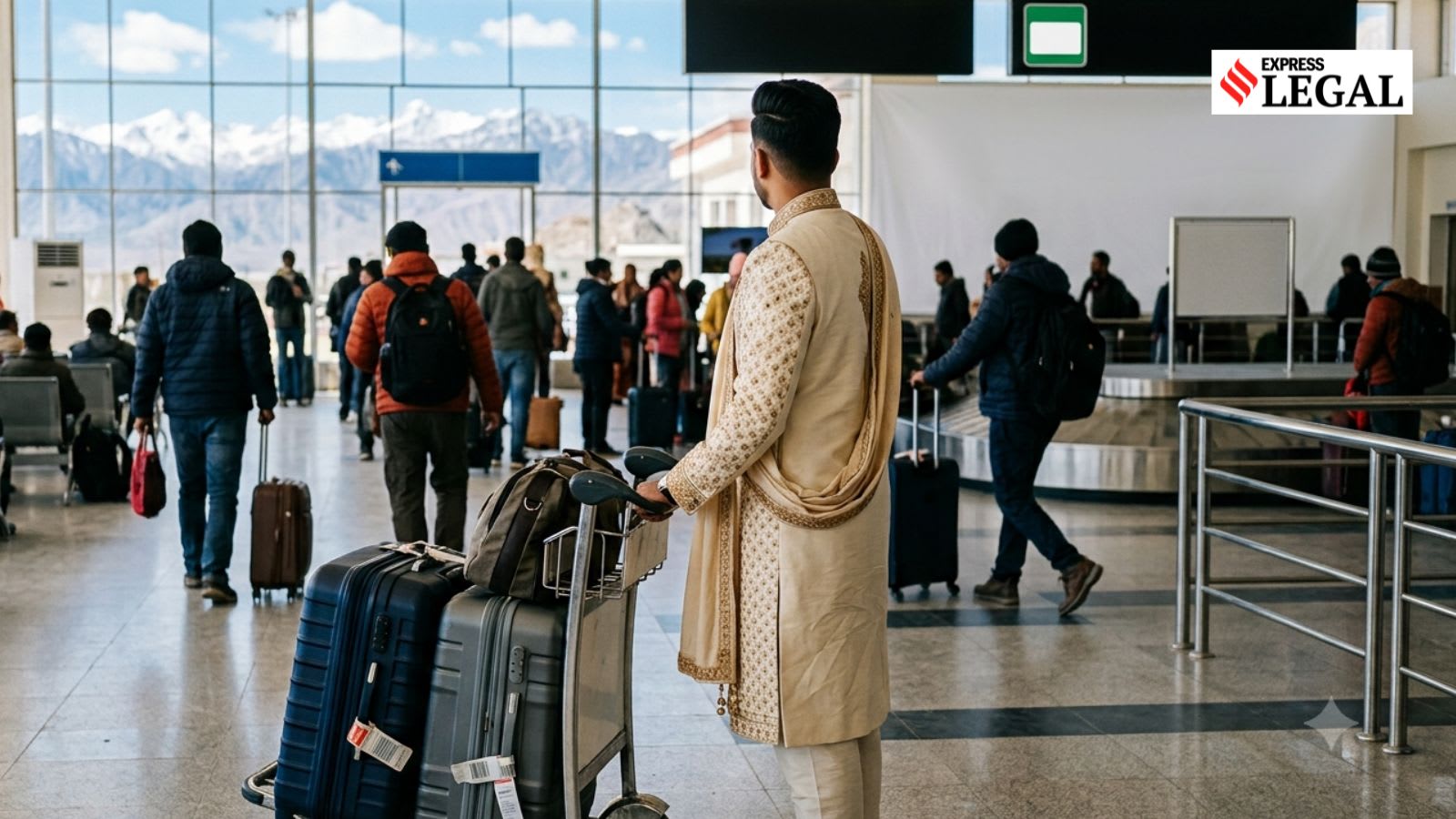
Consumer forums in Himachal Pradesh and Mumbai have recently ruled against travel companies for service deficiencies. These cases highlight the necessity of fair refund practices and accountability in the travel industry during airline insolvencies and pandemic-related disruptions.
Consumer Justice Prevails: Landmark Rulings in the Travel Sector
Recent legal developments have set a significant precedent for consumer rights within the Indian travel industry. Two distinct cases—one involving a stranded groom in Leh and another concerning a senior citizen's pandemic-era travel plans—have culminated in rulings that hold travel service providers accountable for negligence and unfair trade practices. By prioritizing the rights of the traveler over the procedural convenience of corporations, these consumer forums are reinforcing the mandate that service providers must operate with transparency and financial integrity.
The Go First Insolvency Fallout
In the first instance, a Himachal Pradesh consumer forum addressed the case of a groom who was left stranded at Leh airport after purchasing a ticket for a Go First flight. The crux of the issue was that the travel platform, EaseMyTrip, sold a ticket two days after the airline had already suspended operations due to insolvency. The forum rightly identified this as a clear deficiency in service, noting that the platform failed to exercise due diligence in its booking systems. The resulting order of Rs 43,261 serves as both a restitution for the financial loss and a recognition of the significant mental trauma caused by such a critical failure on the eve of a major life event.
Pandemic-Era Refund Disputes
Simultaneously, a Mumbai consumer body addressed a long-standing grievance involving a senior citizen, Anjudevi D Jajodia, and Neem Holidays Private Limited. The dispute centered on a 2020 Australia tour that was cancelled due to the Covid-19 pandemic. The company’s decision to issue a forced credit note instead of a cash refund was deemed a deficiency in service. The commission’s order to refund Rs 1.78 lakh, plus additional compensation, underscores a vital legal standard: consumers cannot be forced to accept credit notes as a substitute for cash when the service provider fails to deliver the promised experience.
Broader Implications for the Travel Industry
These rulings serve as a wake-up call for travel aggregators and tour operators. In an era where digital bookings are the norm, the responsibility of the intermediary to verify the operational status of airlines and adhere to fair refund policies is paramount. When companies prioritize profit over consumer welfare, they risk not only legal penalties but also severe damage to their brand reputation. These judgments provide a clear roadmap for future disputes, emphasizing that consumer protection laws are robust enough to combat corporate complacency.
The Role of Consumer Forums
These cases highlight the essential role of District Consumer Disputes Redressal Commissions in India. By providing an accessible pathway for individuals to seek justice against larger entities, these forums act as a vital check on corporate power. The awarding of litigation costs alongside compensation ensures that the process of seeking justice does not become a financial burden on the victim, thereby encouraging more consumers to hold service providers accountable for their failures.
Future Trends in Consumer Protection
Looking ahead, it is likely that travel companies will face increased regulatory scrutiny regarding their booking algorithms and refund policies. As the industry evolves, the expectation for real-time data transparency will grow. Consumers are becoming more litigation-savvy, and the digital age allows for greater awareness of legal rights. Companies that adopt proactive, transparent, and consumer-centric refund policies will be better positioned to navigate the complexities of the global travel market while avoiding the reputational and financial risks associated with service failures.
Multiple Citing Sources