Bengaluru builder to demolish newly completed 18-storey tower after it develops a tilt just months after receiving OC
Source Entity
Latest News: Todays Latest News Headlines from India & World | Hindustan Times | Hindustan Times
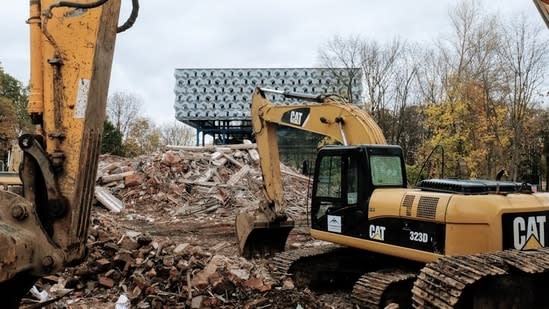
A Bengaluru developer has voluntarily initiated the demolition of a newly completed 18-storey tower at SNN Raj Etternia after it developed a structural tilt. The project, involving Edifice Engineering, includes full compensation for the 49 affected homebuyers during the reconstruction phase.
Voluntary Demolition of Bengaluru Residential Tower: A Precedent for Accountability
In an unprecedented move for the Indian real estate sector, a developer in Bengaluru has opted for the voluntary demolition of an 18-storey residential tower within the SNN Raj Etternia project near Kudlu. The decision follows the discovery of a structural tilt occurring only three months after the building received its Occupancy Certificate (OC). While high-profile demolitions like the Supertech Twin Towers in Noida and the Maradu flats in Kochi were court-mandated responses to regulatory violations, this instance stands apart as a proactive measure taken by the builder to ensure structural safety and maintain brand integrity.
The Scope of the Structural Crisis
The affected tower, part of a larger 15-tower complex housing nearly 970 apartments, faced a critical failure shortly after completion. Despite all 49 apartments being sold and prepared for handover, the developer identified the tilt, necessitating a complete teardown. This situation underscores the immense technical and financial risks inherent in high-rise construction, even when projects reach the final stages of certification and occupancy readiness.
Expert Intervention and Execution
The developer has engaged Edifice Engineering, the same firm responsible for the high-precision controlled demolition of the Noida Supertech Twin Towers. By bringing in a firm with a proven track record in complex demolition, the developer aims to mitigate collateral damage to the surrounding 14 towers in the SNN Raj Etternia complex. This level of technical oversight is essential to ensure that the demolition process does not compromise the stability of the adjacent, inhabited structures.
Protecting Homebuyer Interests
A significant aspect of this narrative is the developer’s commitment to the 49 affected homebuyers. According to Anuj Sanjay Jain, Director of Operations at SNN Raj Corp, the company has committed to providing financial compensation to all impacted buyers for the duration of the reconstruction. This compensation is designed to offset the burden of EMI payments and rental expenses, directly addressing the financial distress that often accompanies such structural failures.
Broader Implications for the Real Estate Sector
This event sets a new benchmark for corporate responsibility in the Indian real estate market. By choosing to demolish and rebuild rather than attempt a potentially unsafe structural repair or ignore the defect, the developer is prioritizing long-term safety over short-term losses—a move estimated to cost approximately ₹20 crore. This shift may influence future regulatory discussions regarding the necessity of post-construction structural audits and the transparency of builders when defects are identified.
Future Trends in Structural Transparency
As urban density increases and high-rise construction becomes the norm in cities like Bengaluru, the industry will likely see a move toward more rigorous, real-time structural monitoring. The voluntary nature of this demolition serves as a case study in how developers can manage reputational risk by taking decisive action. Going forward, homebuyers may demand higher levels of transparency regarding structural integrity reports, potentially leading to more stringent verification processes before an Occupancy Certificate is granted.
Multiple Citing Sources
Verification Required?