Why beat-and-raise earnings reports are no longer enough to push the stock market higher
Source Entity
Nora Redmond
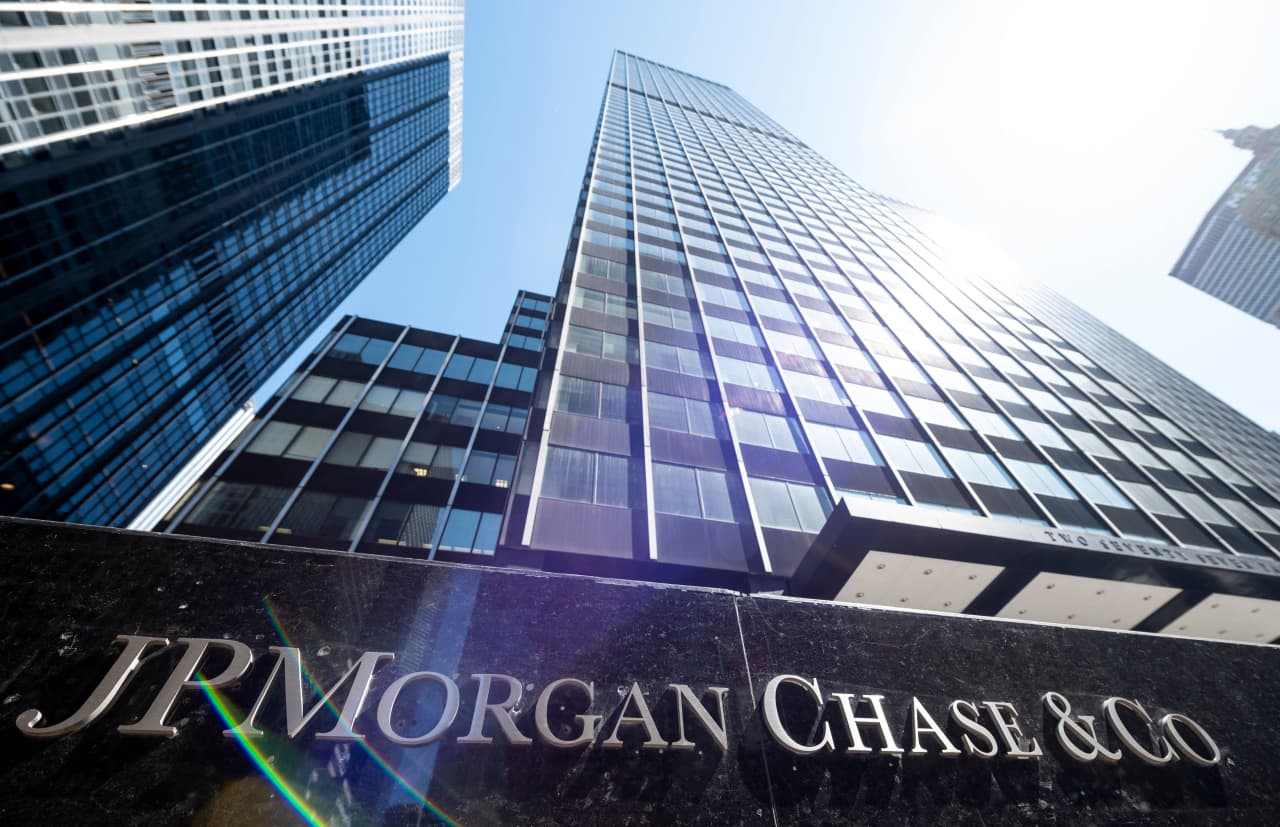
Corporate America faces headwinds as the traditional 'beat-and-raise' earnings strategy loses its power to drive stock prices. Changing inflation dynamics are forcing investors to scrutinize sustainability over short-term guidance.
The Eroding Power of Beat-and-Raise Earnings
For years, the 'beat-and-raise' strategy—where companies consistently report earnings that exceed analyst expectations while simultaneously raising forward guidance—served as the primary engine for stock market appreciation. This ritual created a predictable feedback loop that rewarded companies for incremental growth and cautious forecasting. However, the current economic climate is proving that this historical performance metric is no longer a guaranteed catalyst for sustained share price growth.
The Inflationary Paradigm Shift
The fundamental issue lies in the shifting inflation landscape. As inflation remains a persistent variable, the costs associated with labor, supply chain logistics, and raw materials have become increasingly volatile. When inflation was low and predictable, companies could easily manage margins; in today's environment, even firms that 'beat' earnings expectations are finding that the market is more concerned with the underlying sustainability of those margins rather than the top-line surprise.
Why Guidance is Under Scrutiny
Investors are increasingly skeptical of forward-looking guidance in an era of macroeconomic uncertainty. While companies may raise their outlook based on current performance, the market now prices in the high probability that future inflationary pressures could erode these gains. This skepticism means that investors are no longer taking 'raise' announcements at face value, leading to muted market reactions even when companies report objectively positive news.
Broader Implications for Corporate America
This trend signals a transition from a growth-at-any-cost mindset to one focused on operational efficiency and pricing power. Companies that cannot demonstrate an ability to pass costs onto consumers or optimize their internal processes without sacrificing quality are finding their stock prices stagnating. The 'beat-and-raise' model, which relies heavily on favorable macro conditions, is failing to account for the structural inflation that now defines the corporate operating environment.
Future Trends and Investor Behavior
Looking forward, we can expect a shift in how institutional investors evaluate corporate health. We are likely to see a movement toward more rigorous fundamental analysis that prioritizes cash flow stability and debt management over simple earnings-per-share (EPS) beats. As the market matures in its response to inflation, the emphasis will remain on companies that can prove they are 'inflation-proof' rather than those that simply benefit from short-term accounting advantages.
Concluding Summary
The era of relying on 'beat-and-raise' reports to drive market rallies is fading. As inflation continues to complicate the fiscal outlook for corporate America, investors are demanding more transparency and resilience. Only companies that can navigate these inflationary headwinds through genuine operational strength, rather than just favorable quarterly surprises, will be positioned to maintain their valuation in the coming market cycles.
Verification Required?