‘Missing’ deposit, ‘fraudulent’ withdrawals in bank account: Woman wins Rs 1.72 lakh
Source Entity
Richa Sahay
Recent rulings from consumer forums in Haryana, Kerala, and Telangana highlight a growing trend of holding major corporations accountable for service deficiencies. These cases emphasize the rights of consumers against banking fraud, deceptive packaging, and unfair trade practices.
Consumer Empowerment Through Legal Redressal
Recent judicial pronouncements from consumer forums across India underscore a significant shift in the landscape of consumer protection. From banking institutions and multinational food corporations to telecommunications giants, service providers are increasingly being held accountable for lapses in service, deceptive business practices, and operational negligence. These rulings, spanning Haryana, Kerala, and Telangana, serve as a stern reminder that the consumer is the focal point of the marketplace, and grievances must be addressed with transparency and efficiency.
Banking Accountability and Internal Fraud
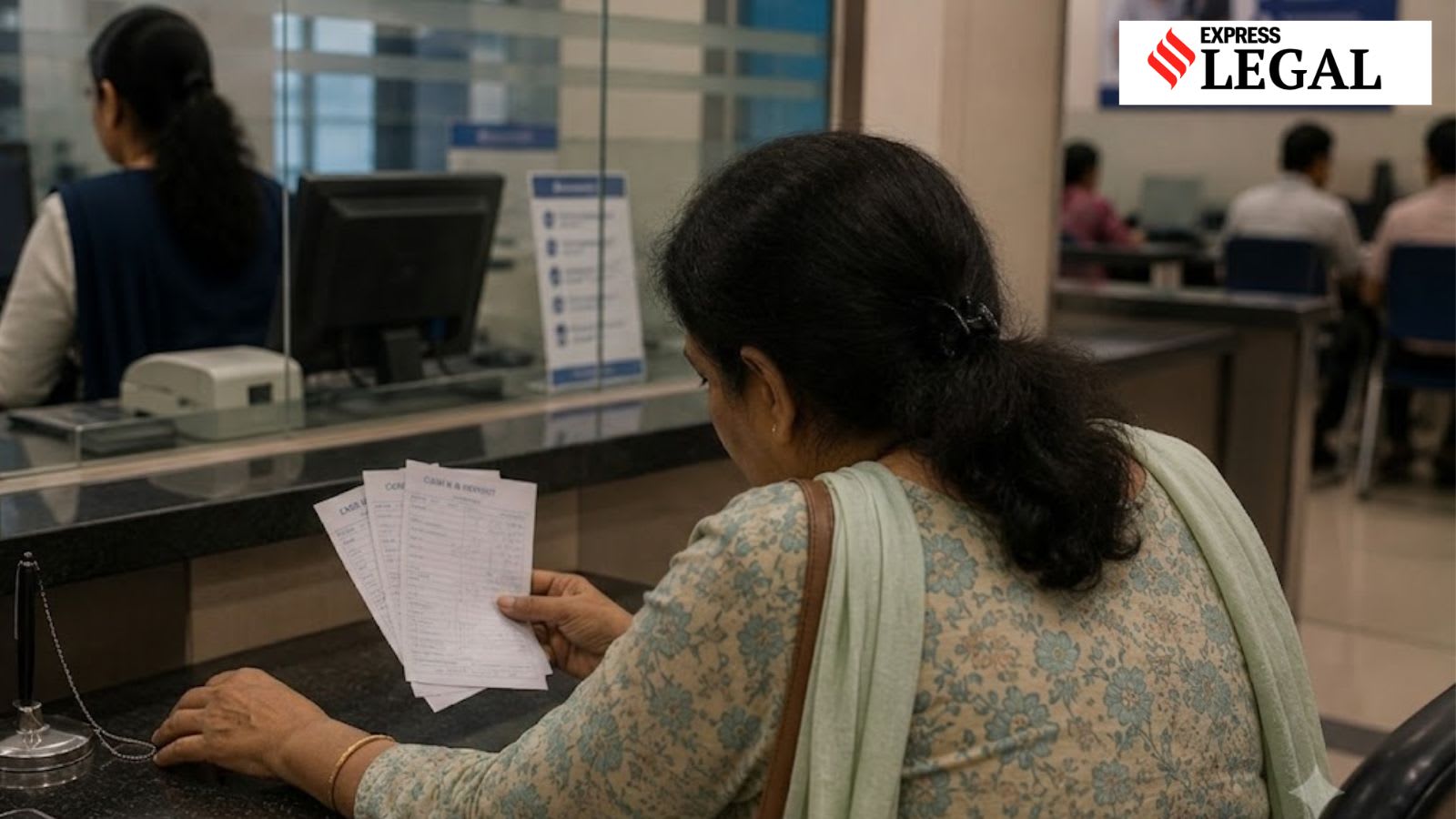
In a landmark case from Rohtak, Haryana, the District Consumer Disputes Redressal Commission held the State Bank of India (SBI) deficient in service after a customer, Saroj Rani, reported missing deposits of Rs 75,000 and unauthorized withdrawals of Rs 87,000. The commission’s ruling—mandating a full refund of Rs 1.62 lakh plus compensation—highlights the vicarious liability of financial institutions. The principle established here is that a bank is responsible for the actions of its employees, and failure to safeguard customer deposits constitutes a grave breach of trust that cannot be ignored under the guise of administrative oversight.
Integrity in Product Labeling
In Kerala, the consumer commission tackled the issue of deceptive packaging by ruling against Parle Biscuit Company. A customer discovered that a biscuit packet labeled as 150 grams actually contained only 126 grams. By ordering a combined payout of Rs 50,000 from the manufacturer and the retailer, the commission has reinforced the necessity of accuracy in product labeling. This case serves as a broader warning to FMCG companies that weight discrepancies, whether intentional or the result of systemic error, constitute a direct violation of consumer rights and fair trade standards.
Fairness in Telecommunications Services
Telecommunications providers are also facing stricter scrutiny. A Telangana District Consumer Commission found Reliance Jio Infocomm guilty of unfair trade practices after the company accepted payment to reactivate an internet connection but failed to restore services. The commission noted the company's inability to provide evidence of its attempts to resolve the issue or retrieve equipment. By ordering a refund and litigation costs, the commission has curtailed the practice of collecting fees for non-existent services, emphasizing the requirement for documented proof in dispute resolution.
Implications for Future Consumer Trends
These three cases reflect a hardening stance by consumer commissions against corporate negligence. As digital transactions and retail automation increase, the potential for 'invisible' errors—such as internal banking fraud or under-filled packaging—grows. The trend suggests that consumers are becoming more vigilant and are successfully utilizing the legal framework to contest unfair practices. Future corporate strategies must prioritize robust internal audits and customer service protocols to avoid the reputational and financial costs of such litigation.
Conclusion: A Shift in Power Dynamics
Ultimately, the cumulative effect of these rulings is the strengthening of the Indian consumer’s position. Whether it is the failure to credit a deposit, the misrepresentation of product weight, or the collection of fees for undelivered services, the message from these judicial bodies is uniform: corporations are obligated to uphold their contractual and ethical duties. As awareness of these rights continues to proliferate, businesses must anticipate a higher standard of accountability and a more proactive regulatory environment.
Multiple Citing Sources