‘Denied’ boarding over UK visa despite US itinerary, man wins Rs 1.72 lakh from airlines
Source Entity
Ashish Shaji
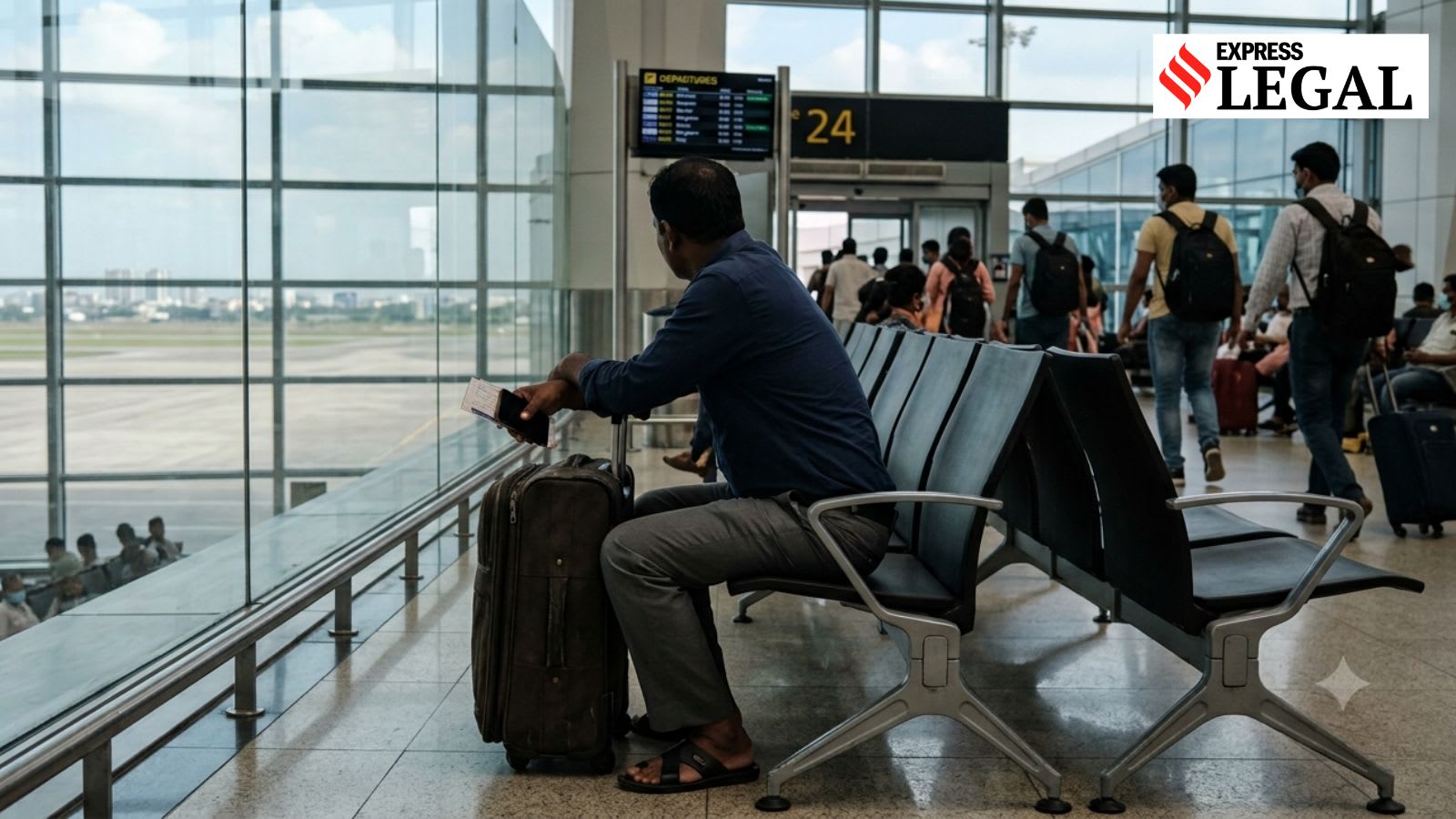
Consumer commissions in India have recently ruled in favor of passengers and policyholders in three distinct cases of service deficiency. These rulings mandate compensation for travel disruptions and unfair insurance claim denials.
Strengthening Consumer Rights: Recent Rulings in India
The Indian consumer protection landscape has seen a series of significant interventions by various district commissions, reinforcing the accountability of service providers in the travel and insurance sectors. Recent rulings from Punjab, Himachal Pradesh, and Kerala highlight a growing trend where judicial bodies are prioritizing the rights of individuals over the procedural errors or negligence of large corporations.
Travel Negligence: Misunderstanding Itineraries
In a notable case in Punjab, a consumer commission penalized an airline for denying boarding to a passenger traveling to the United States. The airline staff erroneously treated London—a mere transit point—as the final destination, demanding a UK visa that was not required for the journey. This oversight, described as a deficiency in service, resulted in a refund of Rs 1.37 lakh and additional compensation of Rs 35,500. This ruling serves as a reminder that travel operators bear the burden of verifying complex itineraries to prevent unnecessary financial and mental hardship for passengers.
Insurance Accountability: The Burden of Proof
Simultaneously, the Himachal Pradesh consumer commission addressed a dispute involving the Life Insurance Corporation (LIC). The commission ruled against the insurer for denying a death claim related to a victim of COVID-19. The insurer had alleged the deceased concealed a pre-existing respiratory condition; however, the commission found no cogent medical evidence to support this claim. By ordering a payout of Rs 2.25 lakh, the commission underscored that insurance companies cannot arbitrarily reject claims based on unsubstantiated medical history.
Unfair Trade Practices in Transport
In a third instance, a Kerala-based bus operator was held liable after a passenger missed a critical hospital appointment for tumor treatment due to a six-hour vehicle breakdown in a forest area near Thirunelli. The commission awarded Rs 22,849 in total compensation, noting that the operator’s failure to provide a timely service constituted an unfair trade practice. The lack of defense from the operator highlighted the importance of accountability in public and private transport services.
Broader Implications and Trends
These cases, while distinct in their sectors, reflect a unified judicial approach toward protecting consumer welfare. The recurring theme across these rulings is the 'deficiency of service'—a legal standard that empowers commissions to penalize companies for failures that lead to mental agony and financial loss. As consumers become increasingly aware of their rights under the Consumer Protection Act, companies are being forced to adopt more robust verification processes and transparent claim-handling policies.
Future Outlook
Looking ahead, it is likely that consumer commissions will continue to adopt a zero-tolerance policy toward service providers that ignore the human element of their business. Whether it is a transit visa error, an insurance claim denial, or a transport breakdown, the expectation for professional diligence is higher than ever. These rulings serve as a deterrent, signaling that corporations must invest in better staff training and evidence-based decision-making to avoid the escalating costs of litigation and reputational damage.