West Asia conflict inflates India’s net oil, gas import bill by 43% in April-July
Source Entity
Sukalp Sharma
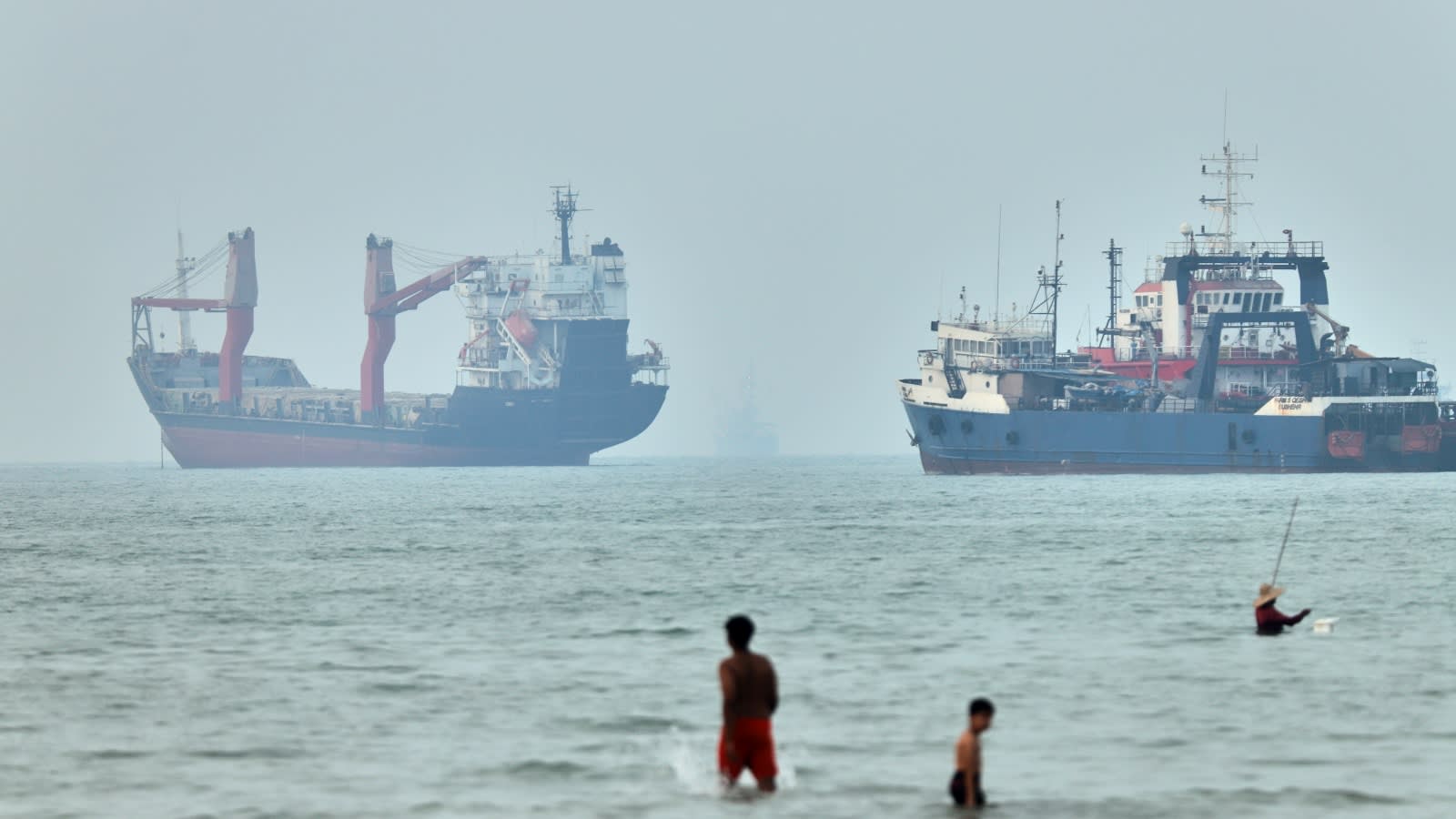
India's net oil and gas import bill surged by 43.4% to $57.8 billion between April and July due to the West Asia conflict. Supply chain disruptions at the Strait of Hormuz have driven up global prices, significantly impacting India's energy expenditure.
India's Energy Import Costs Surge Amid West Asia Instability
The Financial Impact of Geopolitical Volatility
India’s energy import bill has experienced a dramatic escalation during the first four months of the current fiscal year, with provisional data from the petroleum ministry revealing a 43.4% increase in net oil and gas import costs. Between April and July, the net expenditure rose to $57.8 billion, compared to $40.3 billion during the same period in the previous year. This substantial financial burden is directly attributed to the ongoing conflict in West Asia, which has created acute supply tightness and elevated global energy prices.
The Strategic Significance of the Strait of Hormuz
The primary catalyst for this price volatility is the disruption of energy flows through the Strait of Hormuz. As one of the world's most critical maritime chokepoints, any instability in this region forces global markets to price in the risk of supply interruptions. For India, which remains heavily dependent on energy imports to fuel its domestic industrial and economic growth, the stifled movement of crude oil and liquefied natural gas (LNG) through this corridor has directly translated into higher landed costs, regardless of whether import volumes remain relatively stable.
Volume vs. Value: A Disconnect in Market Dynamics
An analysis of the trade data reveals a critical disconnect between the volume of imports and their monetary value. While the physical volume of oil and LNG imports saw only marginal growth, the total expenditure surged significantly. This indicates that India is paying a substantial premium for its energy requirements due to the inflationary pressure on global oil benchmarks. Conversely, petroleum product exports saw a decline in volume but an increase in value, suggesting that refined product prices are also being dictated by the broader regional supply crisis.
Broader Economic Implications for India
The surge in the import bill poses a significant challenge to India's macroeconomic stability. As a net importer of energy, India's balance of trade is highly sensitive to fluctuations in global oil prices. The 43.4% spike in import value exerts pressure on the current account deficit and necessitates careful fiscal management to mitigate the impact on domestic inflation and the Indian Rupee. If these geopolitical tensions persist, the government may face difficult choices regarding fuel subsidies and domestic pricing policies.
Future Outlook and Energy Security
Looking ahead, the situation underscores the urgent need for India to accelerate its energy diversification strategy. The reliance on transit routes through volatile regions like the Strait of Hormuz remains a systemic risk to the Indian economy. Moving forward, trends suggest that India will likely increase efforts to secure long-term contracts, expand its strategic petroleum reserves, and accelerate the transition toward renewable energy sources to insulate itself from future geopolitical shocks in West Asia. The current data serves as a stark reminder of how regional conflicts can rapidly inflate national expenditures, necessitating a robust and adaptive energy security framework.