Controversial vaccine trial touted by RFK Jr gets go-ahead in Guinea-Bissau
Source Entity
Melody Schreiber
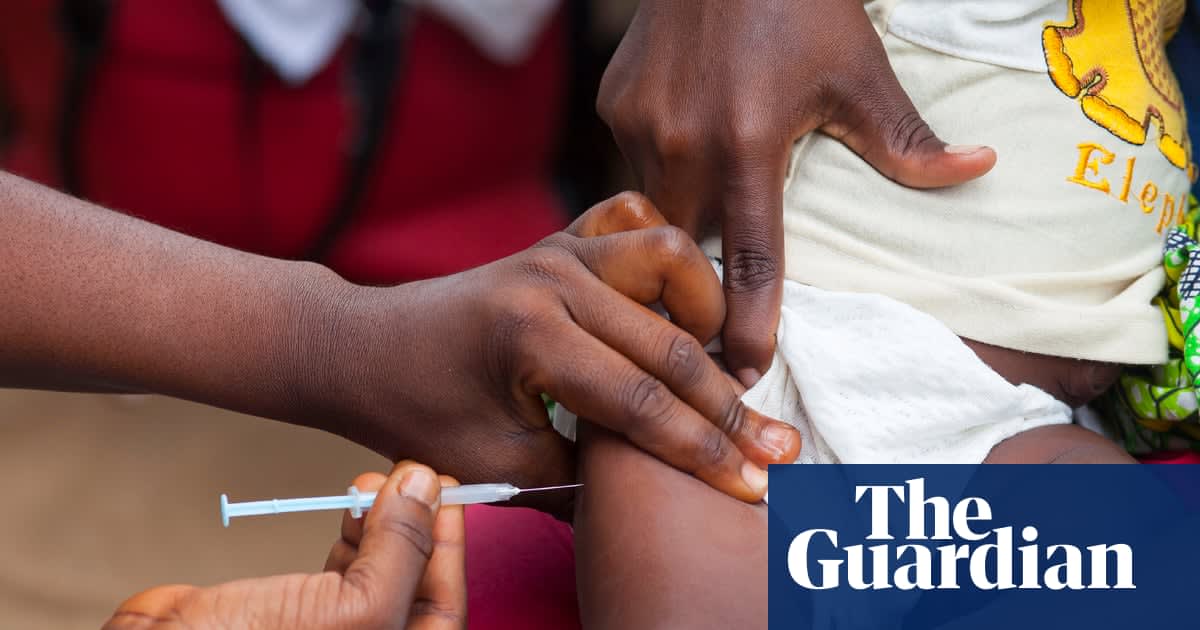
A controversial vaccine trial in Guinea-Bissau, supported by HHS Secretary Robert F. Kennedy Jr., faces intense backlash for its plan to withhold hepatitis B vaccines from newborns. Despite international ethical concerns, the CDC has reportedly earmarked $1.6 million to fund the study.
The Ethics of Withholding Essential Vaccines
A deeply contentious clinical research trial in Guinea-Bissau has received approval to proceed, sparking a firestorm of international condemnation. The study is designed to withhold the hepatitis B vaccine from a cohort of newborns, a methodology that medical experts argue places vulnerable infants at an unacceptable risk of lifelong infection. Hepatitis B is a serious viral disease that, if contracted at birth, carries a high probability of progressing into chronic liver disease, cirrhosis, and potentially fatal liver cancer.
The Role of HHS Leadership
The trial has become a focal point of the current federal health agenda under Robert F. Kennedy Jr., the secretary of the US Department of Health and Human Services (HHS). Kennedy, a long-standing critic of established immunization protocols, has publicly championed the researchers behind this study. During a recent anti-vaccine conference, he highlighted this research as a cornerstone of the Trump administration’s broader approach to public health, which seeks to re-evaluate and potentially diminish the scope of standardized childhood vaccination schedules in the United States.
Financial Backing and Institutional Controversy
Compounding the ethical concerns is the reported involvement of the Centers for Disease Control and Prevention (CDC). Despite the trial being suspended in January due to widespread outcry regarding its design, internal reports indicate that the CDC director's office directed its budget office to allocate $1.6 million for the study as recently as late September. This funding was reportedly diverted from existing global health security programs, which are traditionally tasked with combating infectious disease outbreaks and strengthening international health infrastructure.
Medical Community Backlash
The medical community has reacted with significant alarm. Experts like Dr. Paul Offit have pointed out that the research appears to be an ideological vehicle intended to justify the cessation of the hepatitis B birth dose within the United States. By testing the premise that birth doses are unnecessary—or even harmful—in a high-risk environment like Guinea-Bissau, proponents of the trial aim to challenge the foundational consensus of global pediatric health standards.
Broader Public Health Implications
The implications of this trial extend far beyond Guinea-Bissau. If a major public health agency like the CDC proceeds with funding a study that deliberately withholds a life-saving intervention from infants, it marks a significant departure from established bioethical norms. This shift risks undermining public trust in vaccine safety research and could lead to a decline in vaccination uptake globally, potentially reversing decades of progress in the prevention of vaccine-preventable diseases.
Future Trends and Ethical Precedents
As the situation develops, the scientific community remains poised to monitor whether this $1.6 million allocation will be finalized or if internal and external pressure will force a permanent cancellation. The trial represents a critical intersection of political ideology and clinical research, setting a precedent that will likely be debated for years. The outcome of this specific study may well determine the future trajectory of international collaborations involving US health agencies and the rigor with which ethical standards are applied to global clinical trials.