The Surprising Pockmarks On Cooper's Earnings That Caused Its Stock To Dive
Source Entity
Yahoo Finance
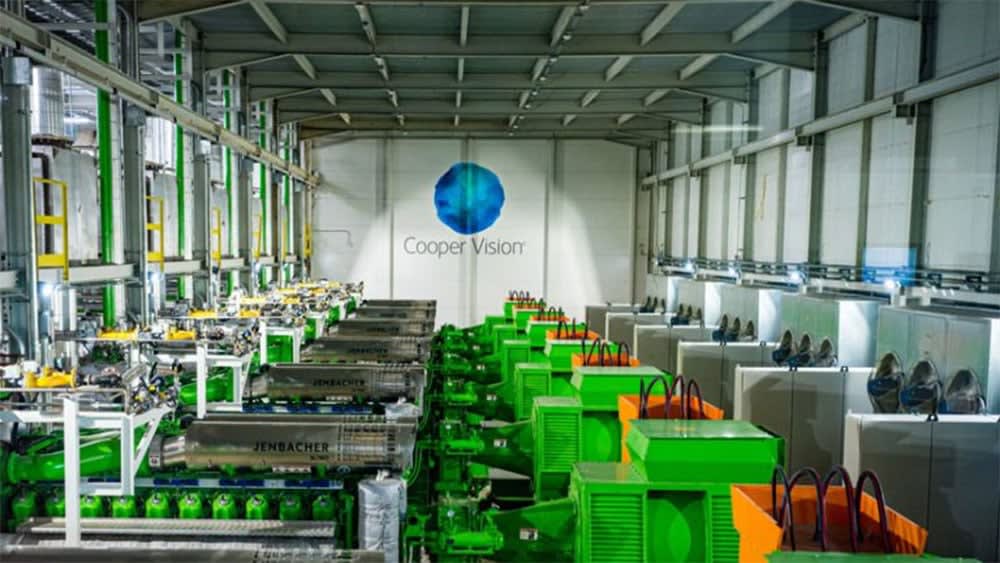
Cooper Companies stock fell following a fiscal third-quarter earnings miss driven by unexpected destocking in its CooperVision segment. The company also decided against divesting its CooperSurgical business, further influencing investor sentiment.
Market Reaction to Cooper Companies Q3 Performance
Investors reacted sharply to Cooper Companies' (COO) latest fiscal third-quarter results, triggering a significant sell-off in the company’s stock price. The primary driver of this market correction was a failure to meet Wall Street’s consensus revenue expectations, which subsequently forced the medical technology firm to issue a downward revision of its financial guidance. This volatility underscores the sensitivity of high-growth medtech stocks to quarterly execution and the broader pressures facing the healthcare supply chain.
The Impact of CooperVision Destocking
At the heart of the earnings miss was the CooperVision segment, which specializes in contact lens manufacturing. According to analyst Steven Lichtman of William Blair, the segment underperformed against internal and market forecasts by 4.5%. The root cause identified for this shortfall was widespread destocking. In the context of medical device distribution, destocking occurs when retailers or distributors reduce their inventory levels, often in anticipation of slowing demand or as a correction to previous over-ordering patterns. This creates a temporary but painful gap in revenue that reflects shifting purchasing behaviors rather than a lack of product demand from end-users.
Strategic Decisions Regarding CooperSurgical
Compounding the negative investor sentiment was the company’s definitive decision to retain its CooperSurgical business unit. Speculation regarding a potential divestiture of this segment had previously circulated within the investment community, with some stakeholders viewing a sale as a way to unlock shareholder value or streamline the company’s focus. By opting against such a move, Cooper Companies has signaled a long-term commitment to its current portfolio structure, a choice that investors clearly punished in the immediate aftermath of the announcement.
Broader Implications for the Medtech Sector
This event highlights the cyclical nature of the medical device industry, where inventory management by third-party distributors can have an outsized impact on quarterly financials. While the underlying demand for vision correction and surgical products remains robust, the logistical reality of the supply chain continues to present significant risks to short-term stock performance. Companies that rely on broad distribution networks are increasingly susceptible to these 'pockmarks' in their earnings reports, as inventory cycles become more unpredictable in a post-pandemic economic environment.
Future Outlook and Analyst Perspective
Moving forward, market analysts will be closely monitoring whether the destocking issue within the CooperVision segment is a transient phenomenon or a sign of a more sustained slowdown in the contact lens market. The guidance cut suggests that management is adopting a more conservative stance for the remainder of the fiscal year, attempting to align investor expectations with current realities. For Cooper Companies, the path to recovery will likely require demonstrating that the inventory correction has stabilized and that the core business remains resilient despite the recent headwinds.