Walmart’s advertising empire is booming. Here’s what it could target next.
Source Entity
Bill Peters
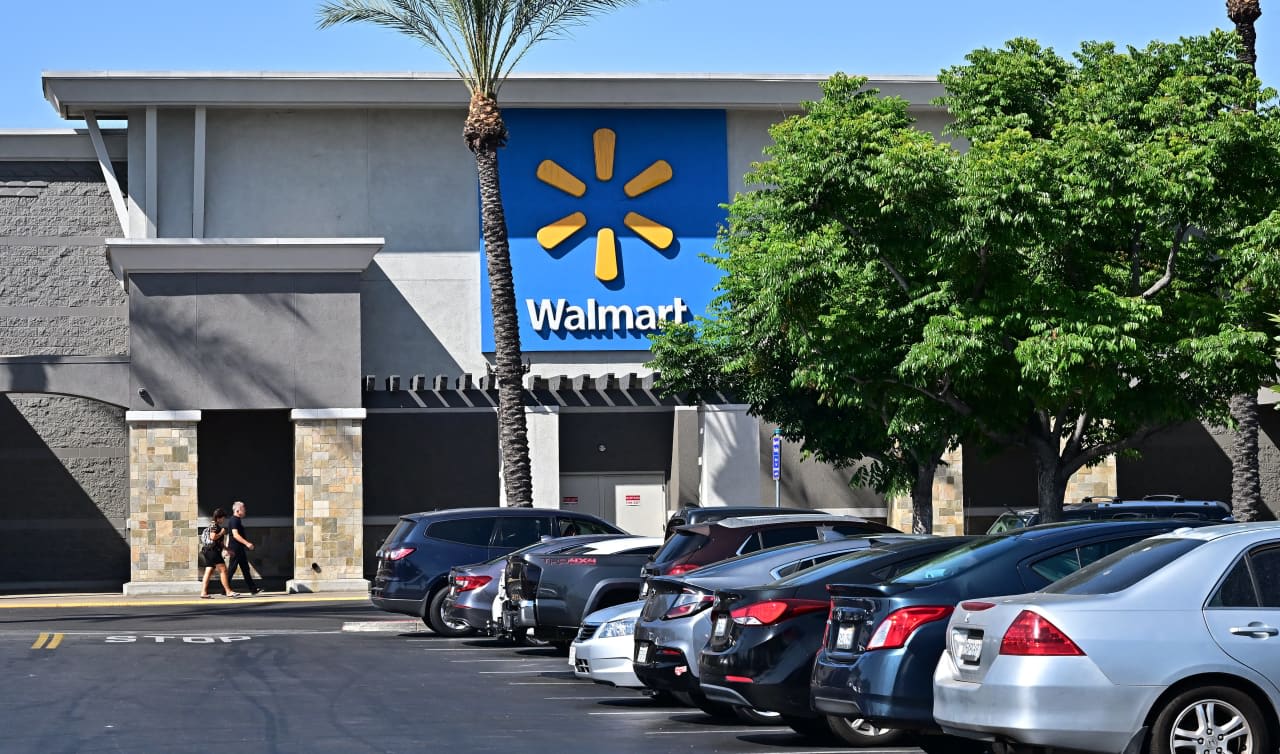
Walmart's advertising division is experiencing significant growth, though its integration with Vizio has yielded fewer streaming opportunities than initially projected. The retail giant continues to refine its strategy to leverage its massive consumer data for targeted advertising.
The Evolution of Walmart’s Retail Media Strategy
Walmart has successfully transformed itself from a traditional brick-and-mortar retailer into a formidable advertising powerhouse. By leveraging its vast repository of first-party consumer purchasing data, the company has created a high-margin revenue stream that rivals established digital advertising giants. This shift represents a broader industry trend where retailers monetize their customer insights to offer brands precise, closed-loop advertising solutions that track the customer journey from digital impression to final sale.
The Vizio Acquisition and Streaming Ambitions
The strategic acquisition of Vizio was intended to be a cornerstone of Walmart’s expansion into the streaming television space. By integrating Vizio’s SmartCast operating system, Walmart aimed to gain a direct foothold in living rooms, allowing for advanced targeted advertising and enhanced viewer data collection. However, current assessments indicate that the synergy between the two entities has encountered friction, yielding fewer tangible opportunities in the streaming sector than analysts and stakeholders initially anticipated when the deal was first proposed.
Navigating the Streaming Landscape
The streaming market is notoriously saturated, dominated by established players with deep content libraries and refined ad-tech stacks. For Walmart, the challenge lies in translating its retail dominance into streaming dominance. While the Vizio hardware provides a distribution channel, the lack of proprietary high-value content limits the company’s ability to compete directly with platforms like Netflix or Amazon Prime Video. Consequently, Walmart must now recalibrate its expectations, focusing on how to extract value from its existing hardware footprint without overextending into content production.
Future Trends in Retail Media
Looking ahead, Walmart’s advertising strategy is likely to pivot toward deeper integration across its omnichannel ecosystem. Rather than relying solely on streaming, the company will likely prioritize 'retail media networks' that connect in-store digital signage, mobile app interactions, and online search results. This holistic approach ensures that advertisers can reach consumers at multiple touchpoints, mitigating the reliance on any single hardware-based streaming strategy that may not be performing as robustly as expected.
Conclusion: Assessing the Path Forward
Ultimately, Walmart’s advertising empire remains a critical engine for its future growth, despite the tempered expectations regarding its streaming ambitions. The company must balance its aggressive expansion with a realistic assessment of its core competencies. By focusing on data-driven retail advertising rather than trying to force a streaming strategy that lacks the necessary content foundation, Walmart is well-positioned to maintain its competitive edge in the evolving digital commerce landscape.
Verification Required?