Let’s work to get back to 1.5° C target: COP31 draft agreement
Source Entity
Amitabh Sinha
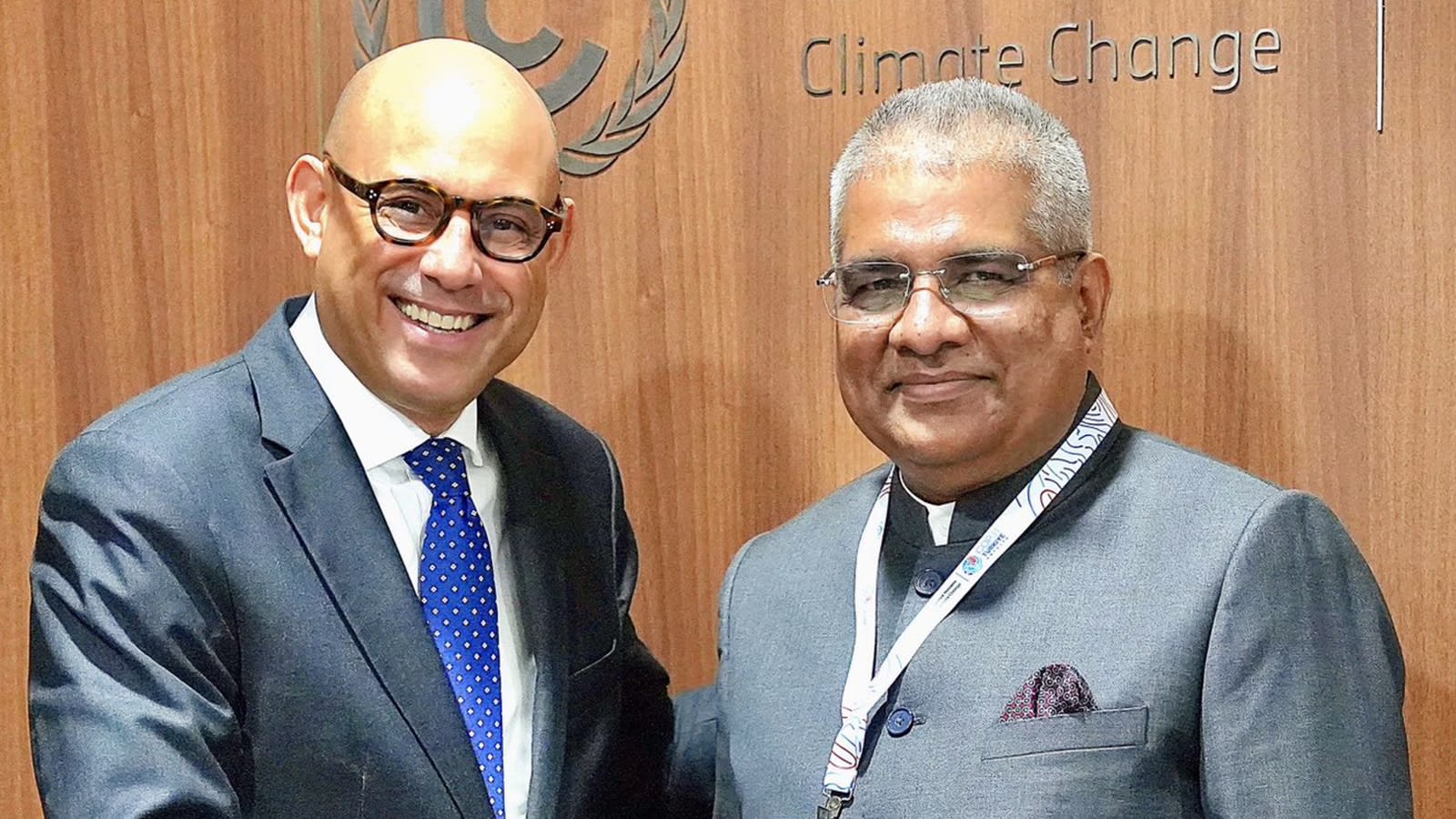
At the COP31 climate conference in Antalya, Turkey and Australia released a draft agreement addressing the breach of the 1.5°C global warming target. The document urges nations to minimize the duration of temperature overshoot and strive to return to the 1.5°C threshold within this century.
Addressing the Climate Threshold: The COP31 Antalya Draft
At the COP31 climate summit currently underway in Antalya, Turkey, host nations Turkey and Australia have taken a significant step by releasing an 18-page initial draft of a cover decision. This document marks a pivotal moment in international climate diplomacy, as it formally acknowledges the scientific consensus that the ambitious 1.5°C warming target—a cornerstone of the Paris Agreement—is currently beyond reach. By centering the conversation on this "overshoot," the draft shifts the global narrative from prevention to mitigation and recovery.
The Reality of the Overshoot
The decision by the host countries to explicitly address the 1.5°C breach is an exercise in transparency that reflects the gravity of recent scientific assessments. For years, the 1.5°C target served as a vital guardrail against the most catastrophic impacts of climate change. The acknowledgement that this limit has been surpassed is not a signal of defeat, but rather a call to recalibrate global climate strategy. The document urges nations to focus on the "magnitude and duration" of this overshoot, emphasizing that the severity of climate impacts is directly correlated to how far and for how long temperatures remain above the target.
Strategic Shifts in Climate Policy
The draft agreement serves as a rallying point for international cooperation, demanding that every signatory nation intensify their decarbonization efforts. By calling for a return to the 1.5°C threshold "as early as possible within this century," the proposal creates a new, more urgent timeline for global climate action. This shift suggests that future international policy will be dominated by "negative emission" technologies, large-scale carbon sequestration, and aggressive energy transitions aimed at cooling the planet after the peak of the overshoot.
The Role of International Collaboration
Hosting the summit in Antalya, Turkey and Australia have positioned themselves as the architects of this difficult new phase of climate negotiations. Their collaborative effort in circulating this draft underscores the necessity of a unified global front. Because the overshoot is a systemic crisis that transcends national borders, the success of these negotiations hinges on the ability of developed and developing nations to align their domestic policies with the collective goal of returning to the 1.5°C pathway.
Future Trends and Challenges
Looking ahead, the 18-page draft is expected to undergo rigorous scrutiny and numerous amendments as the conference proceeds. The primary challenge will be ensuring that the urgency expressed in the text translates into tangible, enforceable national commitments. If the final agreement maintains this focus on a return to 1.5°C, it will likely drive increased investment in renewable energy infrastructure and force a global re-evaluation of industrial emissions standards. Ultimately, the COP31 outcome will define the trajectory for climate policy for the remainder of the century, setting the stage for a world that must now learn to manage the risks of a warming planet while working toward its restoration.