Councils to get more powers to stop vape and betting shops, PM announces
Source Entity
BBC News
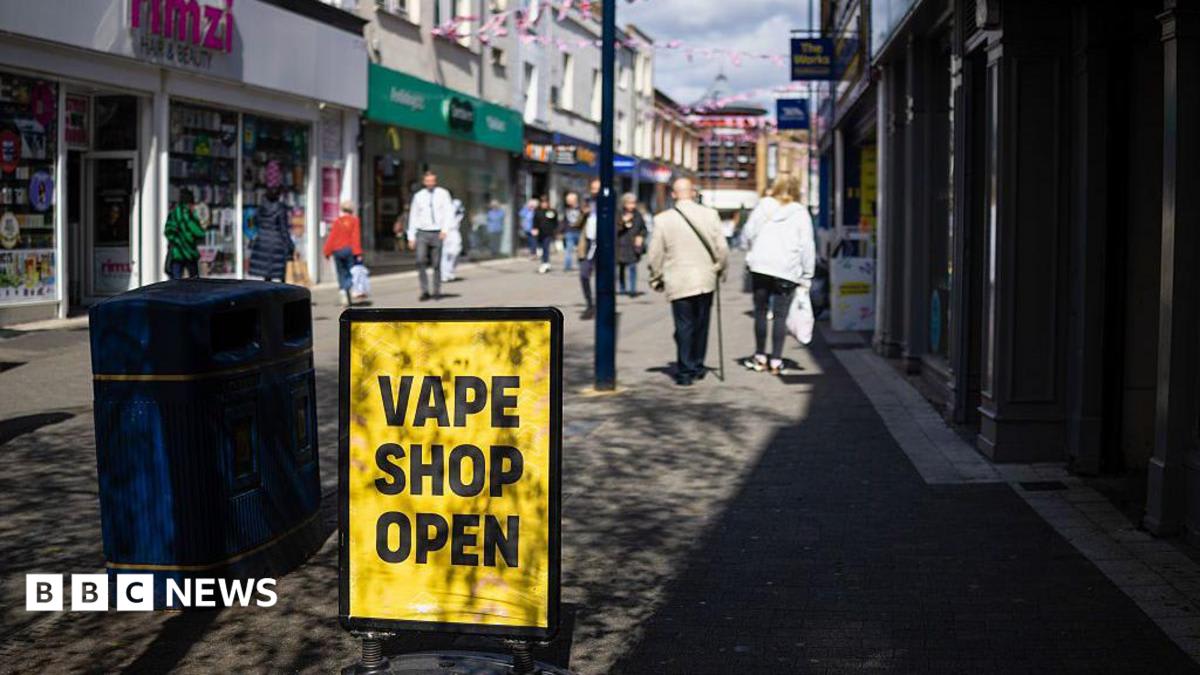
Prime Minister Andy Burnham has announced new powers for local councils to restrict the opening of vape and betting shops to combat high street decline. These measures aim to revitalize town centers, though critics argue they may increase vacancy rates without broader tax reform.
Revitalizing the High Street: A New Planning Paradigm
Prime Minister Andy Burnham has unveiled a significant shift in urban planning policy, aimed at reversing the long-term deterioration of town centers across the country. By granting local councils enhanced authority to restrict the proliferation of vape and betting shops, the government seeks to curb the "hollowing out" of community hubs. This policy acknowledges that the high street has evolved into an unrecognizable landscape for many, necessitating direct intervention to restore local character and economic viability.
The Impact of Unregulated Growth
The necessity for this intervention stems from a visible decline in the traditional retail environment. For decades, town centers have struggled to maintain their relevance against the rise of e-commerce and changing consumer habits. This vacuum has been increasingly filled by a saturation of betting shops and vape retailers. While these businesses are legitimate in isolation, their clustering often contributes to a sense of urban decay, discouraging the diverse foot traffic necessary for a healthy, mixed-use local economy.
Addressing Criminal Activity and Public Safety
Beyond aesthetics and economic variety, the government’s move is underpinned by serious concerns regarding public safety. Recent investigations have exposed a troubling intersection between high street shops and organized crime. Reports indicate that some premises are being used as fronts for the sale of illegal cigarettes and vapes, or even illicit substances like cannabis and cocaine. Furthermore, these locations have been linked to illegal employment practices and money laundering, necessitating a more rigorous planning permission framework to ensure that businesses operating in town centers are held to higher standards of transparency.
Political Debate and Economic Concerns
The proposed legislation has not been met with universal approval. Opposition parties, including the Conservatives and Reform, have raised valid concerns regarding the potential for unintended consequences. Critics argue that simply restricting specific types of businesses could lead to an increase in empty storefronts, particularly if the government fails to provide accompanying tax relief for legitimate small businesses. This highlights the tension between the desire for regulatory control and the need for a supportive environment for entrepreneurs.
Future Trends and Urban Planning
Looking forward, the success of these measures will depend on the ability of local councils to balance restriction with proactive development. If councils are empowered to curate their high streets effectively, we may see a transition toward more community-centric spaces that prioritize services, leisure, and independent retail. However, the government must ensure that these planning powers are matched by broader fiscal policies that address the underlying tax burdens on small businesses to prevent the very decline they seek to remedy.
Conclusion
The Prime Minister’s announcement marks a pivotal attempt to reclaim the identity of the nation's town centers. By addressing the dual challenges of urban decay and criminal encroachment, the government is setting a new course for local governance. Whether this leads to a vibrant renaissance or a period of increased vacancy will depend on how effectively these new powers are implemented in conjunction with sustainable economic incentives.