Count Binface receives over a quarter of votes in Clacton by-election
Source Entity
Hacker News
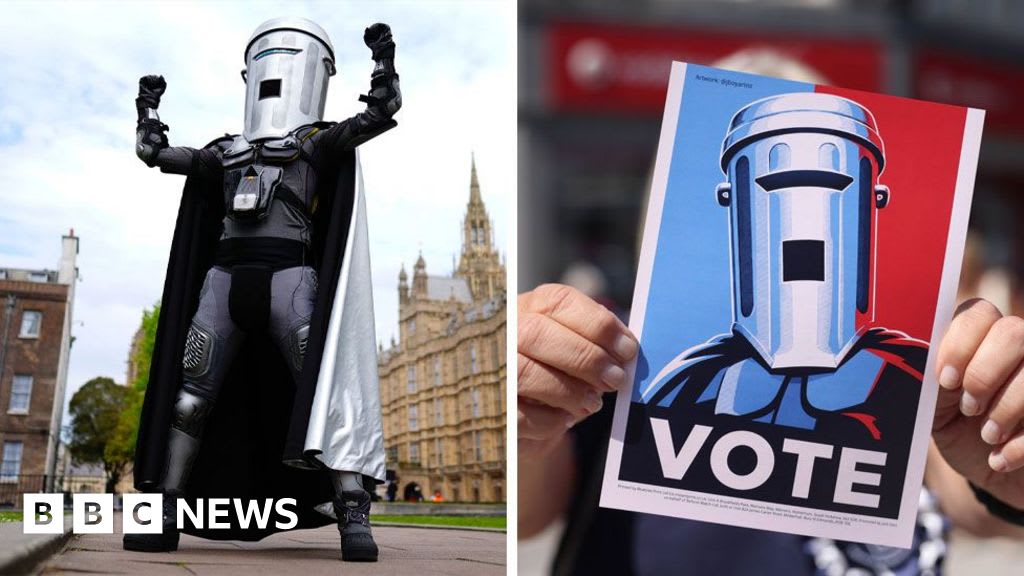
Satirical candidate Count Binface secured a notable portion of the vote in the Clacton by-election. This performance continues his long-standing tradition of using eccentric personas to challenge British political figures.
The Rise of Satirical Protest Voting in British Politics
The recent performance of the satirical candidate Count Binface in the Clacton by-election serves as a fascinating case study in the evolution of protest voting within the United Kingdom. By securing over a quarter of the votes in his respective contest, Binface has demonstrated that a segment of the electorate is increasingly willing to utilize unconventional candidates as a vehicle for expressing dissatisfaction with the traditional political establishment. This phenomenon is not merely an act of humor but a calculated symbolic gesture that forces mainstream parties to acknowledge the disenfranchisement felt by various voter demographics.
Historical Context of the 'Bin' Persona
While the character of Count Binface has become a staple of modern British by-elections, his origins are deeply rooted in a lineage of performance art in politics. The individual behind the persona first gained notoriety in 2017 when he challenged then-Prime Minister Theresa May in the Maidenhead constituency. At that time, the candidate operated under the moniker 'Lord Buckethead,' a character derived from a 1984 Star Wars parody film. This transition from a copyright-heavy cinematic reference to the current 'Count Binface' identity reflects a strategic evolution in how satire is deployed to navigate electoral regulations while maintaining public recognition.
The Mechanics of Protest Candidacy
Protest candidates like Count Binface occupy a unique space in the British electoral system. By operating on a platform that often blends absurdity with biting social commentary, these figures provide an outlet for voters who feel that major political parties fail to represent their grievances. The success in Clacton highlights that even in highly competitive political environments, the presence of a 'joke' candidate does not necessarily diminish the seriousness of the event; rather, it highlights the perceived distance between the voting public and the governing elite.
Implications for Mainstream Parties
When a candidate with a bin on his head captures a significant percentage of the vote, it serves as a wake-up call for mainstream political organizations. It suggests that the electorate is becoming less susceptible to traditional campaigning methods and is looking for authenticity—or at least, a rejection of the status quo. The ability of Count Binface to maintain relevance across multiple election cycles indicates a degree of durability in the 'satire-as-protest' model that political strategists should monitor closely.
Future Trends in Political Expression
The future of electoral participation may see an increase in these types of performative protest candidacies. As social media continues to amplify the reach of eccentric campaigns, the barrier to entry for non-traditional candidates is effectively lowered. Moving forward, observers should expect to see more candidates who leverage irony and spectacle to disrupt the conventional narrative of political discourse. Whether this trend ultimately leads to structural reforms or simply serves as a venting mechanism for the public remains a subject of intense debate among political analysts.