Trump Orders Navy To Return To Older System Of Launching Jets Off Aircraft Carriers
Source Entity
NDTV News Search Records Found 1000
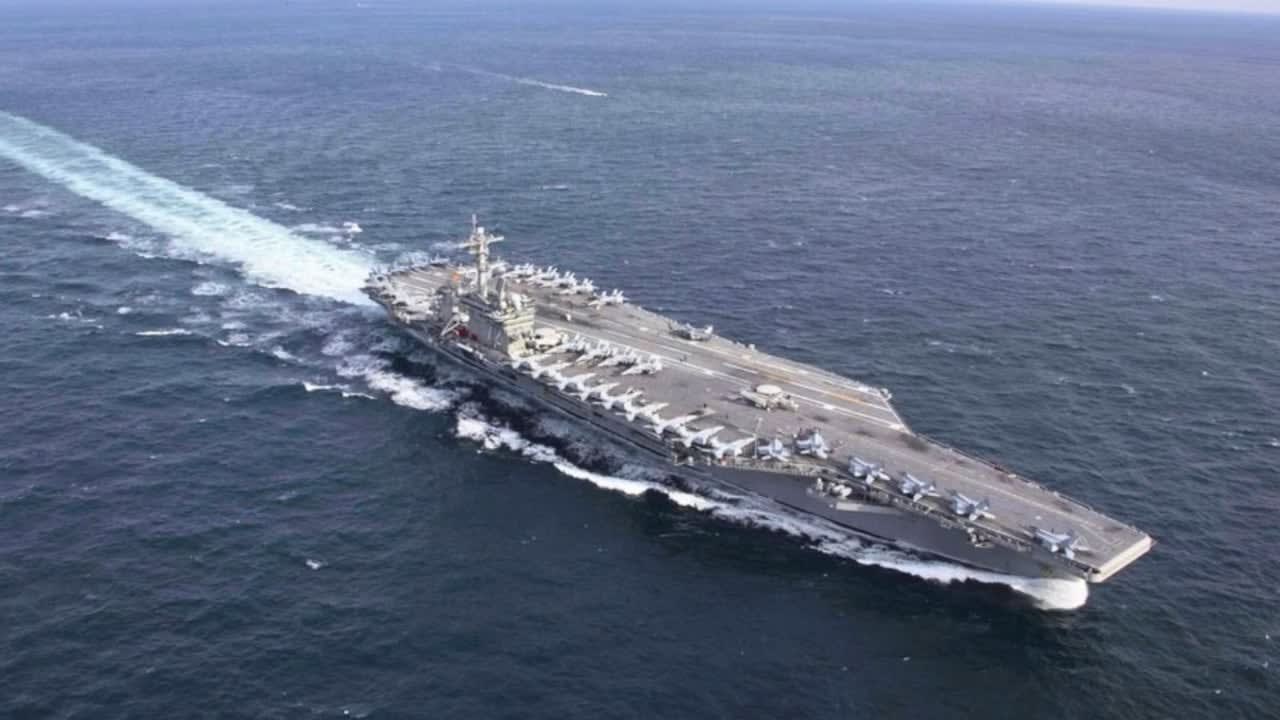
President Trump has directed the U.S. Navy to revert to traditional steam-powered catapults for aircraft carriers, ending the reliance on the newer electromagnetic launch systems. This decision follows years of public criticism from Trump regarding the reliability of the advanced technology.
The Shift in Naval Aviation Strategy
President Donald Trump has officially ordered the U.S. Navy to move away from the modern Electromagnetic Aircraft Launch System (EMALS) in favor of the traditional steam-powered catapult systems for future aircraft carriers. This directive marks a significant departure from the technological trajectory the Navy has pursued over the last decade, reflecting a direct intervention by the executive branch into military procurement and engineering specifications.
The Controversy Over EMALS
For years, the EMALS system has been a focal point of criticism from President Trump, who frequently questioned the reliability and cost-effectiveness of this magnetically powered technology. While the Navy initially championed EMALS for its ability to launch a wider variety of aircraft and its reduced maintenance footprint compared to steam, the President’s skepticism has consistently centered on the perceived technological overreach and the complexities associated with integrating such a sophisticated system into a maritime environment.
Historical Context of Naval Launch Systems
Steam catapults have been the workhorse of the U.S. Navy’s carrier fleet since the mid-20th century. These systems rely on high-pressure steam generated by the ship's nuclear reactors to propel aircraft off the deck. The transition to EMALS was intended to modernize the fleet, allowing for more precise control over launch speeds and reduced stress on airframes. However, the President’s push to return to the older system suggests a preference for proven, mechanical reliability over the potential efficiency gains offered by electromagnetic innovation.
Strategic and Operational Implications
Reverting to steam catapults presents a massive logistical challenge for future shipbuilding programs, most notably for the Gerald R. Ford-class carriers. Engineering a return to steam-powered systems requires a significant redesign of ship architecture, as steam systems occupy different space and weight profiles than electromagnetic hardware. This policy shift forces the Navy to reconcile its long-term modernization goals with the immediate mandate to revert to legacy technology.
Budgetary and Procurement Impacts
Beyond the technical engineering concerns, this order carries profound financial implications. The Navy has already invested billions of dollars into the research, development, and integration of EMALS. Abandoning this technology mid-cycle could result in significant sunk costs and require new budgetary allocations to re-engineer launch systems, potentially delaying the deployment of new carrier assets.
Future Outlook for Naval Aviation
As the Navy navigates this transition, the debate between innovation and reliability will likely remain at the forefront of defense policy discussions. While the President’s directive prioritizes the comfort of familiar, battle-tested technology, the long-term impact on the fleet’s capabilities remains a subject of intense scrutiny among naval architects and military strategists. The future of American carrier power will now be defined by this pivot back to the mechanical foundations of the past.
Verification Required?