In Poll Postmortem, CPM's Biggest Admission Is About Hindutva
Source Entity
NDTV News Search Records Found 1000
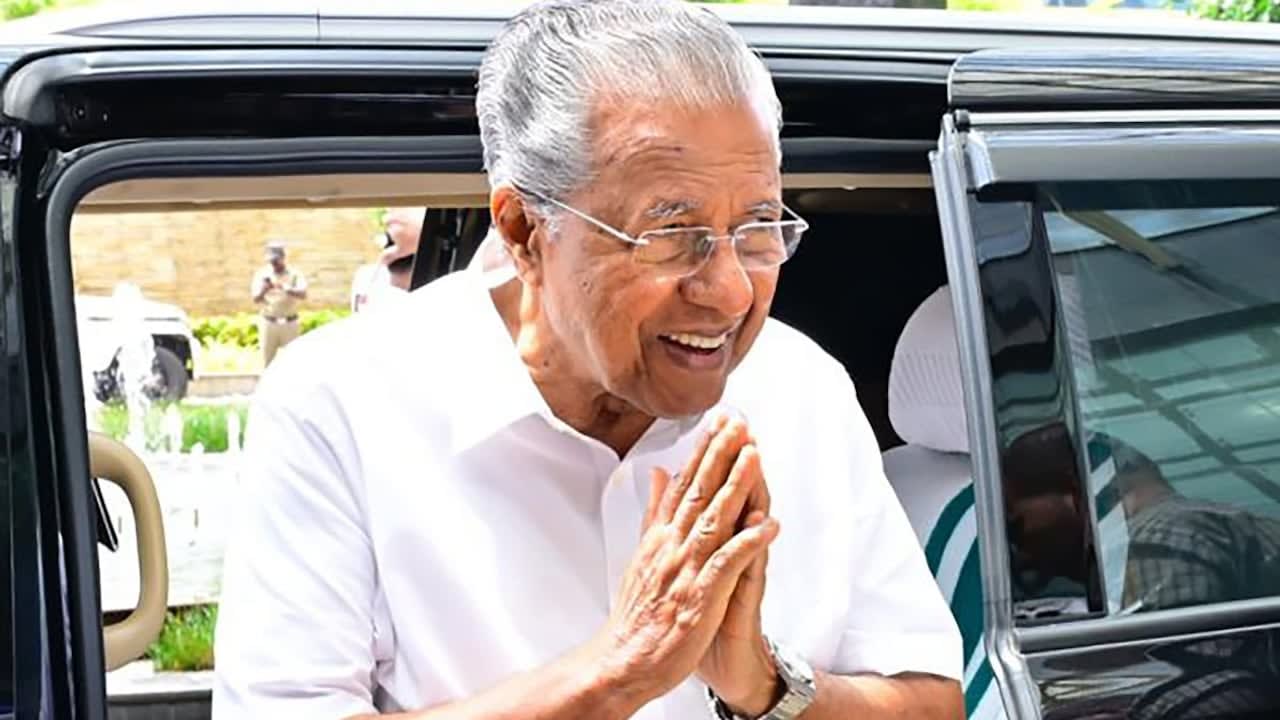
The CPI(M) Central Committee’s post-election review identifies the personalization of its 2026 campaign around Pinarayi Vijayan as a key factor in the LDF's electoral setback. The party further admitted it currently lacks the strategic capacity to effectively combat the combined influence of Hindutva and corporate propaganda.
Strategic Missteps: Analyzing the CPI(M) Electoral Review
The Communist Party of India (Marxist) [CPI(M)] has released a candid Central Committee review concerning the 2026 Kerala Assembly Election results. The document serves as a sobering assessment of the Left Democratic Front’s (LDF) performance, highlighting systemic failures in campaign strategy and ideological positioning that ultimately resulted in a loss of political initiative.
The Pitfalls of 'Individualisation'
A central focus of the review is the 'personalisation' of the campaign around former Chief Minister Pinarayi Vijayan. By centering the entire electoral narrative on one individual, the party inadvertently weakened its collective ideological appeal. This strategy, intended to capitalize on leadership, instead fostered a perception that the party had abandoned its grassroots, consultative nature. Consequently, this shift made the campaign vulnerable to targeted vilification efforts, as the opposition found a singular focal point for their attacks rather than having to contend with a broader, diffuse political platform.
Failure to Expose the Opposition
The review further notes that the focus on one individual rendered the party ineffective in its primary objective: exposing the 'reactionary, ruling class bias' of the Congress party and the United Democratic Front (UDF). By tethering the party’s image to a single figure, the CPI(M) lost the ability to frame the election as a contest between competing political and economic systems. This tactical error allowed the UDF to bypass critical debates on policy and governance, effectively neutralizing the Left's ability to contrast their welfare-oriented model against the perceived neoliberal leanings of their rivals.
The Challenge of Hindutva and Corporate Influence
Perhaps the most significant admission in the post-mortem report concerns the party’s struggle against the ideological and financial machinery of the RSS-BJP. The Central Committee explicitly stated that the party is not currently equipped to counter the 'Hindutva-communal-corporate' propaganda effectively. This acknowledgment signals an urgent need for the CPI(M) to recalibrate its communication strategies and organizational reach to address the modern intersection of religious nationalism and corporate interest.
Broader Implications and Future Trajectory
The findings of this report suggest a critical crossroads for the CPI(M) in Kerala. The recognition that their current toolkit is insufficient against contemporary political threats points toward a necessary shift in internal party dynamics. For the Left to regain its electoral dominance, it must move beyond personality-driven campaigns and return to a robust, issue-based discourse that can withstand the sophisticated media and propaganda operations utilized by the BJP and its affiliates. The party’s future relevance will likely depend on its capacity to modernize its messaging without compromising its foundational Marxist principles.
Verification Required?