'They are main culprits': US Senator on bill that imposes up to 100% tariffs on India, China
Source Entity
TOI WORLD DESK
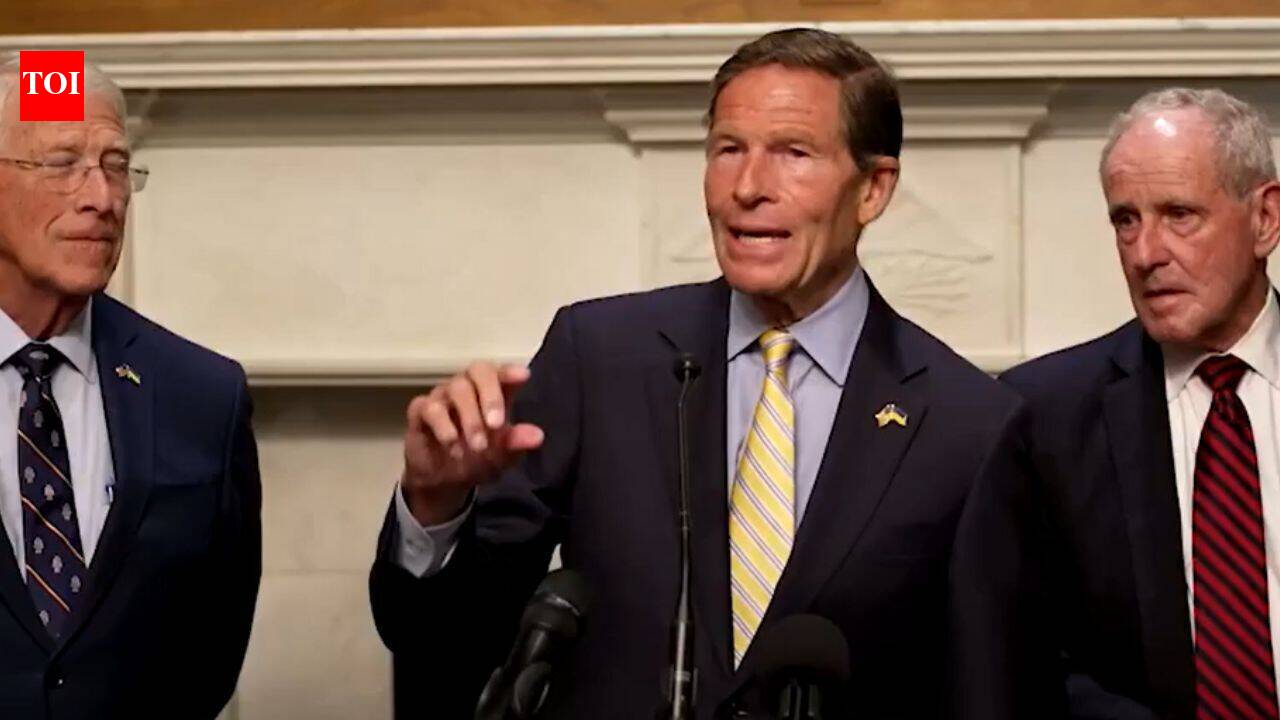
A US Senator has introduced a bill proposing tariffs of up to 100% on imports from India and China, labeling these nations as primary culprits in current economic concerns. This legislative move signals a potential escalation in protectionist trade policies affecting major global markets.
The Shift Toward Aggressive Protectionism
The introduction of a legislative proposal by a US Senator seeking to impose tariffs of up to 100% on imports from India and China marks a significant, albeit controversial, shift in American trade policy. By explicitly labeling these two nations as the "main culprits" behind specific economic grievances, the Senator is framing the bill not merely as a regulatory adjustment, but as a punitive measure designed to rebalance trade flows and protect domestic industries from perceived foreign exploitation.
The Economic Implications for Global Trade
If enacted, tariffs reaching the 100% threshold would represent an unprecedented barrier to entry for goods originating from India and China. Such high levies would fundamentally alter the cost structure for American businesses that rely on these markets for raw materials, intermediate components, and finished consumer goods. The move suggests a pivot away from the globalization trends that have defined the last three decades, favoring a "reshoring" strategy that seeks to insulate the US economy from international supply chain volatility.
Geopolitical Tensions and Strategic Rivalry
This legislative action must be viewed through the lens of increasing geopolitical friction. By grouping India and China—two nations with vastly different political systems and varying degrees of economic integration with the US—under a singular "culprit" banner, the bill signals a broad-spectrum approach to trade enforcement. This creates potential diplomatic hurdles, as it forces the US to navigate its strategic partnership with India while simultaneously addressing systemic trade competition with China.
Historical Context of US Trade Policy
Historically, the US has utilized tariffs as a tool for leverage, most notably during the trade wars of the late 2010s. However, a 100% tariff is a drastic escalation that moves beyond standard protective measures into the realm of economic containment. This mirrors earlier protectionist eras in American history, where the goal was to foster domestic industrial growth at the expense of cheaper international imports, though modern supply chains are far more integrated and complex than in previous centuries.
Future Trends and Market Reaction
Looking ahead, the introduction of this bill is likely to trigger significant market uncertainty. Investors and multinational corporations will be forced to recalibrate their long-term strategies, potentially accelerating the diversification of supply chains to regions not targeted by these proposed tariffs. Furthermore, the bill invites the risk of retaliatory measures from both India and China, which could lead to a broader trade conflict, impacting global economic growth and consumer price stability.
Conclusion
In summary, the proposal for 100% tariffs on India and China reflects a growing political appetite in the US for aggressive economic nationalism. While the bill aims to address perceived trade inequities, its implementation would carry profound risks for global commerce. The legislative path of this bill will serve as a bellwether for how the US intends to balance its domestic economic interests against its interconnected global trade environment in the coming years.