Mohammad Ali Jauhar University in Rampur gets interim relief in demolition issue
Source Entity
India Latest News: Top National Headlines Today & Breaking News | The Hindu
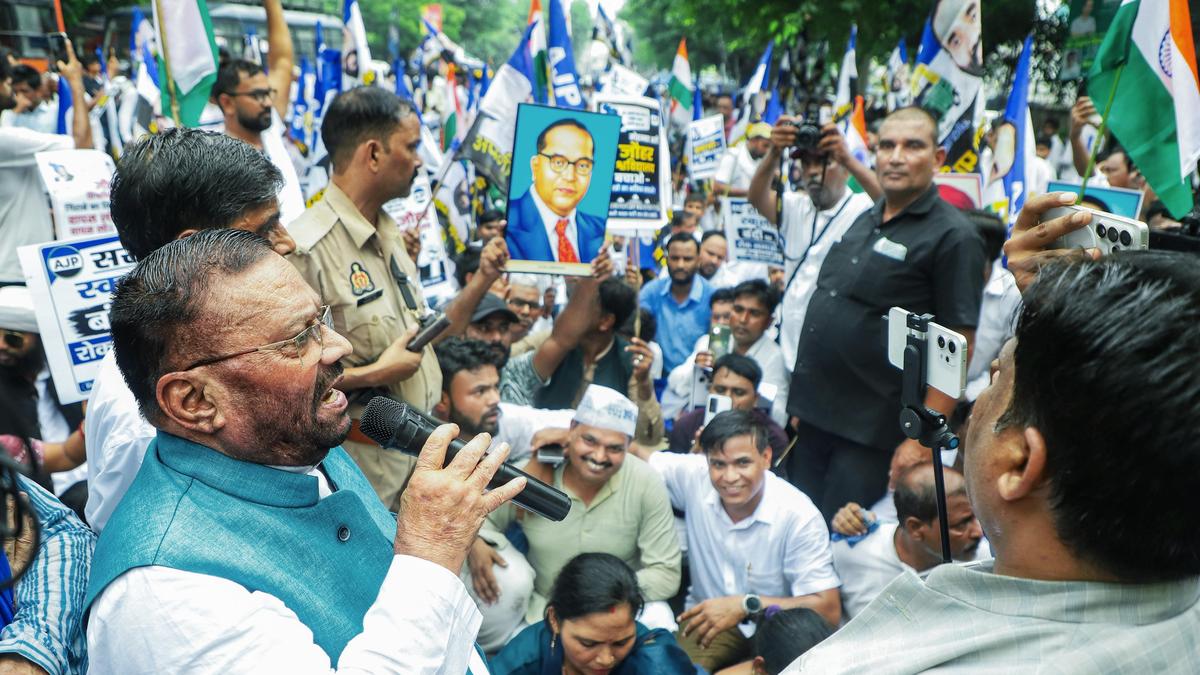
Mohammad Ali Jauhar University is facing a wave of regulatory scrutiny and demolition threats for alleged building irregularities. While the university has received interim relief from a Divisional Commissioner's court, the Allahabad High Court has dismissed petitions filed by unauthorized representatives.
Regulatory Scrutiny and Legal Battles at Jauhar University
Mohammad Ali Jauhar University, an institution deeply linked to SP leader Azam Khan, is currently navigating a complex web of regulatory challenges that threaten its very infrastructure. Over the past month, the university has been the subject of a coordinated series of inquiries from multiple state and central agencies, including the Income Tax Department, the Rampur Development Authority (RDA), the Fire Department, the Public Works Department, and the Jal Nigam. This surge in oversight highlights the growing pressure on the institution regarding alleged structural and administrative irregularities.
The Administrative Siege
The intensity of the crackdown was signaled by the Income Tax Department, which issued a show-cause notice on June 17, followed by a subsequent notice on June 23. The tax authorities took the significant step of cancelling the registration of the Maulana Mohammad Ali Jauhar Trust—the governing body of the university—citing various violations. By ordering the trust to reclassify its status to an "association of persons," the government effectively stripped the institution of its tax-exempt benefits, signaling a major shift in its financial and legal standing.
The Demolition Crisis
Compounding the financial pressure is the looming threat of demolition. On July 15, the Rampur Development Authority (RDA) issued a notice declaring 38 out of the university’s 40 buildings as unauthorized. The RDA claimed these structures were built without the requisite permissions and provided a 15-day ultimatum for the university to remove them. This move represented an existential threat to the campus, as it would effectively dismantle the vast majority of the university's physical footprint.
Judicial Interventions and Procedural Hurdles
The legal landscape surrounding the university has been equally volatile. In a brief respite, the Moradabad Divisional Commissioner’s court granted interim relief on July 27, 2026, staying the demolition until a final hearing can be conducted. This intervention provided the university with a window of opportunity to contest the RDA’s claims in a formal setting.
However, the university's path to legal recourse has been hampered by procedural failures. The Allahabad High Court recently dismissed a petition filed on behalf of the university, citing a lack of maintainability. The court agreed with the Additional Advocate General, Anupam Trivedi, that a businessman acting as a "pairokar" (pleader) had no legal standing to represent the institution. The court emphasized that such petitions must be filed by authorized officials like the Registrar, underscoring the disarray within the university’s administrative response to these legal challenges.
Broader Implications and Future Outlook
The situation at Jauhar University serves as a case study in the intersection of educational administration, political influence, and bureaucratic enforcement. As the institution struggles to stabilize its legal representation and address the technical violations cited by agencies like the Fire Department and Jal Nigam, the future of its campus remains precarious. The reliance on interim relief suggests that the institution is currently in a defensive posture, awaiting long-term judicial resolution to determine whether its infrastructure will be razed or if it can find a path toward regulatory compliance.
Multiple Citing Sources
Verification Required?