In a first, CRPF battalion in anti-Naxal ops diverted to Manipur
Source Entity
PTI
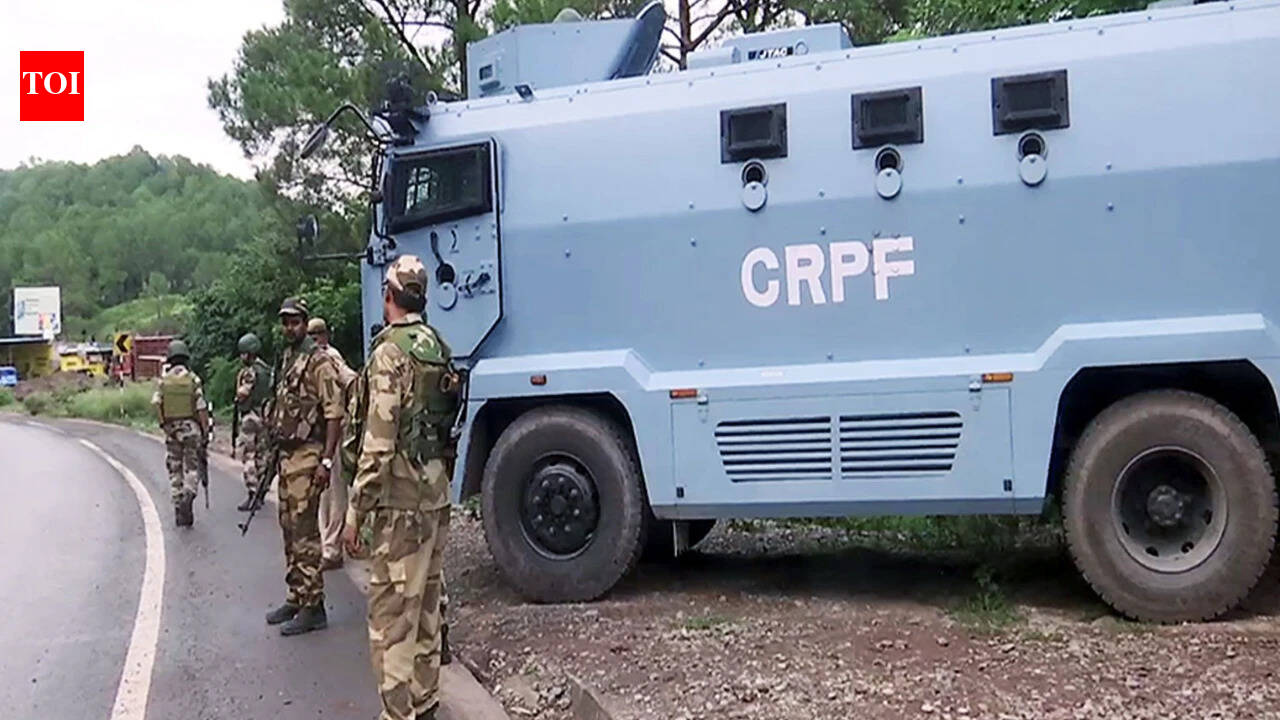
For the first time, a CRPF battalion previously tasked with anti-Naxal operations has been redeployed to Manipur. This strategic shift highlights the critical security challenges currently facing the region.
Strategic Realignment: CRPF Deployment Shift
The decision to redeploy a Central Reserve Police Force (CRPF) battalion from anti-Naxal operations to the volatile region of Manipur marks a significant pivot in India's internal security strategy. By diverting more than 1,000 seasoned personnel from high-stakes counter-insurgency zones, the government acknowledges the escalating urgency of the security situation in the Northeast.
Assessing the Operational Shift
Historically, anti-Naxal operations have demanded specialized training and a continuous presence in India's central 'Red Corridor.' Withdrawing a full battalion suggests that the internal security establishment views the stabilization of Manipur as a higher-order priority. This move is unprecedented, as it marks the first time such a large-scale diversion has been executed from the anti-Naxal theater to address regional unrest in Manipur.
Security Implications of the Deployment
The arrival of 1,000 additional CRPF personnel signifies an attempt to bolster the state's capacity to maintain law and order. By utilizing a battle-hardened unit, the administration aims to leverage the battalion’s experience in difficult terrain and hostile environments. This deployment is expected to provide the necessary tactical edge to curb ongoing disturbances and restore public trust in the state's security apparatus.
Broader Context of Internal Security
India's security grid is often stretched thin by simultaneous challenges in multiple theaters. The need to balance resources between the anti-Naxal front and the ethnic and civil tensions in Manipur reflects the complex logistical and strategic calculations required by the Ministry of Home Affairs. This decision underscores the fluid nature of national security, where assets must be dynamically allocated to hotspots as they emerge.
Future Trends and Outlook
Looking ahead, this deployment may set a precedent for how the Union government manages internal security crises. If successful, this model of redeploying specialized units could become a standard tool for rapid response. However, it also raises questions regarding the sustainability of current resources, as the government must carefully manage the security vacuum left behind in the areas where these personnel were previously stationed.
Conclusion
Ultimately, the redeployment of this CRPF battalion to Manipur is a decisive reaction to the critical nature of the current unrest. By prioritizing the stabilization of the Northeast, the state aims to mitigate long-term instability, though the success of this strategy will depend on the efficacy of these troops in their new environment and the government's ability to maintain security across all affected regions simultaneously.