Sensex, Nifty open lower as Middle East war pushes Brent crude toward $100
Source Entity
Latest News: Todays Latest News Headlines from India & World | Hindustan Times | Hindustan Times
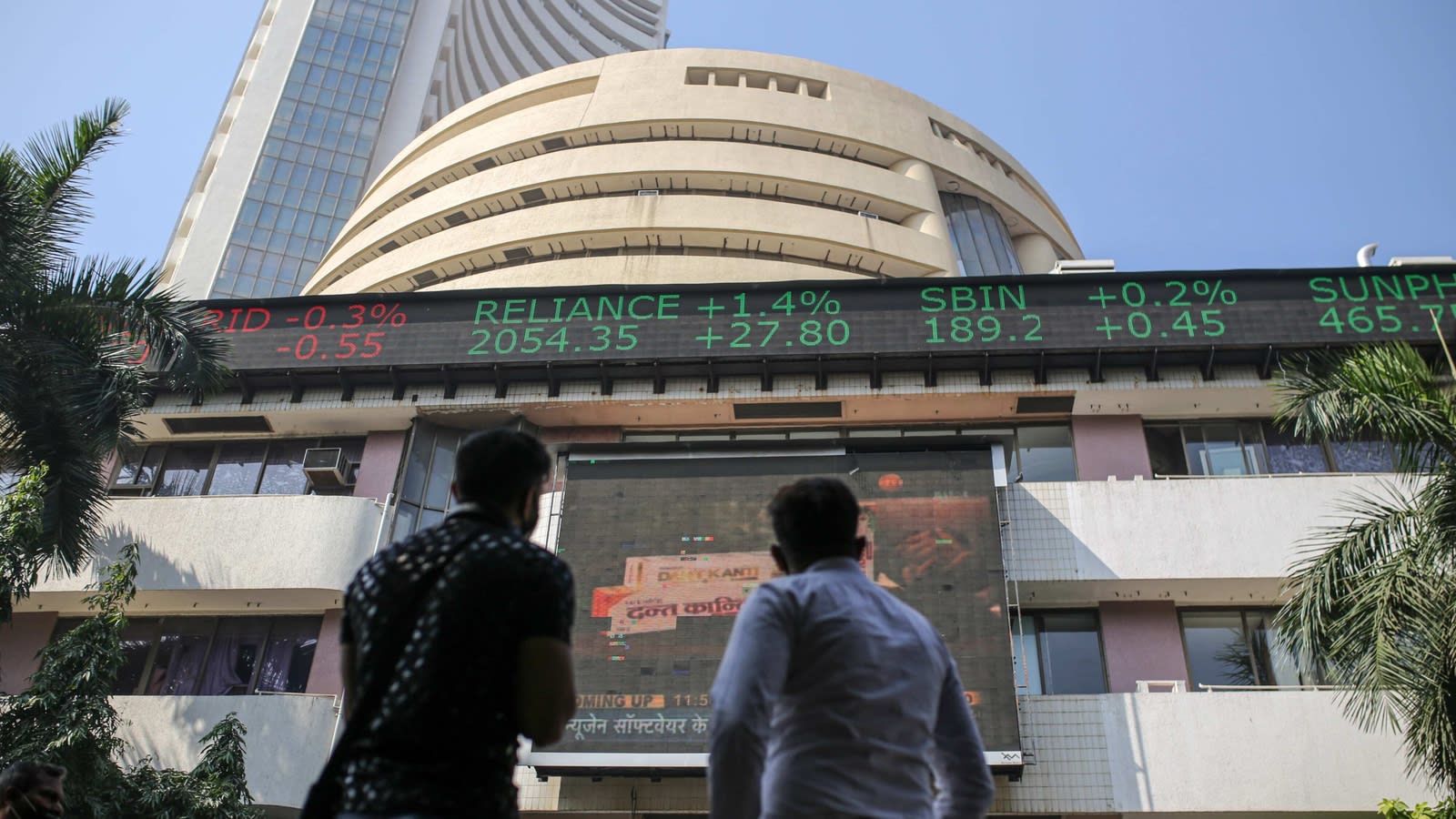
Brent crude is nearing $100 per barrel as escalating military conflict between the U.S. and Iran disrupts Middle East energy supplies. Recent tit-for-tat strikes, including the destruction of five Iranian tankers and missile attacks on a U.S. base in Jordan, have heightened global supply concerns.
The Geopolitical Pressure on Global Oil Markets
The global energy landscape is facing a period of extreme volatility as the longstanding tensions between the United States and Iran reach a critical boiling point. Brent crude has surged to nearly $100 a barrel, a direct consequence of the escalating tit-for-tat military strikes between the two nations. This surge reflects the market's acute sensitivity to any threat against the security of Middle Eastern energy exports, which remain the backbone of global industrial stability.
Escalation and Military Confrontation
The recent spike in prices follows a series of aggressive military engagements. U.S. Central Command (Centcom) confirmed that American forces destroyed five Iranian oil tankers—four in the Gulf of Oman linked to the Revolutionary Guards Corps (IRGC) and one near Kharg Island—following attempted attacks on a U.S. warship. Tehran responded by launching a missile barrage toward a U.S. base in Jordan. While Jordanian air defense systems successfully intercepted the majority of the projectiles, the audacity of the strike underscores the fragility of the current regional security architecture.
Supply Chain Vulnerabilities and the Strait of Hormuz
Central to the market’s anxiety is the physical security of maritime chokepoints. With the Strait of Hormuz effectively shut down due to the conflict, alternative routes for Saudi oil and other regional crude exports have become vital, yet increasingly dangerous. The closure of such a critical artery forces oil tankers into less efficient, more hazardous transit paths, which inevitably drives up insurance premiums and freight costs, further inflating the price of a barrel at the pump.
Historical Context of the Conflict
This current cycle of violence is not an isolated event but rather the culmination of a conflict that has intensified over the past seven months. The hostilities trace back to coordinated attacks by the U.S. and Israel on February 28. Since then, the conflict has evolved from localized skirmishes into a persistent, high-stakes confrontation that threatens to destabilize the entire Persian Gulf region. Each additional round of retaliatory strikes serves as a catalyst for further market apprehension.
Economic Implications and Future Outlook
Analysts, including Daan Struyven, have warned that the current trajectory could see oil prices breach the $120-per-barrel threshold if shipping attacks continue to intensify. Should the conflict persist or escalate further, the global economy faces the dual threat of supply-side inflation and potential energy shortages. The world is watching closely to see if diplomatic channels can be reopened before the market reaches a tipping point that could trigger a broader economic downturn.
Multiple Citing Sources
Verification Required?