Crude Oil Prices Rally as No End in Sight to US-Iran War
Source Entity
Yahoo Finance
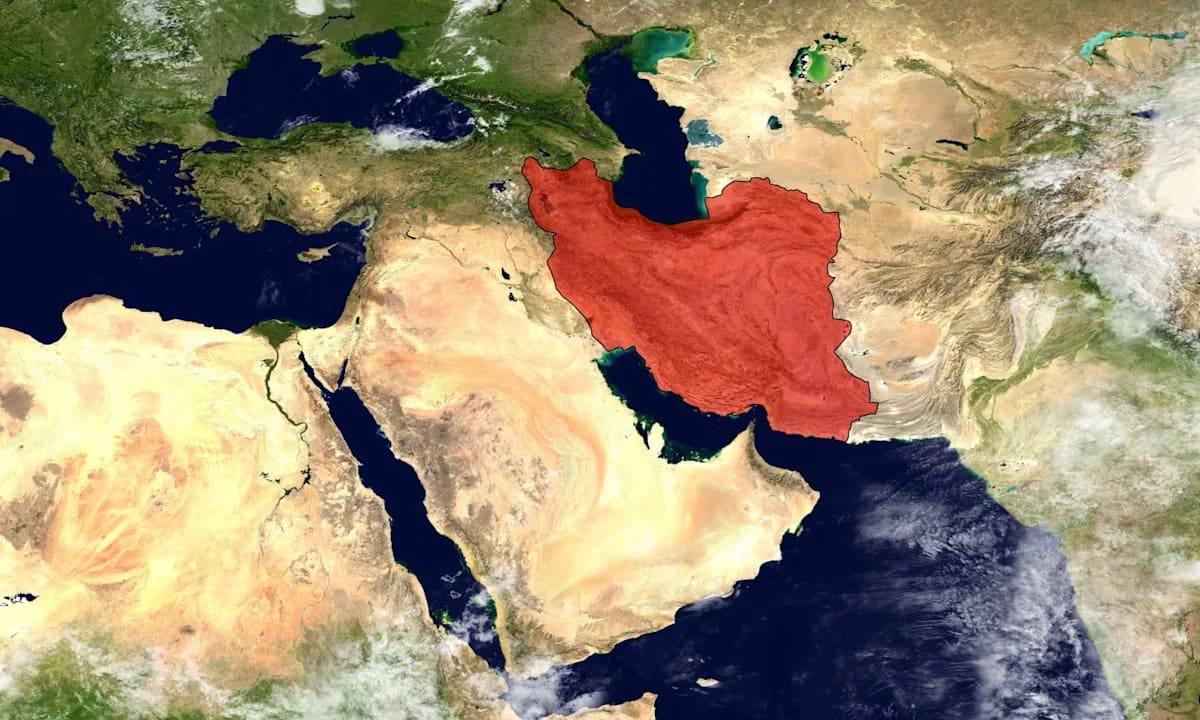
Crude oil prices have reached six-week highs due to escalating US-Iran hostilities and supply disruptions in the Strait of Hormuz. Conversely, natural gas prices are retreating despite hot weather forecasts, as robust domestic storage levels continue to weigh on the market.
Energy Markets React to Geopolitical Instability and Supply Dynamics
The global energy landscape is currently defined by a sharp divergence between the oil and natural gas sectors. While crude oil markets are grappling with the immediate and volatile impact of the escalating US-Iran conflict, natural gas prices are finding themselves tempered by the sobering reality of domestic supply abundance. This bifurcated performance underscores how geopolitical risk premiums often dominate oil pricing, whereas natural gas remains more sensitive to regional inventory data and seasonal demand cycles.
The Geopolitical Premium on Crude Oil
Crude oil prices have surged to six-week highs, driven by a direct escalation in hostilities between the United States and Iran. Recent US military operations, which specifically targeted Iranian radar systems and mine-laying capabilities along the southern coast, have been met with retaliatory drone and missile attacks on US bases. These maneuvers have effectively paralyzed supply security expectations, as markets fear prolonged disruptions to critical energy flows through the Strait of Hormuz, a vital maritime chokepoint for global oil transit.
Currency Impacts and Market Support
Beyond the immediate geopolitical friction, crude oil has found additional technical support from a weakening US dollar. The decline of the dollar index to a 1.5-week low has effectively lowered the cost of dollar-denominated crude for foreign buyers, thereby propping up prices. However, the rally is not entirely one-sided; prices have occasionally retreated from their intraday peaks on reports suggesting that oil tankers are still successfully navigating the Strait of Hormuz, providing a thin layer of reassurance to supply-chain analysts.
Natural Gas: The Weight of Abundance
In contrast to the volatility seen in oil, the natural gas market is currently navigating a period of downward price pressure. Despite initial bullish signals driven by lower-than-expected EIA inventory builds—which rose by only 30 bcf compared to the anticipated 32 bcf—prices ultimately settled lower. The market appears to be prioritizing the reality of abundant domestic supplies over the short-term demand spikes typically associated with extreme weather events.
Weather Forecasts vs. Inventory Realities
While meteorologists from Vaisala have signaled a shift toward hotter temperatures in the central United States through mid-September, this has not been sufficient to sustain a price rally. The anticipation of increased air-conditioning demand from power providers usually serves as a catalyst for price growth; however, the persistent surplus in storage inventories is acting as a significant anchor, preventing a sustained breakout above the levels seen in late July.
Future Trends and Market Outlook
Looking ahead, the trajectory of energy prices will likely remain contingent on two primary variables. For crude oil, the market will remain hyper-sensitive to any further kinetic developments in the Middle East that threaten transit through the Strait of Hormuz. For natural gas, the focus will shift toward how quickly the market can digest current storage levels as the industry transitions out of the peak summer cooling season. Investors should anticipate continued volatility in oil as long as the US-Iran situation remains unresolved, while natural gas may remain range-bound unless inventory data shows a more significant tightening.