This Senate race where data centers are a crucial issue has more spending than any other midterm clash
Source Entity
Victor Reklaitis
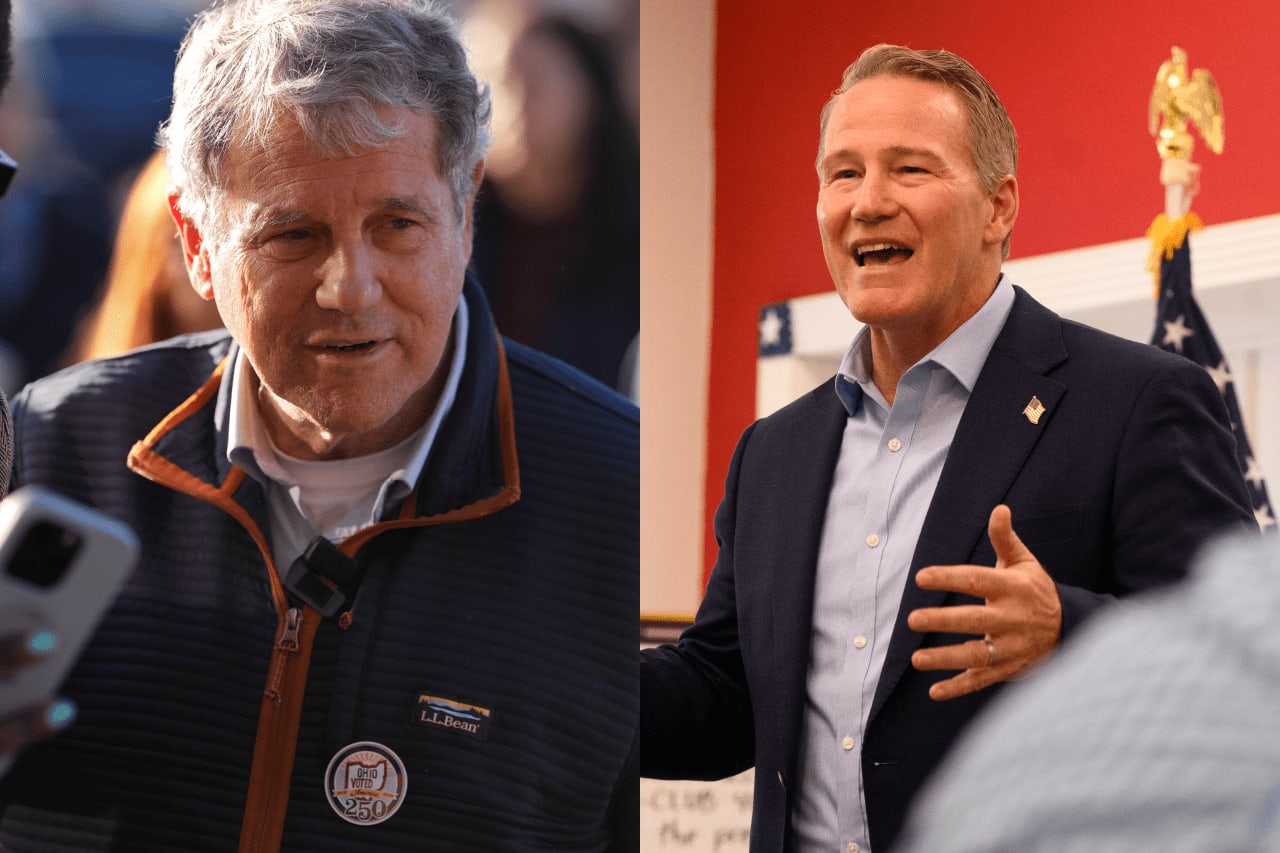
Crypto-aligned PACs, including Defend American Jobs, have funneled over $52 million into the Ohio Senate race to oppose Sherrod Brown. This unprecedented spending marks a significant shift in political influence, focusing on digital asset regulation and data center infrastructure.
The Rise of Crypto-Driven Political Spending
The 2026 midterm election cycle is witnessing an unprecedented influx of capital from digital asset-aligned political action committees (PACs), with the Ohio Senate race serving as the primary theater for this financial escalation. Industry-backed groups, most notably affiliates of the Fairshake PAC, have committed over $52 million to influence the outcome of the contest involving former lawmaker Sherrod Brown. This surge represents a strategic pivot for the cryptocurrency sector, signaling a transition from lobbying efforts to direct, high-stakes electoral intervention.
Strategic Objectives of Defend American Jobs
Recent filings with the Federal Election Commission (FEC) reveal that the group 'Defend American Jobs' has allocated $46.6 million specifically toward media campaigns designed to oppose Brown and bolster the candidacy of Republican incumbent Jon Husted. This spending represents a 50% increase over initial projections, illustrating the sector's aggressive stance. By prioritizing these specific candidates, the PAC aims to reshape the legislative landscape in Congress, likely to foster a regulatory environment more conducive to the growth of blockchain technology and digital finance.
The Intersection of Infrastructure and Policy
The intensity of this spending is not merely about candidate preference but is deeply rooted in policy debates surrounding data centers. These facilities serve as the physical backbone for both artificial intelligence and cryptocurrency mining, making their regulation and energy usage a pivotal issue in the Ohio race. The sheer volume of negative advertising—described by observers as an inescapable presence—underscores how local infrastructure concerns have become nationalized through massive, industry-funded media campaigns.
Broader Implications for Congressional Control
This level of funding suggests that the crypto industry views the 2026 Senate composition as a make-or-break factor for the future of digital asset legislation. By pouring millions into a single state, these PACs are effectively testing a model of political influence that could be replicated nationwide. The involvement of major industry players like Coinbase and Ripple Labs highlights the maturation of crypto-lobbying, moving beyond the periphery into the heart of mainstream electoral politics.
Future Trends in Campaign Finance
As we look toward the 2026 midterms, the 'Ohio model' of high-frequency, high-cost negative campaigning may become the standard for special interest groups looking to unseat incumbents. The ability of these PACs to outspend traditional political donors places candidates like Sherrod Brown in a precarious position, forcing a national conversation on whether such massive financial injections from specific industry sectors will fundamentally alter the democratic process in the United States.
Verification Required?