Cyberabad civic body directs Swiggy, Zomato to delist unlicensed food outlets, seeks details on customer review policy
Source Entity
India Latest News: Top National Headlines Today & Breaking News | The Hindu
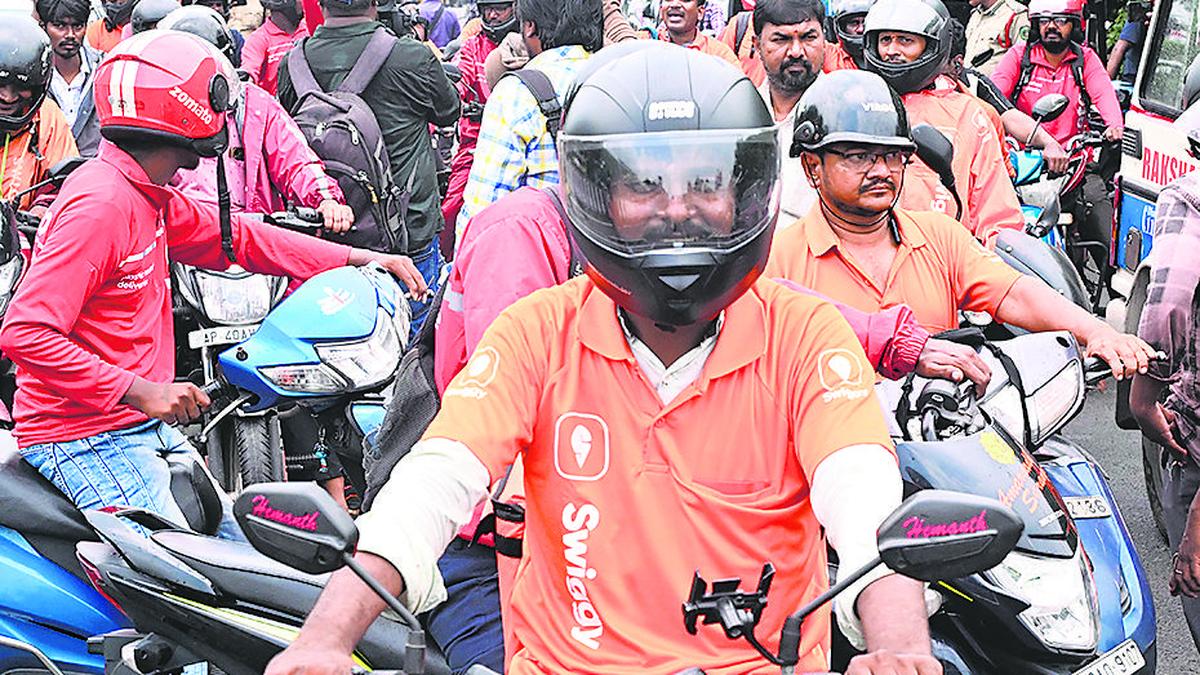
The Cyberabad civic body has directed food delivery platforms Swiggy and Zomato to delist all unlicensed food outlets, verify the precise geo-locations of registered establishments, and disclose their customer review policies to ensure food safety and regulatory compliance.
Regulatory Crackdown on Unlicensed Food Outlets in Cyberabad
In a significant move to safeguard public health and enforce urban regulatory standards, the Cyberabad civic body has issued a stern directive to India's leading food delivery aggregators, Swiggy and Zomato. The authority has mandated the immediate delisting of all food outlets that lack the necessary legal licenses to operate. Beyond simple removal, the civic body is requiring these platforms to implement rigorous verification processes for the geo-locations of their listed partners, ensuring that food is prepared and dispatched exclusively from approved, registered premises. This intervention highlights a growing tension between the rapid expansion of the digital food economy and the slower pace of traditional municipal oversight.
Combating the Risks of Unregistered 'Ghost Kitchens'
The core of this directive targets the proliferation of unlicensed food establishments, many of which operate as 'cloud kitchens' or 'ghost kitchens.' While these business models reduce overhead costs by eliminating the need for a physical storefront, they often bypass critical health and safety inspections required by food safety authorities. When outlets operate without licenses, there is no guarantee of hygiene standards, waste management protocols, or ingredient sourcing quality. By forcing Swiggy and Zomato to verify geo-locations, the civic body aims to eliminate 'shadow kitchens' operating out of unauthorized residential areas or unsanitary environments that deceive consumers through a digital-only presence.
Shifting the Burden of Accountability to Platforms
For years, food delivery platforms have largely positioned themselves as intermediaries—mere digital bridges between a vendor and a customer. However, this directive signals a paradigm shift in regulatory thinking, where the platform is now being held accountable for the legitimacy of the vendors it promotes. By seeking details on customer review policies, the civic body is likely investigating whether inflated or fraudulent ratings are being used to mask the poor sanitary conditions of unlicensed outlets. This move suggests that the government views the 'trust signal' provided by platform ratings as a matter of public safety, not just a commercial metric.
The Impact on the Urban Food Ecosystem
Historically, the rapid growth of the gig economy in hubs like Cyberabad has often outpaced the ability of civic bodies to conduct physical audits. The reliance on app-based ordering has created a blind spot for health inspectors. This crackdown is expected to force a massive cleanup of the vendor database on these apps, potentially leading to a temporary dip in the variety of available outlets but a long-term increase in food safety. For legitimate business owners, this move levels the playing field by removing unfair competition from unlicensed operators who avoid taxes and compliance costs.
Future Trends in Digital Vendor Governance
Looking forward, this action in Cyberabad is likely to set a precedent for other metropolitan areas across India. We can expect a trend toward 'Digital KYC' (Know Your Customer) for food vendors, where platform listing becomes contingent upon a real-time API link with food safety regulators (such as FSSAI). The integration of geo-fencing technology will likely become mandatory, ensuring that a delivery rider can only pick up an order from a verified, licensed coordinate. This will transform food delivery apps from simple marketplaces into regulated gateways of urban commerce.
Conclusion
The directive issued by the Cyberabad civic body is a necessary corrective measure in an era of unchecked digital growth. By targeting the intersection of geo-location accuracy and licensing compliance, the authorities are addressing the systemic loopholes that allow unsafe food practices to thrive. While Swiggy and Zomato may face operational hurdles in auditing thousands of vendors, the result will be a more transparent, safer, and more accountable food delivery ecosystem for the millions of consumers in the region.
Verification Required?