More European supermarkets are getting their freezers hacked
Source Entity
Jess Weatherbed
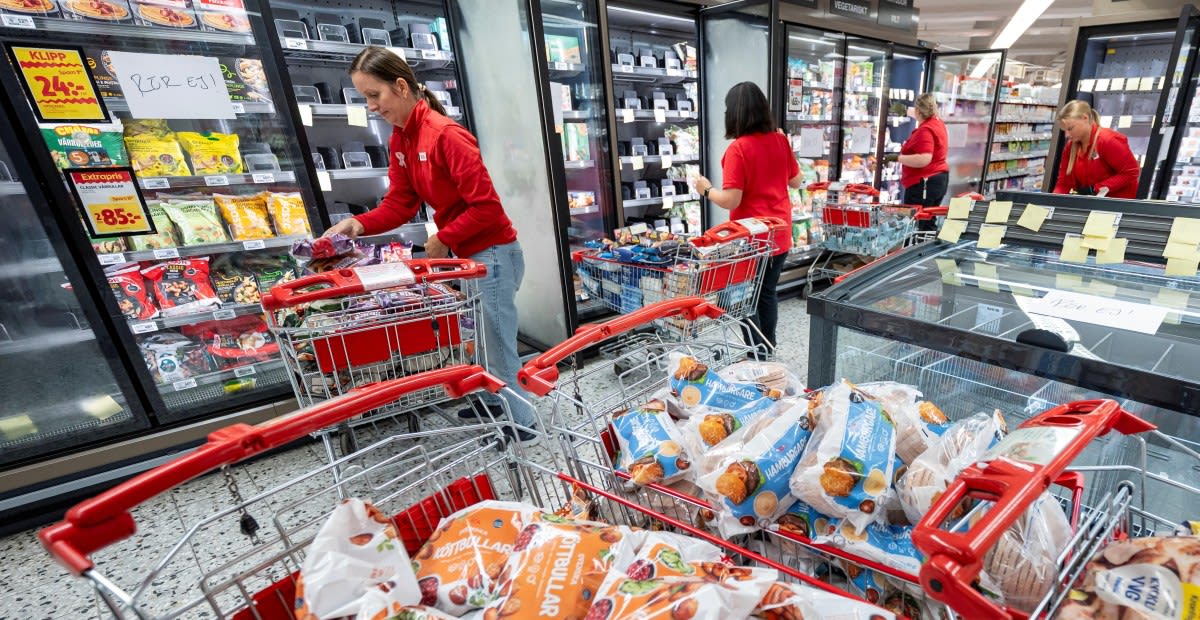
US military bases and European supermarkets are investigating a wave of suspected cyberattacks that remotely sabotaged commercial freezer systems. The incidents involved unauthorized access leading to extreme temperature spikes and significant food spoilage across multiple nations.
The Rising Threat to Cold-Chain Infrastructure
A disturbing series of cyber-incidents has recently targeted the critical cold-chain infrastructure of both civilian supermarkets and US military installations. In August, several US military commissaries—the grocery stores serving service members and their families—experienced unexplained freezer failures. Investigations have revealed that these systems, which are essential for maintaining food safety, were potentially compromised by unauthorized actors who remotely manipulated cooling settings, such as forcing units into defrost mode, resulting in massive food spoilage.
A Transatlantic Pattern of Sabotage
The scope of these attacks extends far beyond US borders, manifesting as a systematic campaign across Europe. Major retail chains in Belgium, Sweden, Luxembourg, Estonia, and Ireland, including Delhaize, ICA, and Coop, have reported similar disruptions. In one extreme case at an ICA Kvantum store in Sweden, hackers remotely escalated freezer temperatures to 50 degrees Celsius (122 Fahrenheit), ensuring the total destruction of inventory. These incidents mirror earlier, widespread disruptions that affected hundreds of supermarkets across France, suggesting a coordinated or at least synchronized effort targeting food supply chain vulnerabilities.
Investigating the Technical Breach
US Cyber Command and the Department of Defense are leading the probe into the military base incidents, though no specific perpetrator has been identified. The technical method of entry remains under investigation, but the nature of the damage implies a sophisticated grasp of industrial control systems (ICS) and Internet of Things (IoT) devices used in commercial refrigeration. By gaining unauthorized access to these networked systems, attackers have demonstrated the ability to cause significant economic damage and logistical strain without ever physically entering the facilities.
The Role of Information Sharing
In response to this growing threat, the Food and Agriculture Information Sharing and Analysis Center (ISAC) has issued formal warnings regarding the inherent vulnerabilities of modern food storage systems. The interconnected nature of modern logistics means that a single security oversight in a vendor’s software or a default password on a cooling unit controller can provide a gateway for malicious actors. Coordination between US authorities and their European counterparts is ongoing, as the international nature of these attacks requires a unified intelligence approach.
Broader Implications for National Security
The targeting of military bases elevates this issue from a matter of retail loss to one of national security. Commissaries are vital to the sustainment of military personnel; the deliberate disruption of their food supply is a psychological and logistical blow. Furthermore, these attacks highlight the fragility of the 'smart' infrastructure that underpins modern society. As businesses increasingly rely on remote monitoring for climate control, they inadvertently expand the attack surface available to cyber-criminals and state-sponsored actors.
Future Trends in Cybersecurity
Looking ahead, it is highly probable that we will see a shift toward more stringent cybersecurity regulations for industrial cooling and storage technologies. Organizations must move toward 'zero-trust' architectures, ensuring that refrigeration systems are segmented from broader corporate networks and protected by robust authentication protocols. The incidents in Sweden, France, and the US serve as a stark warning: as infrastructure becomes more digital, the physical world—including our food supply—becomes increasingly susceptible to remote, intangible threats.