Rain fury continues in J&K, government extends school holidays, suspends all pilgrimages
Source Entity
Arun Sharma
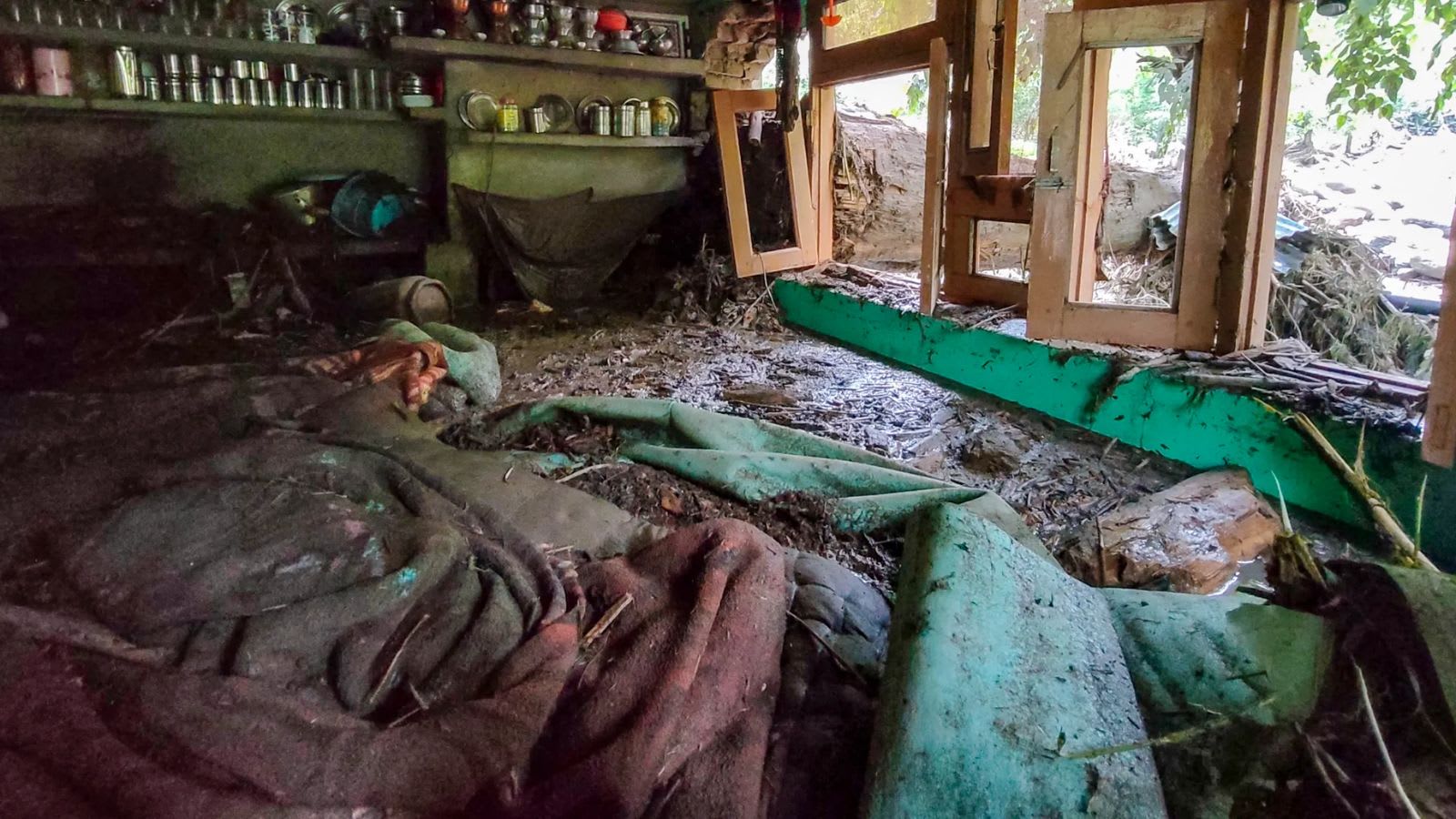
Torrential rains have triggered deadly landslides and flash floods across Jammu and the Northeast, resulting in a combined death toll of over 50 people. Rescue operations are underway as authorities issue red alerts and suspend major pilgrimages.
Devastating Weather Crisis Grips Jammu and Northeast India
The Human Toll and Immediate Impact
India is currently grappling with a severe meteorological crisis as torrential rains have triggered catastrophic flash floods and landslides across the Jammu division and parts of the Northeast. The situation in the Jammu region is particularly dire, with the death toll reaching 28. In Poonch district alone, 23 lives have been lost, including many children, as mud houses succumbed to shifting earth and raging waters. The tragedy in Domail Dhok, where a single landslide claimed seven lives from one family, underscores the vulnerability of mountain settlements during extreme weather events.
Infrastructure and Operational Disruptions
Beyond the loss of life, the region’s infrastructure has been severely crippled. The India Meteorological Department (IMD) has issued a red alert, signaling that the potential for further destruction remains high. In a move to ensure public safety, authorities have suspended the Amarnath Yatra and the Vaishno Devi pilgrimage for a second consecutive day. These measures, while necessary, highlight the scale of the environmental threat, as movement through the fragile Himalayan terrain has become increasingly hazardous due to active landslides.
The Situation in Northeast India
Simultaneously, the northeastern states of Assam and Meghalaya are battling their own flood crisis. Since late June, the death toll in this region has risen to 25, with six deaths reported in the last 48 hours alone. The Assam State Disaster Management Authority (ASDMA) reports that over 3.63 lakh people across 16 districts are currently affected. The inundation of nearly 800 villages and the destruction of nearly 20,000 hectares of crop land indicate a long-term economic and humanitarian challenge for the region.
Government Response and Rescue Efforts
In response to the mounting casualties, Chief Minister Omar Abdullah has announced an ex gratia payment of Rs 6 lakh for the kin of each victim in Jammu. Rescue operations are being conducted on a war footing, with the J&K Police and various disaster management agencies coordinating to recover bodies from the debris of collapsed structures and mud-choked streams. In the Northeast, authorities have had to cancel or divert multiple passenger train services, further isolating flood-affected communities and complicating the delivery of relief materials.
Broader Implications and Future Trends
This surge in extreme weather events highlights the increasing volatility of the monsoon season. The concentration of rainfall in short, intense bursts—often referred to as 'cloudburst-like' conditions—leaves little time for evacuation and places immense strain on rural housing, such as the 'dhoks' in Poonch. As climate patterns shift, these regions will likely face more frequent and intense hydrological disasters. Future urban and rural planning must prioritize landslide-resilient infrastructure and more robust early-warning systems to mitigate the risk to human life in these ecologically sensitive zones.
Conclusion
The dual crises in Jammu and the Northeast serve as a stark reminder of India's vulnerability to extreme climate events. With the IMD maintaining high-level alerts, the focus remains on rescue and recovery. However, the long-term recovery for the displaced thousands and the rebuilding of destroyed infrastructure will require sustained support and a fundamental reassessment of disaster mitigation strategies in high-risk zones.
Multiple Citing Sources