PV Sindhu says she’s ‘100% not getting paid’ to promote Deepinder Goyal’s ₹85,000 Temple wearable
Source Entity
Latest News: Todays Latest News Headlines from India & World | Hindustan Times
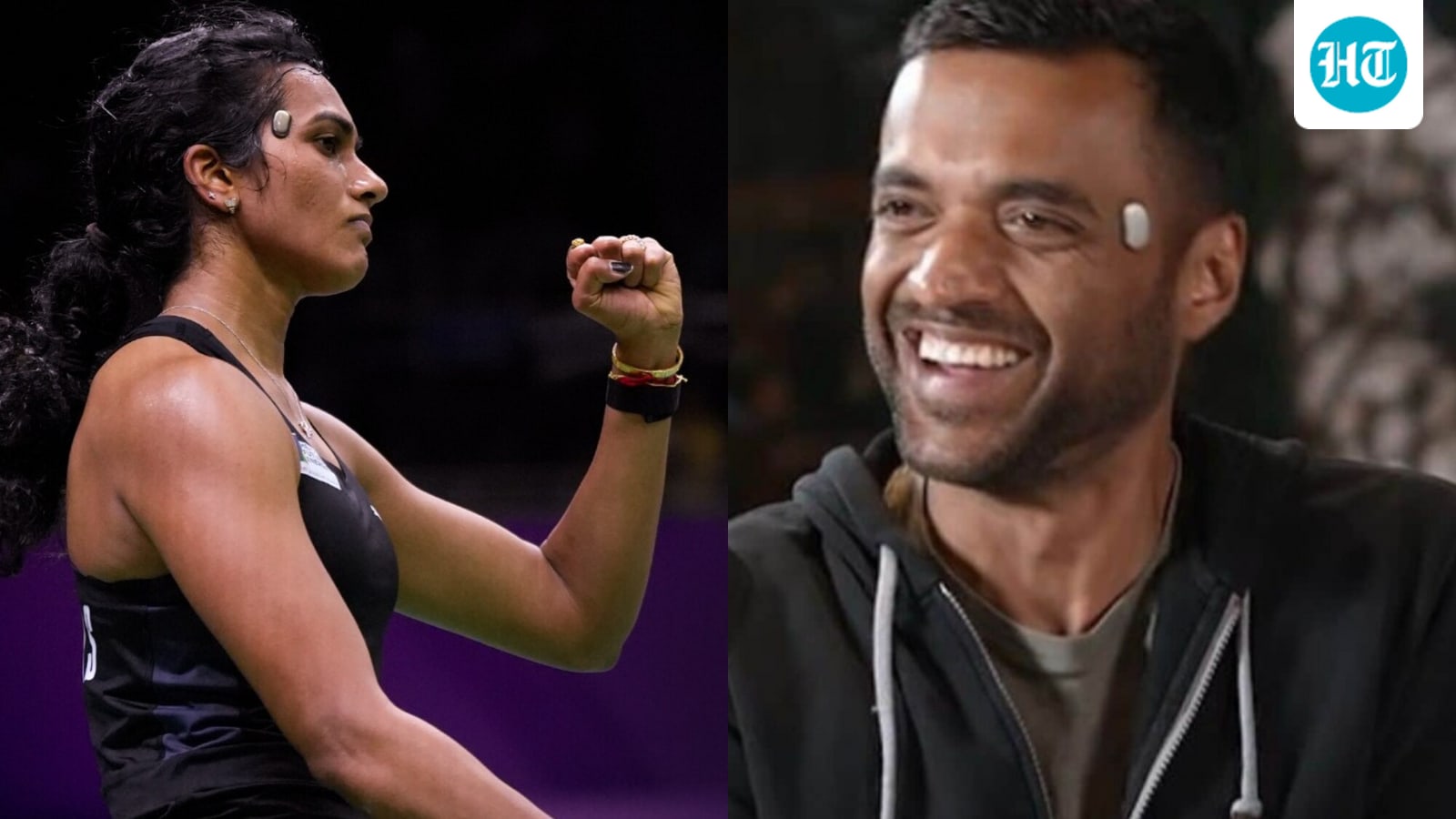
Zomato founder Deepinder Goyal’s new ₹85,000 health-tech wearable, Temple, faced a website crash due to high demand during its launch. Despite skepticism regarding Goyal's transition from food delivery to complex hardware, athletes like PV Sindhu have publicly endorsed the device.
The High-Stakes Launch of Temple
On November 1, the Indian health-tech landscape witnessed a significant moment as Temple, a premium head-worn wellness wearable backed by Zomato founder Deepinder Goyal, opened for pre-orders. Priced at ₹85,000, the device aims to track blood flow changes in the brain to help users monitor physical and mental stress. The launch, however, was marked by immediate technical challenges; the official website, temple.com, suffered a brief crash due to an overwhelming surge in traffic. Goyal addressed the incident on X, noting that the team had underestimated the volume of early adopters, though he clarified that orders remained functional via the mobile app.
Overcoming the 'Zomato Guy' Stigma
Deepinder Goyal’s pivot from the food-delivery giant Zomato to the specialized field of neuroscience-focused hardware has not been without skepticism. Goyal has openly discussed how his established reputation as the "Zomato guy" works against him in this new venture. Critics and potential consumers have voiced doubts about whether an entrepreneur known for building a logistics-heavy food platform possesses the technical expertise required to develop sophisticated, science-centric health hardware. This skepticism highlights the challenges prominent tech leaders face when attempting to cross-pollinate their brand identity into vastly different industry verticals.
The Role of High-Profile Advocacy
To bridge this credibility gap, the project has leveraged endorsements from elite figures, most notably badminton champion PV Sindhu. Sindhu has publicly championed the device, labeling it a "game changer" and confirming she uses it during rigorous training, including swimming. Addressing public speculation regarding the nature of her involvement, Sindhu explicitly clarified on X that she is "100% not getting paid" for her endorsement, emphasizing that she reached out to Goyal personally to understand how the device's metrics could benefit professional athletes.
Technical Ambition and Market Positioning
At a price point of ₹85,000, Temple is positioned firmly in the luxury health-tech segment. The device’s core value proposition—monitoring cerebral blood flow—represents a shift from standard consumer activity trackers to more clinical-grade wellness monitoring. By focusing on how the body responds to stress at a neurological level, Goyal is attempting to carve out a niche that moves beyond step-counting and heart-rate monitoring, aiming to provide deeper physiological insights.
Future Trends and Implications
The immediate traffic surge during the launch suggests a strong appetite for premium health-tracking innovations in the Indian market, despite the high barrier to entry. If Temple succeeds in delivering on its promise of actionable brain-health insights, it could set a new benchmark for wearable technology in India. However, the project's long-term success will rely on Goyal’s ability to prove the device's efficacy beyond the initial "hype" phase and effectively manage the transition from a logistics-focused brand to a trusted name in high-end medical technology.
Multiple Citing Sources
Verification Required?