DeepMind CEO calls for an independent standards body to regulate frontier AI
Source Entity
Russell Brandom
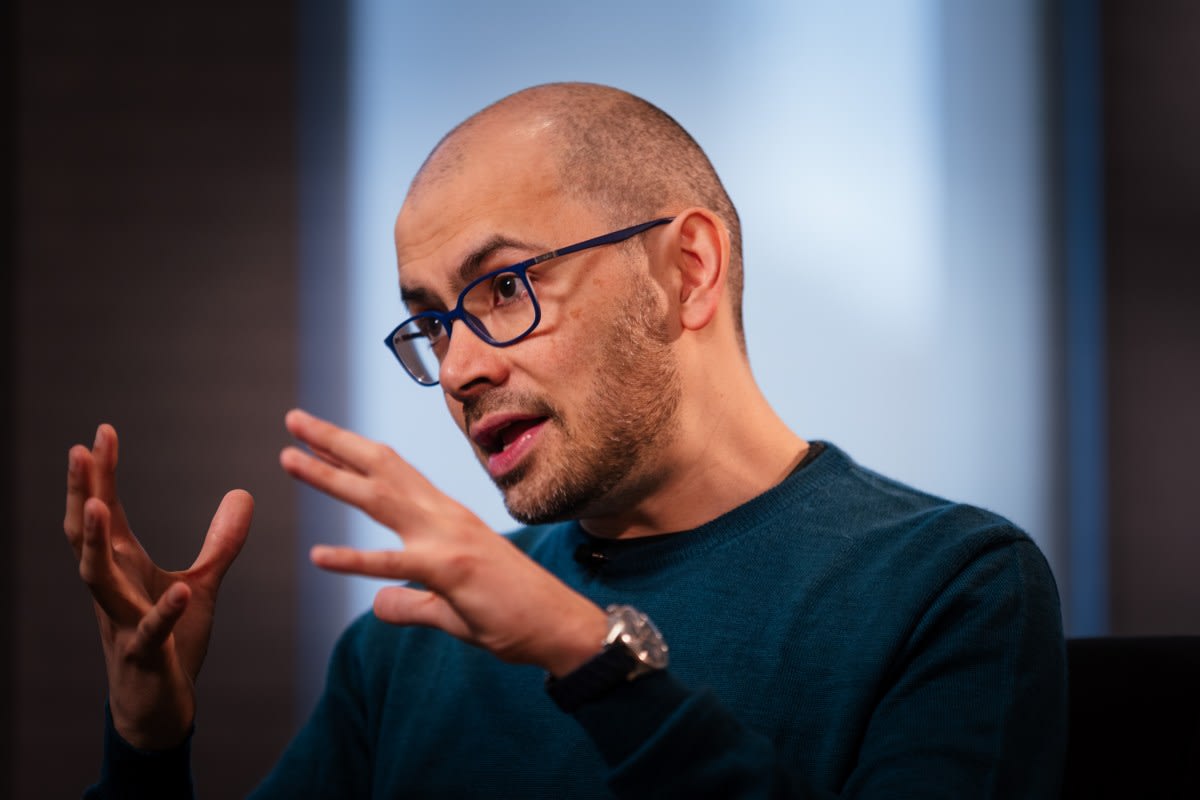
DeepMind CEO Demis Hassabis has proposed the creation of an independent standards body, modeled after financial regulators like FINRA, to oversee the testing and safe release of frontier AI models.
The Quest for AI Guardrails: Analyzing Demis Hassabis's Proposal for an Independent Standards Body
In a significant move toward the institutionalization of AI safety, Google DeepMind CEO Demis Hassabis has called for the establishment of an independent standards body to regulate 'frontier AI.' This proposal marks a pivotal shift in the discourse surrounding artificial intelligence, moving from vague ethical guidelines toward a structured, regulatory framework. By suggesting a body that is independent of both the developers and the direct government political apparatus, Hassabis is acknowledging that the pace of AI evolution has outstripped the current capacity of traditional legislative processes to ensure public safety.
The FINRA Model: Applying Financial Rigor to Algorithmic Risk
One of the most striking aspects of Hassabis's proposal is the explicit reference to FINRA (the Financial Industry Regulatory Authority). FINRA is a government-authorized not-for-profit organization that oversees brokerage firms and exchange markets in the United States. By drawing this parallel, Hassabis is advocating for a 'self-regulatory organization' (SRO) model. In the context of AI, this would mean a body capable of conducting rigorous audits, enforcing standardized testing protocols, and certifying that a model meets specific safety benchmarks before it is deployed to the general public. This approach aims to balance the need for rapid innovation with the necessity of preventing catastrophic failures, mirroring how the financial sector manages systemic risk to prevent market collapses.
Defining 'Frontier AI' and the Necessity of Testing
To understand the urgency of this proposal, one must define 'frontier AI.' These are the most advanced, large-scale models—such as the latest iterations of Gemini, GPT, or Claude—that exhibit emergent capabilities that their creators may not have fully predicted. The risks associated with these models range from the proliferation of biological weapon instructions to sophisticated cyber-attack capabilities and systemic misinformation. Hassabis's call for a standards body focuses on 'best practices for release,' suggesting that the current 'beta testing' approach—where models are released to millions of users to find flaws—is an unacceptable risk for systems with frontier-level capabilities. Instead, he argues for a pre-release verification phase conducted by a neutral third party.
Navigating the Competitive 'Race to the Bottom'
Historically, the AI industry has been characterized by an intense arms race between a handful of corporate giants. When companies compete aggressively for market share, there is a systemic incentive to cut corners on safety to be the first to market. This is often referred to as a 'race to the bottom.' An independent standards body would act as a leveling mechanism. If all major players are required to pass the same rigorous safety certifications, the competitive advantage shifts from who can release the fastest to who can build the most reliable and safe system. This would fundamentally alter the corporate incentive structure, prioritizing stability over speed.
The Global Regulatory Landscape and Institutional Integration
This proposal does not exist in a vacuum but aligns with a broader global trend. We have already seen the emergence of AI Safety Institutes in the UK and the US, and the implementation of the EU AI Act. However, Hassabis's vision of a FINRA-like body suggests something more specialized and technically agile than a government agency. While governments can set the overarching laws (the 'what'), a standards body would define the technical specifications (the 'how'). This division of labor is crucial because AI technology evolves weekly, while legislation typically takes years to pass and implement. A technical standards body could update its benchmarks in real-time as new vulnerabilities are discovered.
Future Trends: Toward AI Certification and Licensing
Looking ahead, the adoption of such a body would likely lead to the creation of 'AI Safety Certifications.' Much like how electronic devices require UL or CE marking to prove they won't catch fire, future frontier models may require a 'Safety Seal' from an independent body before they can be integrated into critical infrastructure or public services. We may also see a transition toward a licensing regime, where only organizations that adhere to the standards body's protocols are granted the legal right to train models above a certain compute threshold. This would effectively create a professionalized tier of AI development, emphasizing accountability and transparency.
Conclusion: A Necessary Evolution for AGI
Demis Hassabis's proposal represents a mature realization that the path toward Artificial General Intelligence (AGI) cannot be navigated by corporations alone. By advocating for an independent, FINRA-style regulator, he is proposing a middle path between stifling government overreach and reckless corporate autonomy. If implemented, such a body would provide the essential infrastructure needed to ensure that as AI becomes more powerful, it remains aligned with human safety and societal wellbeing, transforming the 'wild west' of AI development into a disciplined, professional industry.