Get 10-Year Tax Waiver In Delhi By Scrapping Old Commercial Vehicle
Source Entity
NDTV News Search Records Found 1000
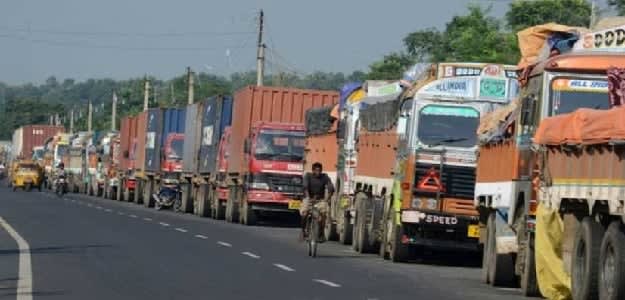
The Delhi government has introduced a 10-year tax waiver program for commercial vehicle owners who scrap their old trucks and buses. This initiative aims to address pollution by covering approximately 2.07 lakh vehicle owners.
Delhi's Strategic Push for Vehicle Scrappage
The Delhi government has officially launched an initiative aimed at modernizing the city's commercial transport fleet by offering a 10-year tax waiver to owners who scrap their aging vehicles. This policy is a direct intervention targeting the high levels of vehicular emissions that have long plagued the national capital region. By incentivizing the removal of older, high-polluting trucks and buses, the government aims to replace obsolete, inefficient engines with cleaner, more compliant technology.
Scope and Impact of the Initiative
According to official estimates, this program has the potential to impact approximately 2.07 lakh truck and bus owners. This is a significant figure, representing a large portion of the commercial logistics and public transport backbone in the region. By providing a substantial financial incentive—a decade-long tax exemption—the government is attempting to lower the barrier to entry for operators who might otherwise struggle to afford the capital expenditure required to upgrade their fleets to modern emission standards.
Addressing Urban Air Quality
Historically, the transport sector has been one of the primary contributors to Delhi's poor air quality. Older commercial vehicles, which often lack advanced catalytic converters or modern particulate filters, contribute disproportionately to nitrogen oxide and particulate matter levels. This tax waiver program is not merely a financial policy; it is a public health strategy designed to accelerate the turnover of the commercial fleet and improve the overall air quality index (AQI) of the city.
The Economics of Scrappage
For many small-scale fleet operators, the cost of scrapping an old vehicle and purchasing a new one is prohibitively high. The government's decision to offer a 10-year tax waiver acts as a long-term subsidy that offsets the initial costs of asset replacement. This economic lever is expected to stimulate demand in the automobile manufacturing sector, as operators will likely look to reinvest their savings into newer, more fuel-efficient vehicles that comply with the latest Bharat Stage (BS) emission norms.
Future Trends and Sustainability
Looking forward, this policy sets a precedent for how urban centers might handle the transition to greener logistics. If successful, the model of linking tax relief to environmental compliance could be scaled across other states facing similar air quality challenges. The success of this initiative will largely depend on the ease of the administrative process for the 2.07 lakh eligible owners and the availability of certified scrappage centers capable of handling the volume of vehicles expected to enter the system.
Conclusion
In summary, the Delhi government’s 10-year tax waiver for commercial vehicle scrappage represents a calculated effort to balance economic viability with environmental necessity. By targeting the replacement of over 200,000 vehicles, the policy aims to modernize the city's transport infrastructure, reduce emission levels, and provide a clear pathway for commercial operators to transition toward more sustainable and efficient logistics models.
Verification Required?