Residents throng PCMC, demand Moshi garbage depot’s shift
Source Entity
Manoj Dattatrye More
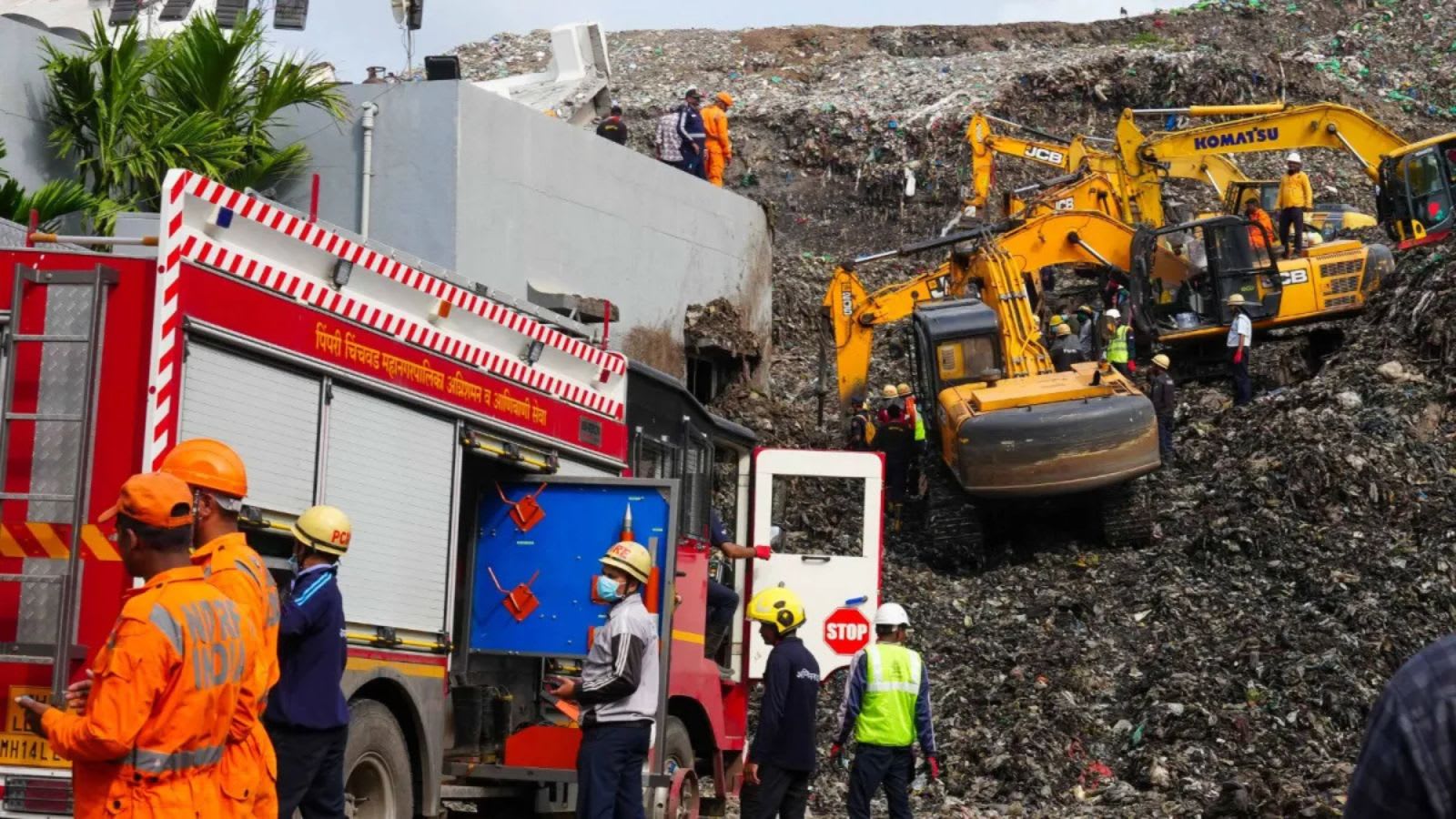
Residents of Moshi have demanded the relocation of a local garbage depot following a tragic building collapse that killed nine workers. The protest at the Pimpri Chinchwad Municipal Corporation (PCMC) headquarters highlights long-standing safety and environmental concerns in the area.
The Moshi Tragedy: A Crisis of Infrastructure and Public Safety
The Catalyst for Unrest
The recent collapse of a waste-to-energy plant structure within the Moshi garbage depot has served as a grim catalyst for public outcry. The incident, which claimed the lives of nine contract employees on July 8, has exposed critical vulnerabilities in the management and maintenance of waste processing facilities under the Pimpri Chinchwad Municipal Corporation (PCMC). This tragedy has transformed from a localized industrial accident into a broader civic movement, as residents now demand accountability and structural change.
Escalating Demands for Relocation
Following the collapse, a delegation led by former corporator Dhananjay Alhat formally approached municipal leadership, including Municipal Commissioner Vijay Suryavanshi and Mayor Ravi Landge. The primary demand put forth by the residents is the total relocation of the Moshi garbage depot. For years, the facility has been a point of contention for local inhabitants, and the loss of life has solidified the community's resolve that the facility is no longer compatible with the safety of the surrounding suburb.
Economic and Moral Accountability
Beyond the demand for relocation, the residents have insisted on a significant increase in compensation for the families of the nine victims. The incident highlights the precarious nature of contract labor in municipal waste facilities, where workers often operate in high-risk environments with inadequate oversight. By lobbying for higher financial redressal, the community is asserting that the current compensation framework fails to reflect the gravity of the loss or the responsibility of the administrative bodies involved.
Historical Tensions and Governance
The meeting at the PCMC headquarters represents the culmination of long-standing friction between the residents of Moshi and the civic administration. The garbage depot has long been viewed as a blight on the neighborhood, with the collapse providing the evidentiary weight needed to challenge the site's continued operation. This incident forces the PCMC to confront the limitations of its urban planning and the potential negligence that allowed a hazardous structure to compromise the safety of its workers.
Future Implications and Policy Shifts
The outcome of these discussions will likely set a precedent for how the PCMC manages hazardous infrastructure near residential hubs. If the administration fails to provide a concrete timeline for relocation or fails to adequately address the compensation demands, the incident could escalate into a sustained civil rights issue. As cities in India grapple with rapid urbanization, the Moshi case serves as a warning about the necessity of integrating rigorous safety audits and environmental health standards into municipal waste management policies.