Delhi protest: Journalists slapped with SC/ST Act for casteist slur against ACP
Source Entity
RAJEEV SINGH
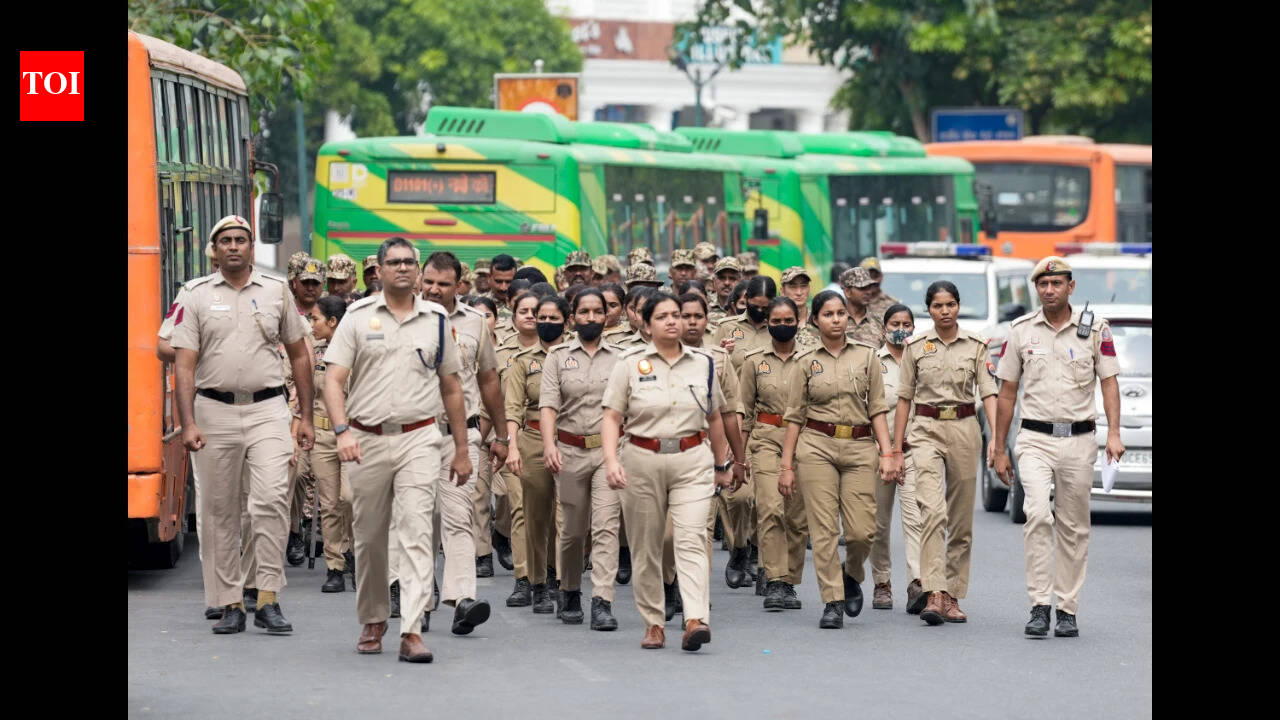
Delhi Police have registered an FIR against a journalist and others under the SC/ST Act following allegations by ACP Vivek Bhagat. The officer claims he was subjected to casteist slurs and public humiliation while on duty during an October 3 protest.
Legal Confrontation in the Capital: The Case of ACP Vivek Bhagat
On October 13, the Parliament Street Police Station in New Delhi registered a significant First Information Report (FIR) that highlights the complex intersection of protest dynamics, professional conduct, and the stringent protections afforded by the Scheduled Castes and Scheduled Tribes (Prevention of Atrocities) Act. The case stems from an incident on October 3, when Assistant Commissioner of Police (ACP) Vivek Bhagat, while performing official duties near the Jantar Mantar protest site, alleges he was subjected to targeted verbal abuse.
The Allegations and the Legal Framework
According to the FIR, ACP Bhagat—who is posted in the Connaught Place subdivision—claims that a journalist identified as Rosy, alongside Gajendra Singh and other associates, including CJP leader Abhijeet Dipke, engaged in public humiliation. The core of the complaint rests on the assertion that the accused made derogatory remarks specifically targeting the ACP’s Megh/Mehgwal caste. By questioning his professional appointment through the lens of his caste identity, the complainants argue that the accused violated the SC/ST (Prevention of Atrocities) Act, a law designed to protect marginalized communities from systemic harassment.
Obstructing Official Duty and Defamation
Beyond the allegations of caste-based slurs, the Delhi Police have invoked sections of the Bharatiya Nyaya Sanhita (BNS). These charges pertain to the obstruction of a public servant in the discharge of their duties and defamation. The ACP contends that his ability to maintain order during the protest was compromised by the behavior of the accused, characterizing the incident not merely as a personal confrontation but as an impediment to official law enforcement functions at a sensitive location.
Contextualizing the Counter-Allegations
The situation is further complicated by reports that the journalist involved had previously leveled allegations of sexual harassment against ACP Bhagat. This creates a volatile legal landscape where two parties are accusing one another of serious offenses. The registration of the FIR under the SC/ST Act serves as a significant legal development, as such cases often carry heavy judicial scrutiny and procedural requirements that differ from standard criminal complaints.
Broader Implications for Public Discourse
This incident underscores the increasingly polarized environment surrounding protests in New Delhi. When law enforcement officers and members of the media become embroiled in legal disputes involving caste identity and professional misconduct, it invites a deeper look at the protocols governing police-press interactions. The utilization of the SC/ST Act in this context reflects the ongoing national conversation regarding the necessity of legal safeguards against casteist discrimination in public life.
Future Trends and Judicial Path
As the investigation at the Parliament Street Police Station proceeds, the judiciary will likely be tasked with untangling the sequence of events from October 3. The outcome of this case will be a critical bellwether for how authorities handle claims of caste-based discrimination when they arise in the heat of political demonstrations. Legal observers will be watching closely to see how the court balances the right to protest against the legal protections afforded to public servants under the Prevention of Atrocities Act.
Multiple Citing Sources