Dhami announces extra relief for hail-hit farmers in Uttarakhand
Source Entity
Latest News: Todays Latest News Headlines from India & World | Hindustan Times | Hindustan Times
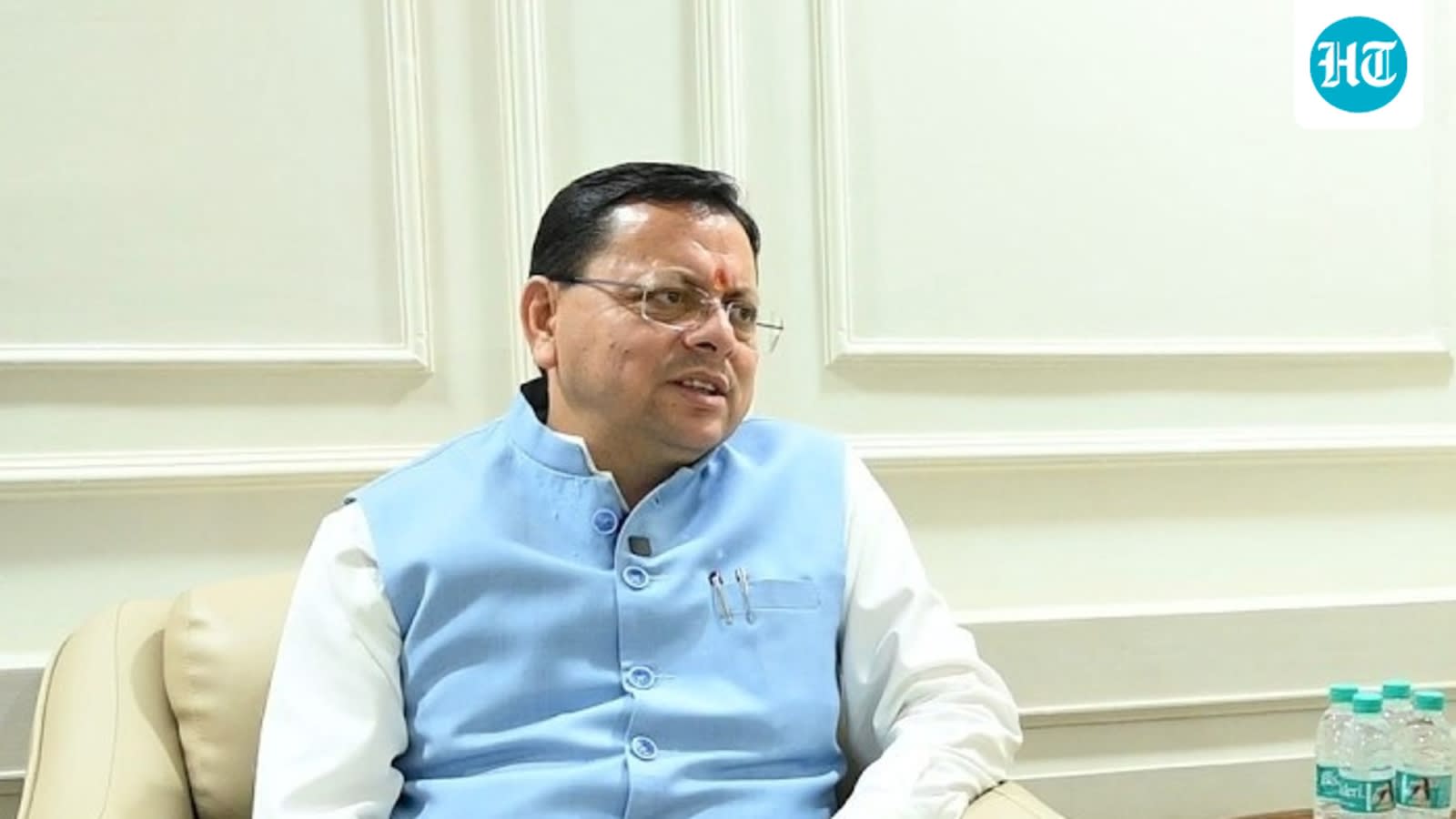
Uttarakhand CM Pushkar Singh Dhami has announced additional financial relief and a three-month electricity bill deferment for farmers hit by recent hailstorms. These measures include extra compensation for damaged crops and proposed relief for Kisan Credit Card loans to mitigate agricultural financial strain.
Uttarakhand Announces Robust Relief Package for Hail-Hit Farmers
Uttarakhand Chief Minister Pushkar Singh Dhami has unveiled a comprehensive relief package aimed at supporting the state's farming community following devastating hailstorms that have severely impacted local harvests. Recognizing the vulnerability of agrarian livelihoods to extreme weather events, the state government has committed to providing additional financial assistance that goes beyond the standard disaster relief protocols. This intervention is designed to stabilize the rural economy and ensure that farmers, particularly those dealing with agricultural, horticultural, and sugarcane losses, have the necessary resources to recover.
Financial Support and Debt Deferment Measures
The relief package is multifaceted, addressing both immediate liquidity needs and long-term debt management. Central to the initiative is a directive from the Chief Minister to provide compensation equivalent to the existing disaster relief norms, effectively doubling the support provided to affected households. Furthermore, the government has implemented a three-month deferment on electricity bill payments for the period of October through December. This administrative reprieve serves as a critical buffer, allowing farmers to redirect limited cash flow toward immediate farm rehabilitation efforts rather than utility overheads.
Addressing the Kisan Credit Card (KCC) Burden
Beyond immediate compensation and utility relief, the state is actively proposing measures to address the burden of Kisan Credit Card (KCC) loans. As these loans are the primary source of credit for many small-scale farmers in Uttarakhand, the threat of default following a crop failure is a significant concern for regional financial stability. By focusing on KCC loan relief, the administration is attempting to prevent long-term debt traps that often follow climate-induced agricultural disasters, ensuring that farmers remain eligible for future credit cycles.
Administrative Implementation and Oversight
Chief Minister Dhami has issued clear directives to government officials to expedite the implementation of these measures. The effectiveness of this policy hinges on the speed of distribution and the accuracy of damage assessments conducted on the ground. By mandating that officials take necessary steps to process these claims immediately, the state government aims to minimize the bureaucratic lag that often hinders the efficacy of disaster compensation programs.
Broader Implications for State Agriculture
This move by the Uttarakhand government underscores the escalating challenges posed by unpredictable weather patterns in mountainous regions. Horticulture and sugarcane are vital sectors for the state's economy, and their susceptibility to hailstorms highlights the need for more resilient agricultural practices. While this relief package provides essential short-term relief, it also sets a precedent for how state governments can intervene proactively during climate-related crises to maintain food security and economic stability.
Conclusion: A Path Toward Recovery
The initiative taken by the Uttarakhand government serves as a lifeline for thousands of families whose livelihoods were threatened by sudden climatic shifts. By combining direct financial aid with utility relief and loan management, the administration has demonstrated a multi-pronged approach to disaster recovery. Moving forward, the success of these measures will be measured by their ability to reach the most vulnerable farmers and provide the stability required to prepare for the next planting season.
Verification Required?