Why Delhi's Major Air Quality Stations Stopped Showing Data On Diwali Evening
Source Entity
NDTV News Search Records Found 1000
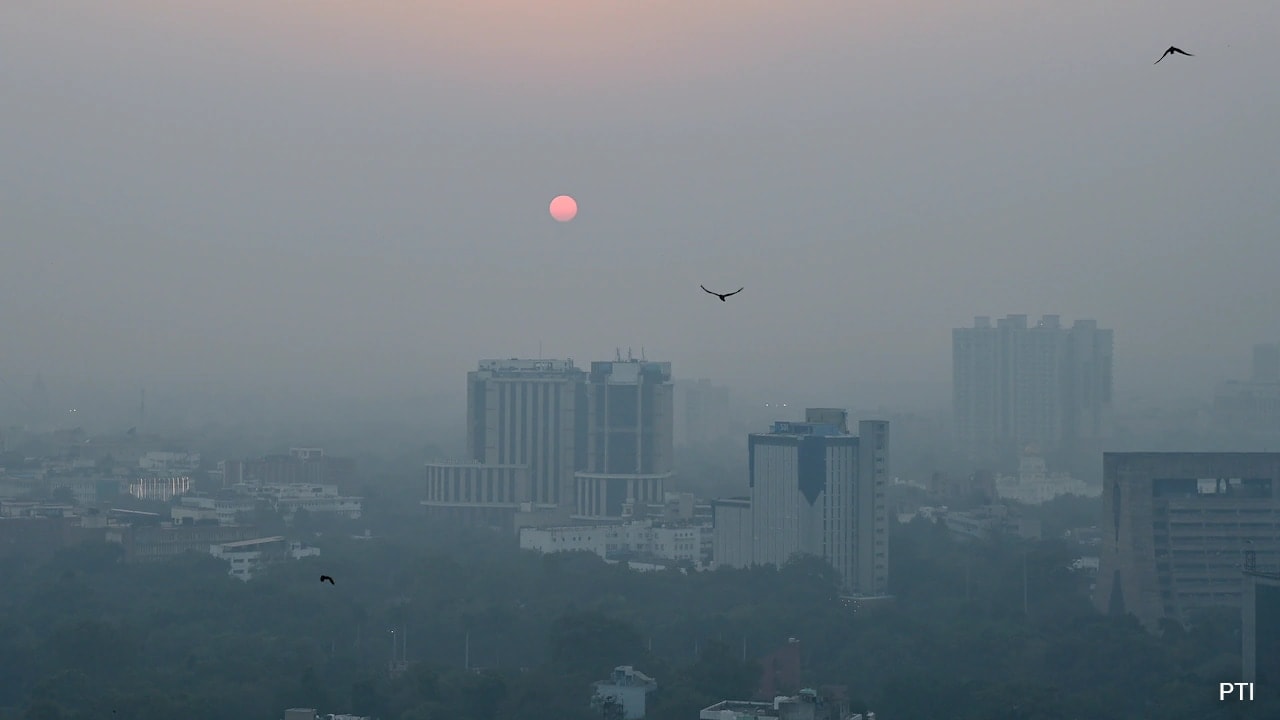
Delhi's air quality has plummeted to an AQI of 383 on Diwali, with multiple regions entering the 'severe' category. Experts warn that conditions are likely to remain critical through November 9.
Delhi’s Toxic Diwali: A Crisis of Air Quality
Delhi, the national capital of India, has once again been enveloped in a blanket of toxic haze as the city celebrated Diwali. On the morning of November 8, the Central Pollution Control Board (CPCB) recorded an overall Air Quality Index (AQI) of 383. This alarming figure places the city on the precipice of the 'severe' category, a threshold defined by the CPCB as any reading exceeding 401. The morning, which should have been festive, was instead characterized by poor visibility and hazardous respiratory conditions for millions of residents.
The Geography of Pollution
The distribution of pollutants across the city reveals a stark disparity, yet a pervasive threat. Out of 54 monitoring stations, a staggering 24 reported 'severe' air quality levels. Specific localities have borne the brunt of this environmental degradation, with Jahangirpuri recording the highest AQI at 450. Other high-risk areas include Punjabi Bagh (449), R K Puram (448), Bawana (446), and the vicinity of IIT Delhi (445). Even iconic landmarks like India Gate, situated along the Kartavya Path, reported 'very poor' air quality at 398, illustrating the city-wide nature of the smog.
Impact of Firecracker Use
While industrial emissions and vehicular traffic are chronic contributors to Delhi's pollution profile, the immediate surge in AQI is explicitly linked to the widespread use of firecrackers on the eve of the festival. Despite various regulatory warnings and awareness campaigns, the combustion of firecrackers has significantly exacerbated the particulate matter (PM2.5) concentrations in the atmosphere. This surge pushed levels that had shown marginal improvement earlier in the week—from 382 on Friday to 369 on Saturday—back into the danger zone overnight.
Meteorological and Structural Challenges
The Air Quality Early Warning System (EWS) for Delhi provides a grim outlook, suggesting that the 'severe' category is likely to persist through November 9. This underscores a systemic vulnerability: Delhi’s topography and current meteorological conditions are unable to disperse the pollutants trapped by the stagnant air. When high emission events like Diwali coincide with unfavorable wind patterns, the city effectively becomes a gas chamber, trapping residents in a cycle of toxic exposure that affects public health at an unprecedented scale.
Long-term Implications and Future Trends
The persistent struggle to maintain air quality standards during the winter months reflects a broader failure to mitigate seasonal pollution spikes. As the city consistently hovers near the 'severe' threshold, the long-term health implications for the population—particularly children, the elderly, and those with pre-existing respiratory issues—are profound. Without stringent enforcement of environmental guidelines and a fundamental shift in seasonal pollution management, the city is destined to face recurring public health emergencies every year during the festive season.
Conclusion
In summary, the current air quality crisis in Delhi is a manifestation of both human activity and environmental sensitivity. With 24 stations recording 'severe' levels, the situation is critical. As the city navigates the coming days, the reliance on real-time data from the CPCB and the Sameer app remains essential for public safety, though the need for more effective, year-round pollution control measures has never been more urgent.
Multiple Citing Sources
Verification Required?