Delhi’s missing Diwali night data released; PM2.5 at over 60 times national standard
Source Entity
Latest News: Todays Latest News Headlines from India & World | Hindustan Times
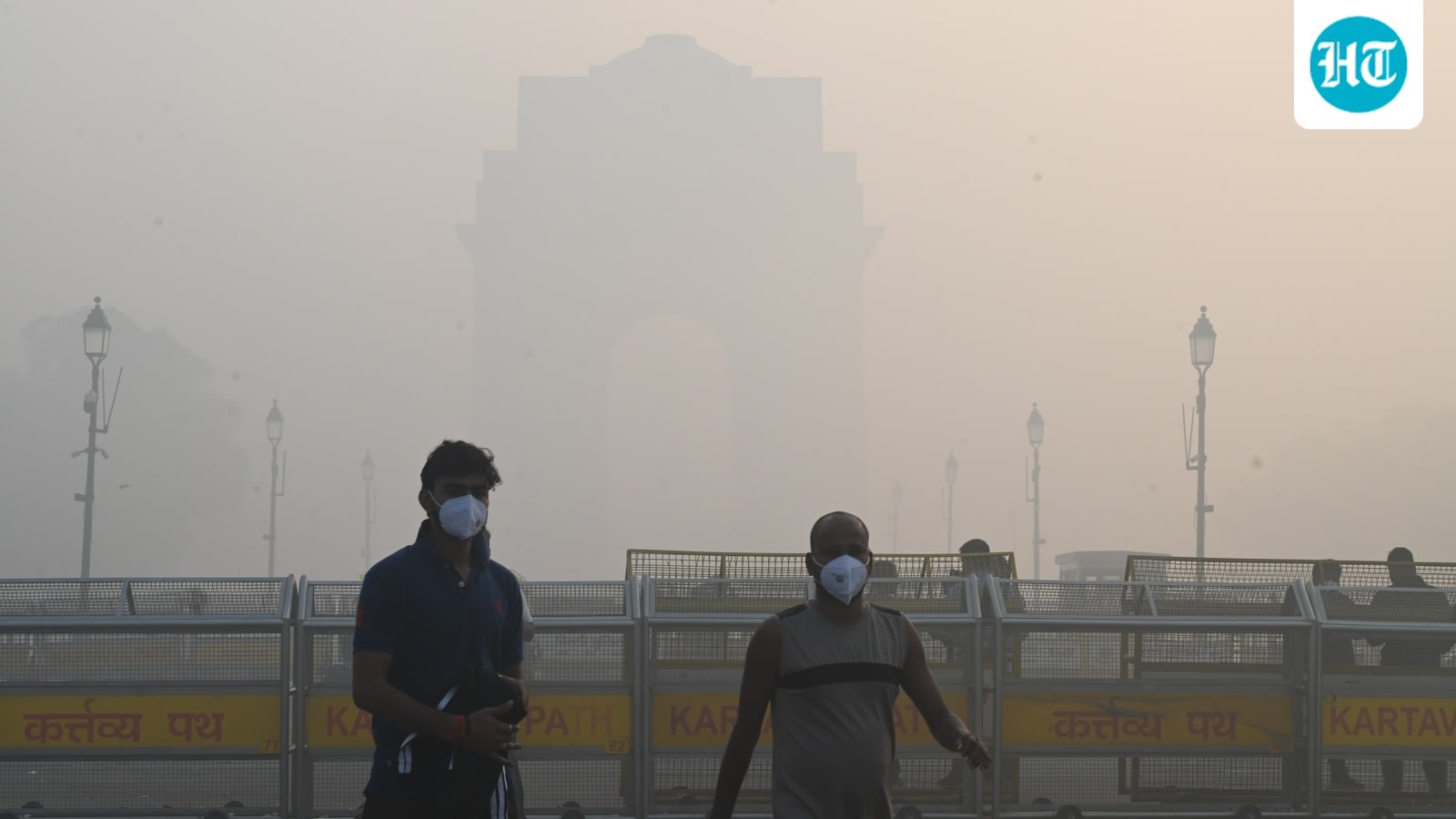
Delhi's air quality has plummeted to an overall AQI of 383 on Diwali morning, with nearly half of the city's monitoring stations recording 'severe' pollution levels. Authorities warn that toxic conditions are expected to persist through November 9.
Delhi's Toxic Diwali: A Crisis of Air Quality
Delhi residents woke up to a hazardous start on Diwali morning as the national capital’s air quality deteriorated to an overall Air Quality Index (AQI) of 383. This alarming figure, confirmed by the Central Pollution Control Board (CPCB), places the city at the precipice of the ‘severe’ category—a threshold defined as any reading above 400. The rapid decline in air quality, exacerbated by firecracker usage on the eve of the festival, has enveloped the city in a dense, toxic haze that poses significant health risks to the populace.
The Geography of Pollution
The distribution of pollutants across the capital is stark and widespread. Of the 54 monitoring stations operated across the city, 24 have officially recorded ‘severe’ air quality levels. Specific hotspots have emerged as particularly dangerous, with Jahangirpuri reporting an AQI of 450, followed closely by Punjabi Bagh (449), R K Puram (448), Bawana (446), and IIT Delhi (445). Even iconic landmarks like India Gate, situated near the Kartavya Path, are not immune, recording a ‘very poor’ AQI of 398.
Analyzing the 'Very Poor' vs. 'Severe' Divide
While the city-wide average sits at 383, the split between ‘very poor’ and ‘severe’ categories highlights a fragmented but uniformly dangerous environment. Areas such as Akshardham Temple and Anand Vihar, which recorded AQI levels of 344 and 328 respectively, remain in the ‘very poor’ bracket. However, the fact that nearly 45% of the monitoring network has already breached the 400-point ‘severe’ mark indicates that the air quality is not merely a localized issue but a systemic failure of atmospheric conditions in the region.
Short-term Forecast and Environmental Trends
Data from the Air Quality Early Warning System (EWS) provides a grim outlook for the immediate future. The system suggests that the air quality is likely to remain in the ‘severe’ category through November 8 and 9. This persistence is concerning, as it suggests that the pollutants trapped by the current weather patterns will not dissipate quickly. Despite a marginal improvement in the days leading up to the festival—where the AQI dipped from 382 on Friday to 369 on Saturday—the post-Diwali surge has effectively nullified those minor gains.
Broader Implications and Public Health
The recurring nature of this crisis during the Diwali period underscores the complex interplay between traditional festivities and environmental regulation. With the AQI scale ranging from ‘good’ (0–50) to ‘severe’ (401+), the current readings represent a dangerous deviation from acceptable air quality standards. The reliance on the Sameer app and CPCB data remains critical for real-time monitoring, yet the consistent breach of safety thresholds highlights the ongoing challenge of managing air quality in one of the world's most densely populated urban centers.
Concluding Outlook
As Delhi navigates the aftermath of its Diwali celebrations, the focus remains on the health implications of sustained exposure to PM2.5 levels that have reached as high as 450 in certain pockets. The combination of firecracker emissions and existing atmospheric stagnation has created a volatile environment. Moving forward, the city faces the difficult task of managing public health emergencies as it remains trapped under this blanket of toxic haze, with little expectation of relief until meteorological conditions shift.
Multiple Citing Sources
Verification Required?