Delhi AQI: What is PM2.5 and the row over air pollution data post Deepavali?
Source Entity
India Latest News: Top National Headlines Today & Breaking News | The Hindu
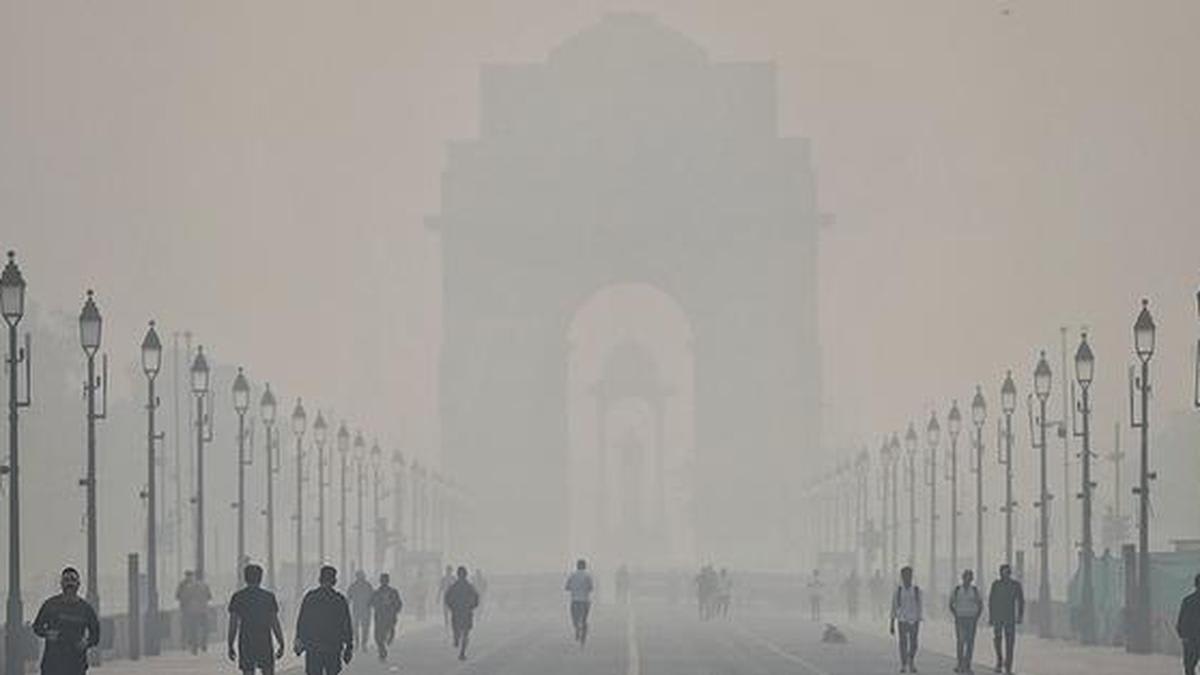
Delhi's air quality has reached a critical state this Diwali, with the overall AQI hitting 383 and multiple monitoring stations entering the 'severe' category. Experts warn that the toxic haze, exacerbated by firecracker usage, is likely to persist through November 9.
Delhi's Environmental Crisis: A Diwali Under Toxic Haze
Delhi, the national capital of India, has once again been enveloped in a thick blanket of toxic smog as the city celebrates Diwali. According to data provided by the Central Pollution Control Board (CPCB), the city recorded an overall Air Quality Index (AQI) of 383 on the morning of the festival. This alarming figure places the city on the precipice of the 'severe' category, a threshold defined by an AQI of 401 and above, signaling significant health risks for the general population.
Dissecting the Data: The Geography of Pollution
The severity of the situation is highlighted by the distribution of pollution levels across the capital. Out of 54 monitoring stations, an staggering 24 have reported 'severe' air quality levels. Specific pockets of the city are suffering more than others; Jahangirpuri leads the list with a critical AQI of 450, followed closely by Punjabi Bagh (449), R K Puram (448), Bawana (446), and IIT Delhi (445). Even prominent landmarks like India Gate, situated along the Kartavya Path, are not immune, recording a 'very poor' AQI of 398.
The Impact of Festive Traditions
The current crisis serves as a stark reminder of the environmental toll taken during the festive season. Reports indicate that firecrackers set off on the eve of Diwali significantly contributed to the rapid degradation of air quality. Despite minor fluctuations in the days leading up to the festival—where the AQI dipped slightly from 382 on Friday to 369 on Saturday—the cumulative effect of localized emissions has pushed the city back into a hazardous state. The concentration of PM2.5, a fine particulate matter, remains a primary concern for public health authorities.
Broader Implications and Public Health
The persistent 'very poor' to 'severe' air quality poses immediate threats to public health, particularly for vulnerable groups such as children, the elderly, and those with pre-existing respiratory conditions. The fact that the entire city is categorized between 'very poor' and 'severe' means that even healthy individuals are at risk of experiencing discomfort or long-term health consequences from prolonged exposure to such high levels of pollutants.
Future Trends and Early Warning Systems
Looking ahead, the outlook remains bleak. The Air Quality Early Warning System (EWS) for Delhi has projected that the air quality is likely to remain firmly in the 'severe' category through November 8 and 9. This suggests that the current atmospheric conditions, likely coupled with stagnant winds that prevent the dispersion of pollutants, will continue to trap the toxic haze over the national capital for the immediate future.
Conclusion
In summary, the 2023 Diwali period in Delhi has been marked by a severe environmental challenge. With nearly half of the city's monitoring stations reporting 'severe' AQI levels, the situation underscores the urgent need for sustained policy interventions to curb air pollution. As the capital navigates these hazardous levels, the focus remains on the efficacy of early warning systems and the ongoing struggle to balance traditional celebrations with the fundamental necessity of clean air.
Multiple Citing Sources
Verification Required?