AQI above 400: How toxic air can affect your lungs, heart and brain
Source Entity
The Indian Express
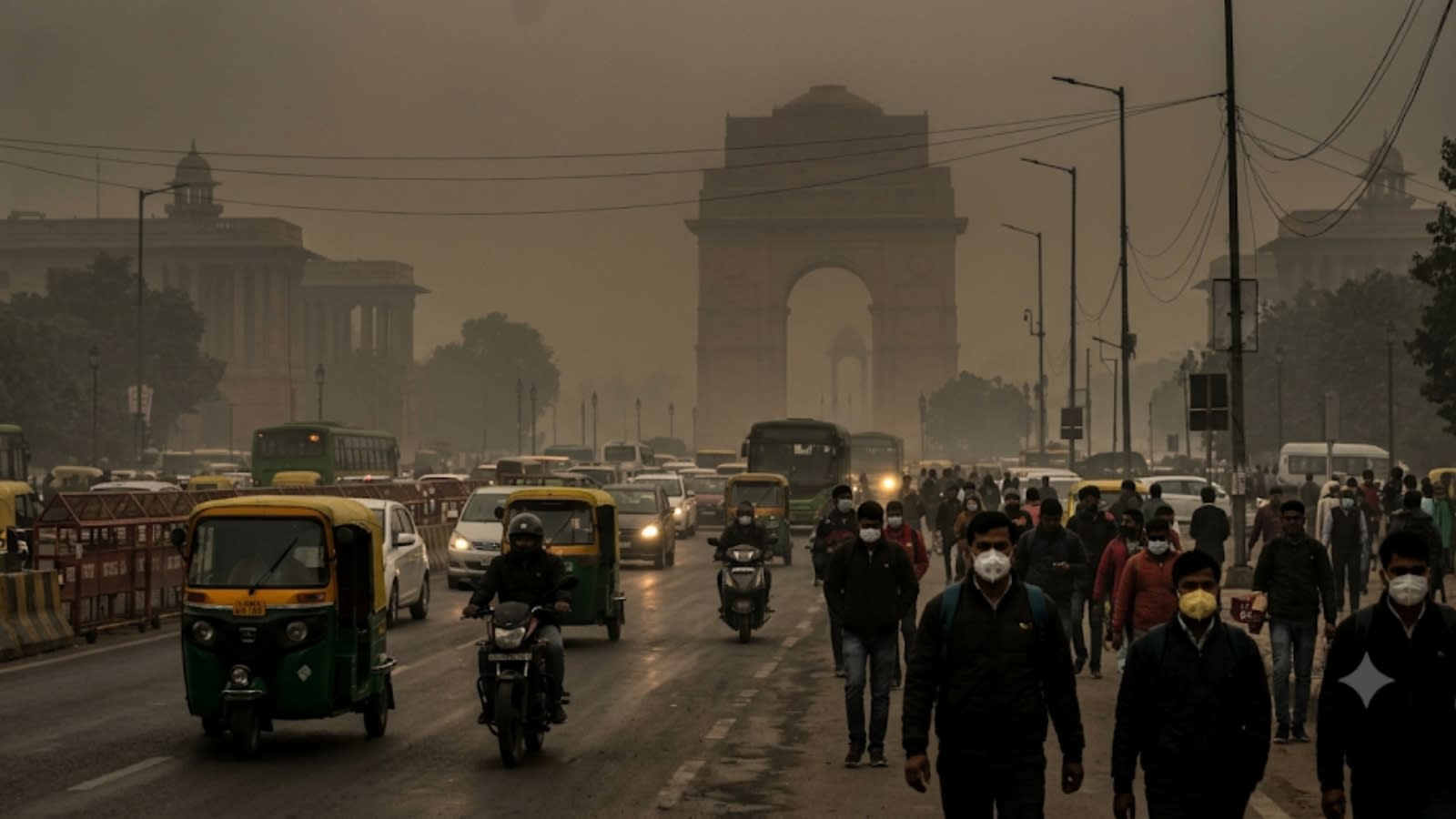
Delhi’s air quality plummeted to an AQI of 383 on Diwali morning, with nearly half of the city's monitoring stations recording 'severe' pollution levels. The toxic haze, exacerbated by pre-festival firecracker use, is expected to persist through November 9.
Delhi’s Toxic Diwali: A Deep Dive into the Air Quality Crisis
Delhi once again faced a major environmental challenge this Diwali, as the national capital woke up to a thick, toxic blanket of smog. According to data from the Central Pollution Control Board (CPCB), the overall Air Quality Index (AQI) reached 383 on the morning of the festival. This figure places the city on the precarious threshold of the 'severe' category, which officially begins at an AQI of 401, signaling an immediate health threat to the millions of residents living in the region.
The Geography of Pollution
The crisis is not distributed evenly across the city, as evidenced by the extreme variations recorded by the 54 monitoring stations. While the overall average sits at 383, specific pockets have entered the 'severe' zone with alarming intensity. Jahangirpuri leads the list with a critical AQI of 450, followed closely by Punjabi Bagh (449), R K Puram (448), Bawana (446), and IIT Delhi (445). These figures highlight that residents in these specific zones are currently breathing air that poses significant respiratory risks, even for healthy individuals.
The Impact of Firecrackers and Meteorological Factors
The surge in pollution levels is inextricably linked to the bursting of firecrackers on the eve of the festival. Despite various regulatory warnings and restrictions, the cumulative impact of these emissions has pushed the city’s air quality from a marginal improvement—seen on Saturday when the AQI was 369—back into the dangerous territory of the 'very poor' and 'severe' classifications. The persistence of this haze is further compounded by atmospheric conditions that trap pollutants close to the ground, preventing the dispersal of particulate matter.
Widespread Exposure Across the Capital
Data from the Sameer app and the CPCB confirms that the crisis is city-wide. Out of 54 monitoring stations, 24 have officially recorded 'severe' air quality levels, while the remaining stations remain in the 'very poor' category. Even iconic locations like the area around India Gate recorded an AQI of 398, narrowly missing the 'severe' classification, while areas like Akshardham Temple (344) and Anand Vihar (328) remain in the 'very poor' range, illustrating that nowhere in the city is truly safe from the current pollution spike.
Future Outlook and Health Implications
Looking ahead, the Air Quality Early Warning System (EWS) for Delhi provides little relief, suggesting that air quality is likely to remain in the 'severe' category throughout November 8 and 9. This prolonged exposure to high levels of PM2.5 is particularly hazardous for vulnerable populations, including the elderly, children, and those with pre-existing respiratory or cardiovascular conditions. As the city continues to navigate this environmental emergency, the focus remains on the immediate health impacts and the ongoing struggle to mitigate pollution levels during the peak festival season.
Multiple Citing Sources