Delhi-NCR Chokes On Diwali Night As Smoke Engulfs City, AQI Nears 400
Source Entity
NDTV News Search Records Found 1000
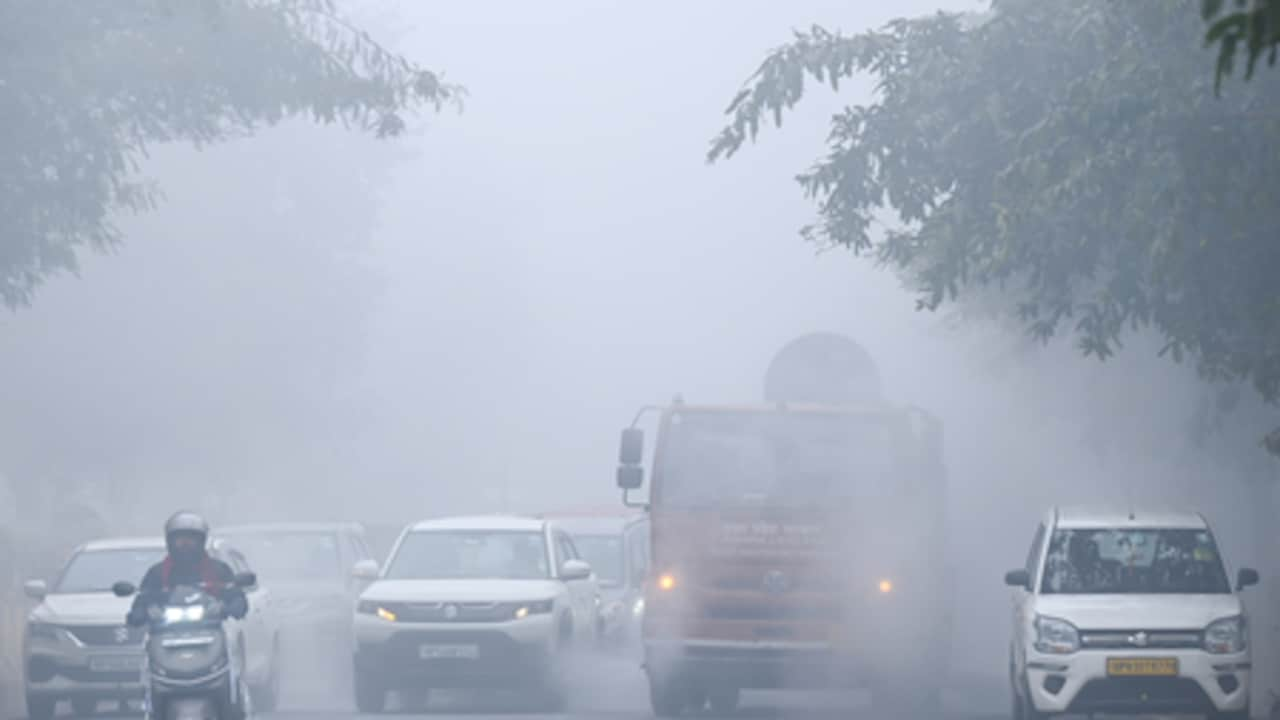
Delhi's air quality has reached a critical state this Diwali, with an overall AQI of 383 and multiple pockets entering the 'severe' zone. Authorities report that 24 out of 54 monitoring stations have exceeded safe limits, signaling a worsening public health crisis.
Delhi's Environmental Crisis: A Deep Dive into Post-Diwali Air Quality
Delhi once again finds itself grappling with a severe environmental challenge as the national capital woke up to a thick, toxic haze on the morning of Diwali. According to data from the Central Pollution Control Board (CPCB), the city recorded an overall Air Quality Index (AQI) of 383. This alarming figure places the capital dangerously close to the 401 threshold, which officially classifies air quality as 'severe.' The persistence of this smog, driven by a combination of seasonal meteorological conditions and the combustion of firecrackers, highlights the precarious state of urban air management in India's capital.
The Geography of Pollution: Hotspots and Severity
The distribution of pollution across the city reveals a stark disparity, with certain areas bearing a significantly heavier burden. Out of 54 monitoring stations, nearly half—24 in total—recorded 'severe' air quality levels. Jahangirpuri emerged as the most polluted pocket, recording an AQI of 450, followed closely by Punjabi Bagh (449), R K Puram (448), Bawana (446), and IIT Delhi (445). These figures underscore how localized emission sources and traffic density, compounded by the festive surge in firecracker usage, create 'gas chamber' conditions in densely populated neighborhoods.
Analyzing the 'Very Poor' to 'Severe' Transition
While the city saw a marginal improvement in air quality from 369 on Saturday to 382 on Friday, the situation remains highly volatile. The transition from 'very poor' (301-400) to 'severe' (above 400) is not just a numerical shift but a significant escalation in health risk. Even areas considered more central, such as the vicinity of India Gate, recorded an AQI of 398, teetering on the edge of the severe category. This indicates that the toxicity is not limited to industrial or peripheral zones but has permeated the heart of the capital, affecting high-traffic public spaces.
The Role of Meteorological and Human Factors
The Air Quality Early Warning System (EWS) for Delhi has projected that the 'severe' category conditions are likely to persist through November 8 and 9. This suggests a grim outlook for public health, as the stagnant atmospheric conditions prevent the dispersion of pollutants. The reliance on firecrackers, despite various regulatory interventions, continues to be a primary catalyst for these spikes. The correlation between the pre-Diwali festivities and the immediate degradation of air quality is evident in the data provided by the CPCB and the Sameer app.
Broader Implications and Future Trends
The recurring nature of this crisis points toward a systemic challenge that requires more than short-term mitigation. With 24 monitoring stations already in the 'severe' category, the city faces a long-term public health battle. As Delhi enters the winter months, the combination of low wind speeds, temperature inversions, and potential stubble burning in neighboring states threatens to keep the AQI at hazardous levels for the foreseeable future. Addressing this will require a rigorous, year-round enforcement of emission standards and a fundamental change in how the capital manages its festive celebrations and industrial output.
Concluding Summary
In summary, Delhi's air quality has reached a critical juncture this Diwali, characterized by an overall AQI of 383 and localized readings as high as 450. The data confirms that despite some fluctuations, the city is firmly trapped in a 'very poor' to 'severe' air quality cycle. With the EWS predicting no immediate relief, the immediate outlook for Delhi residents remains hazardous, highlighting the ongoing struggle to balance traditional celebrations with the fundamental right to clean air.
Multiple Citing Sources
Verification Required?