GRAP-1 invoked in Delhi-NCR: What is banned, what is allowed from November 1
Source Entity
SIDDHI DHARMADHIKARI
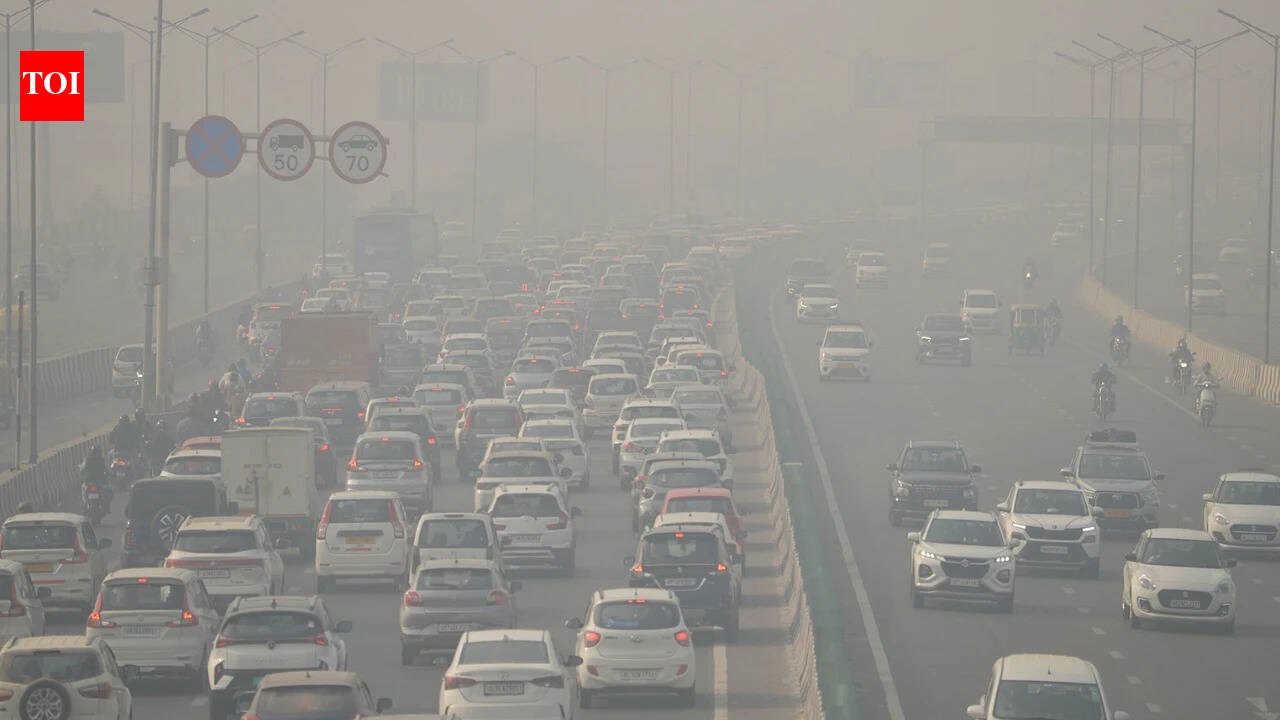
Delhi has implemented GRAP-I as air quality hits the 'poor' category with an AQI of 225. To mitigate pollution, the DMRC is increasing train trips, while the government prepares a comprehensive Winter Action Plan starting November 1.
Delhi Faces Seasonal Air Quality Crisis
As the post-monsoon season shifts toward winter, Delhi has officially entered a period of deteriorating air quality. Following recent Dussehra celebrations, the national capital recorded its first 'poor' air quality day of the season, with the Air Quality Index (AQI) hitting 225. This represents a significant surge from the previous day's reading of 179, highlighting the rapid accumulation of pollutants in the metropolitan atmosphere.
The Invocation of GRAP-I
In response to these worsening conditions, the Commission for Air Quality Management (CAQM) has invoked Stage I of the Graded Response Action Plan (GRAP-I) across Delhi-NCR. This framework is a proactive, multi-stage mechanism designed to prevent air quality from plummeting into the 'severe' category. The current data reveals that while the city-wide average is 'poor,' specific hotspots like Jahangirpuri, Chandni Chowk, and Vivek Vihar have already breached the 300-mark, entering the 'very poor' category, which poses significant health risks to vulnerable populations.
Transit and Infrastructure Adjustments
The Delhi Metro Rail Corporation (DMRC) has moved to support the GRAP-I mandate by increasing its operational capacity. Starting October 22, the DMRC will introduce 20 additional weekday train trips. This strategic move aims to incentivize public transport usage, thereby reducing the reliance on private vehicles, which are major contributors to nitrogen dioxide and particulate matter levels in the city. Furthermore, the DMRC is intensifying dust-control measures at its construction sites, acknowledging that infrastructure development often contributes to localized air degradation.
Comprehensive Winter Action Plan
Looking ahead, the Delhi government has finalized a robust Winter Action Plan slated for implementation from November 1 through February 28. This long-term strategy includes stringent measures such as the prohibition of non-BS-VI vehicles registered outside Delhi from entering the city. By targeting high-emission transit, the government seeks to curb the influx of pollutants from neighboring regions during the critical winter months when atmospheric conditions trap smog at ground level.
Behavioral and Policy Shifts
Beyond vehicle restrictions, the administration is focusing on demand-side management. Planned interventions include doubling parking fees to discourage the use of private cars, implementing staggered office timings to manage peak-hour traffic congestion, and a potential 50% work-from-home mandate for government and private sectors. Additionally, the 'No PUC, no fuel' rule serves as a strict enforcement mechanism to ensure all vehicles on the road are compliant with emission standards.
Conclusion
The combination of immediate GRAP-I measures and the upcoming Winter Action Plan reflects a holistic approach to Delhi’s persistent pollution challenge. While the current AQI of 225 is concerning, the synchronized efforts between the CAQM, DMRC, and the Delhi government indicate a more structured response compared to previous years. The success of these initiatives will depend heavily on public compliance and the rigorous enforcement of vehicle and construction site regulations throughout the winter season.