Hindus, Muslims celebrate festivals of both faiths in this Madurai village
Source Entity
AHAMED ALI
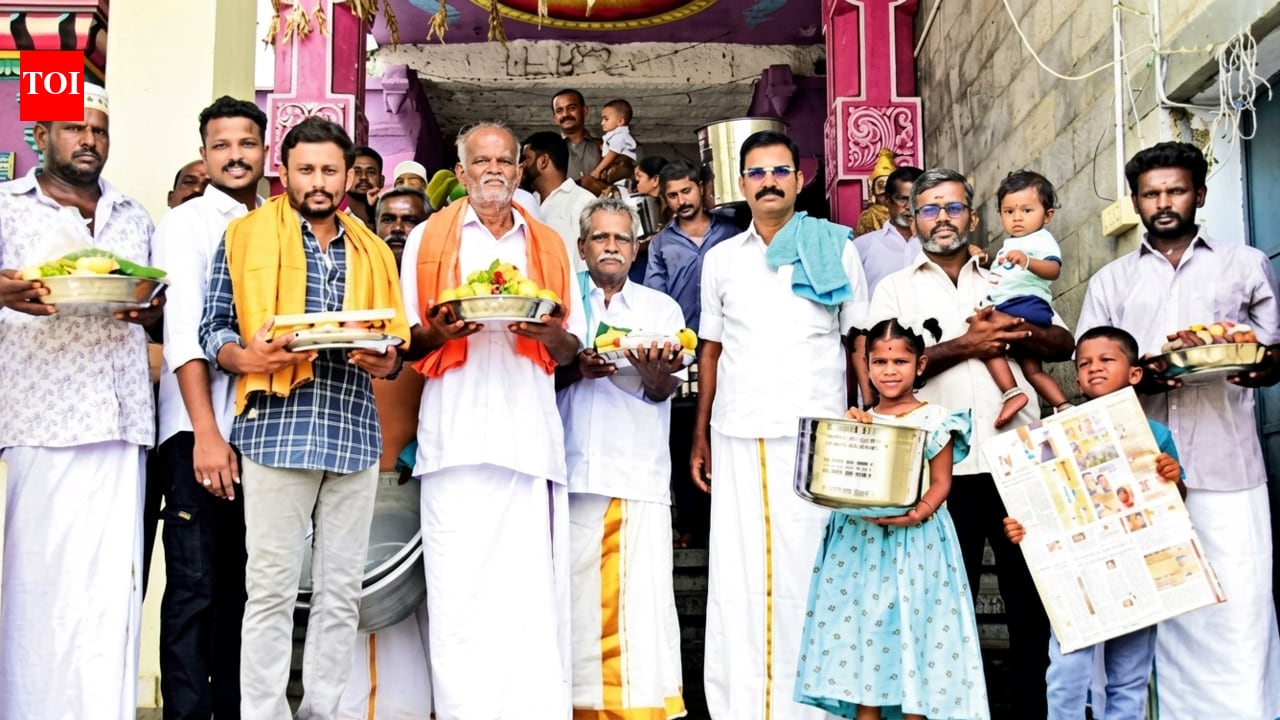
Residents of Thenur village in Madurai demonstrated profound communal harmony by celebrating the inauguration of a renovated mosque together. Hindu villagers presented traditional 'seer varisai' gifts to their Muslim neighbors, reinforcing a long-standing culture of mutual respect and unity.
A Beacon of Communal Harmony in Madurai
The village of Thenur, located near Madurai, has recently become a powerful symbol of interfaith unity. In a remarkable display of communal solidarity, Hindu residents participated in the inauguration of a local, century-old Jumma Masjid that had recently undergone a significant renovation. This gesture was not merely symbolic; it was a deeply ingrained expression of the shared cultural identity that defines this unique rural community.
The Tradition of 'Seer Varisai'
The highlight of the event was the offering of seer varisai—a traditional set of ceremonial gifts—by the Hindu villagers to their Muslim counterparts. These gifts, which included copies of the Quran, metal vessels, storage racks, and a bureau for the local madrassa, were accompanied by an assortment of ten varieties of fruits. This act signifies a departure from superficial coexistence, moving instead toward an active, participatory model of community life where the religious milestones of one group are celebrated as an asset to the entire village.
Historical Context and Social Progress
Thenur has long maintained a reputation for progressive social initiatives, having previously implemented a self-imposed ban on the sale of alcohol and tobacco products. This proactive approach to community health and social order likely serves as a foundation for the current religious harmony. By fostering an environment where collective welfare is prioritized, the villagers have created a social fabric resilient enough to withstand the broader pressures of sectarian division often seen in other parts of the country.
The Role of Shared Festivals
Beyond this singular event, the villagers of Thenur reportedly engage in a year-round cycle of shared religious practices and contributions during festivals. This habit of mutual participation acts as a preventative measure against prejudice, as residents are accustomed to viewing their neighbors through the lens of shared experience rather than religious difference. The community feast that followed the mosque inauguration served as the culmination of this ethos, reinforcing the bonds of brotherhood that define the village.
Broader Implications and Future Trends
In an era where communal tensions frequently dominate headlines, the example set by Thenur provides a vital counter-narrative. It suggests that at the grassroots level, rural Indian communities retain a capacity for secular integration that is often overlooked in national discourse. If such models are studied and replicated, they could provide a roadmap for maintaining social stability in diverse regions, proving that unity is not just an ideal, but a sustainable practice of daily life.
Conclusion
The story of Thenur is a testament to the enduring strength of human connection. By choosing to support the renovation of a place of worship, the Hindu residents have not only honored their neighbors but have also strengthened the social contract of their village. As the community continues to move forward, this spirit of mutual respect remains the most effective tool they possess for ensuring peace and prosperity for future generations.