Delhi Air Quality Worsens, AQI Crosses 400 As Many Areas Hit 'Severe' Category
Source Entity
NDTV News Search Records Found 1000
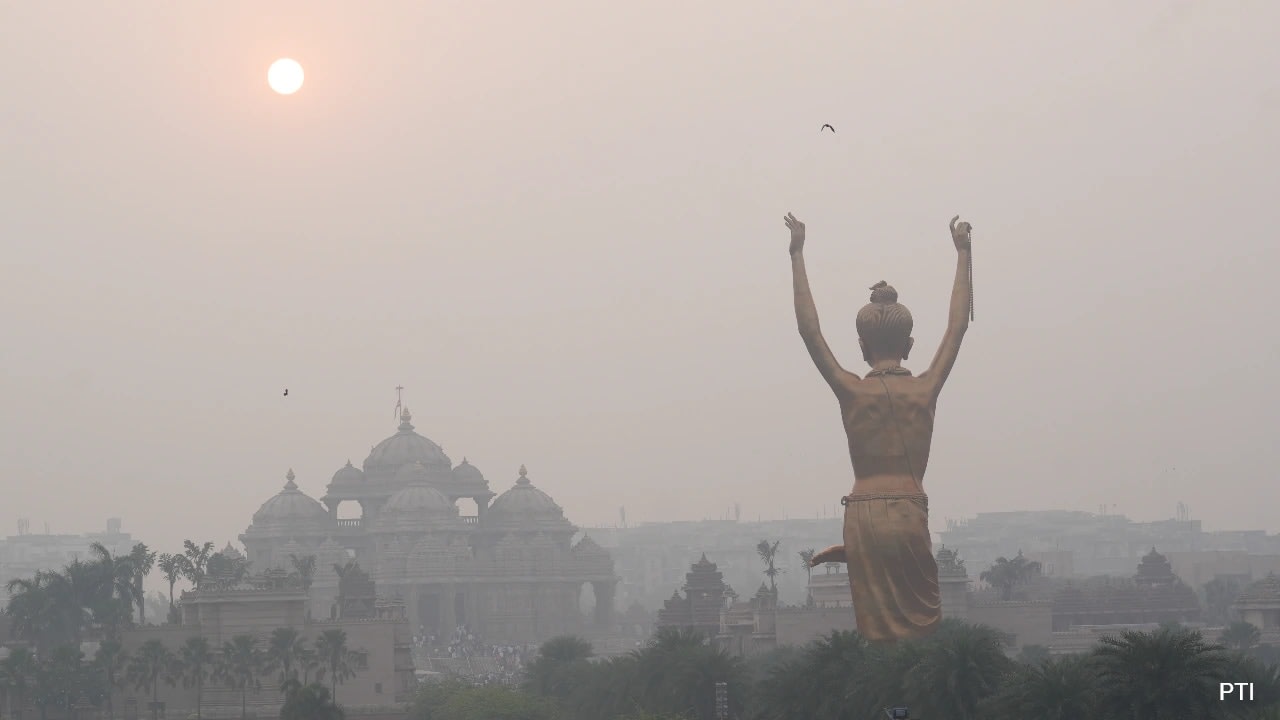
Delhi's air quality has deteriorated significantly, with the overall AQI crossing the 400 threshold into the 'severe' category. While some areas like Akshardham Temple recorded an AQI of 365, the broader city-wide average indicates a widespread public health crisis.
Delhi Faces Severe Air Quality Crisis
Delhi is currently grappling with a critical environmental challenge as air quality levels have plummeted, with the overall Air Quality Index (AQI) crossing the 400 mark. This threshold signifies a 'severe' category of pollution, which poses significant health risks to the general population, particularly vulnerable groups such as children, the elderly, and those with pre-existing respiratory or cardiovascular conditions. The rapid decline in air quality has prompted urgent concern among health officials and environmental experts.
Localized Variations in Pollution Levels
While the city-wide average has hit the severe mark, data indicates that air quality remains highly variable across different neighborhoods. For instance, the area surrounding the Akshardham Temple has registered an AQI of 365. While this is technically classified as 'very poor' rather than 'severe' on the national scale, it underscores the pervasive nature of the pollution blanket covering the capital. The discrepancy between local readings often depends on micro-climatic conditions, traffic density, and proximity to major construction or industrial zones.
Broader Implications for Public Health
When AQI levels exceed 400, the impact on public health is profound. Medical professionals advise that healthy individuals may experience respiratory discomfort, while those with underlying conditions are at risk of severe health complications. The current situation necessitates the implementation of emergency response measures, which typically include restrictions on construction activities, the prohibition of heavy vehicle movement, and advisories for citizens to minimize outdoor exposure during peak pollution hours.
Historical Context and Seasonal Trends
This spike in pollution is a recurring phenomenon in Delhi, often exacerbated during the winter months. Historical data suggests that a combination of meteorological factors—such as low wind speeds and temperature inversions—traps pollutants near the ground level. These conditions, combined with regional emissions, create a compounding effect that makes it increasingly difficult for the city to maintain breathable air standards throughout the colder season.
Future Outlook and Policy Challenges
Looking ahead, the persistent nature of Delhi's air quality crisis highlights the limitations of existing mitigation strategies. Experts argue that moving forward, the city must focus on long-term systemic changes, including the electrification of public transport, stricter enforcement of industrial emission norms, and regional coordination to address sources of pollution outside the immediate city limits. Until these systemic reforms are fully realized, residents are likely to continue facing seasonal cycles of 'severe' air quality, making immediate crisis management and long-term planning equally vital.
Verification Required?