How Yamuna takes centre stage every Chhath Puja
Source Entity
ROHITASHWA RANJAN
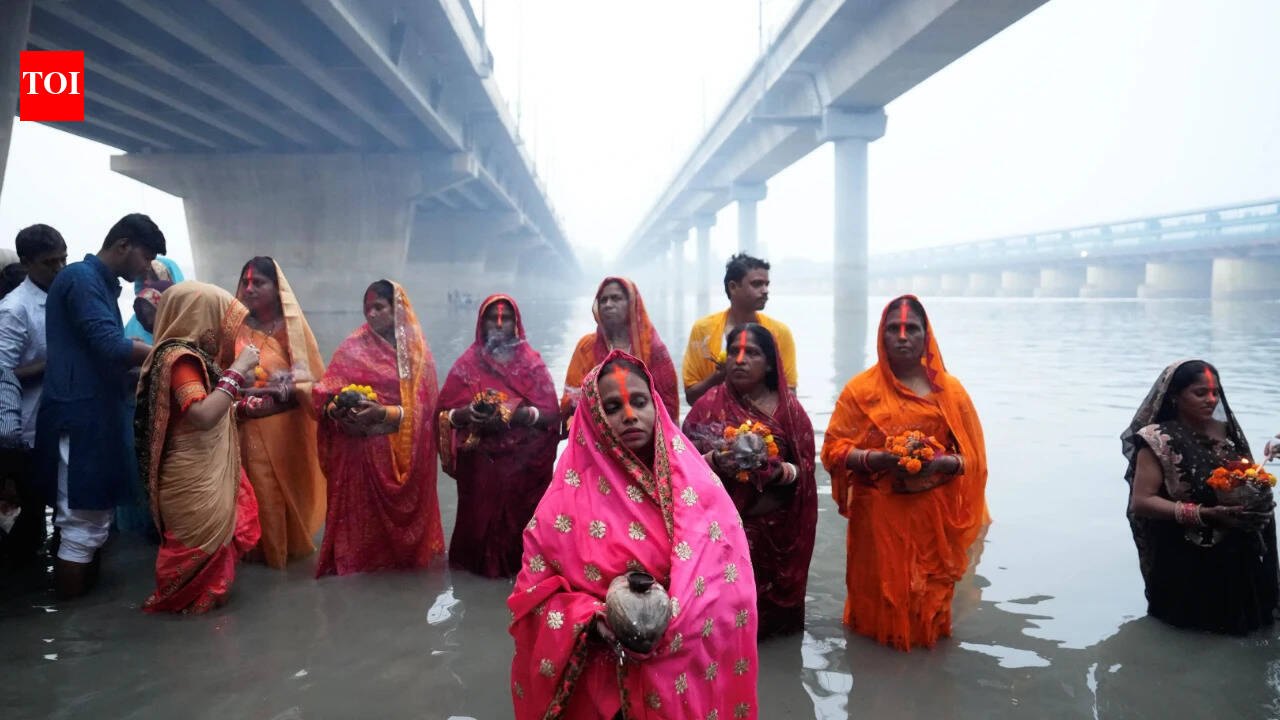
Delhi is preparing 1,482 ghats for the four-day Chhath Puja festival, with authorities implementing traffic restrictions near the Yamuna river. The event highlights the intersection of cultural observance, urban infrastructure management, and political significance in the capital.
Delhi Transforms for Chhath Puja: An Urban Overview
Delhi is currently in the midst of a significant cultural transformation as the four-day Chhath Puja festival proceeds, with the capital city preparing 1,482 designated ghats for devotees. This monumental logistical undertaking reflects the deep-rooted cultural importance of the festival, which began on Friday and is scheduled to conclude this coming Monday. The preparation of these sites involves extensive infrastructure efforts, including the installation of bamboo barricades, the creation of vibrant murals, and the setup of temporary tents to accommodate the massive influx of worshippers.
Traffic Management and Public Safety
To manage the logistics of such a large-scale event, the Delhi Traffic Police have issued a comprehensive advisory regarding road restrictions. Specifically, the department has warned of regulated traffic flow near Yamuna ghats, with significant impact expected between 2:00 PM on November 15 and 8:00 AM on November 16. Roads leading to and adjoining major sites—including Ram Ghat, Soor Ghat, Bajrangi Ghat in Wazirabad, Vasudev Ghat near ISBT, and Hathi Ghat in the IP Estate area—will be subject to need-based regulation to ensure the safety of the thousands of devotees expected to congregate.
The Yamuna River as a Focal Point
The Yamuna River remains the symbolic and physical heart of Chhath Puja in Delhi. However, its role is complex; the river often faces scrutiny during this time due to recurring environmental issues, such as the formation of froth. This phenomenon has sparked ongoing discussions regarding the health risks posed to devotees who enter the water for ritual prayers. The environmental state of the river remains a critical point of concern for both citizens and municipal authorities as they balance religious tradition with public health safety.
The Intersection of Culture and Politics
Beyond its religious significance, Chhath Puja has evolved into a prominent political event within the capital. As the festival gains scale, it has naturally become a focal point for political engagement, where government bodies and political parties vie to demonstrate their support for the migrant population and the broader community that observes the rituals. The annual preparation of ghats is often viewed through a political lens, reflecting the importance of the demographic that observes Chhath in Delhi’s electoral and social landscape.
Future Trends and Urban Challenges
Looking ahead, the evolution of Chhath Puja in Delhi suggests a trend toward more formalized and regulated urban religious events. As the city grows and the number of devotees increases, the pressure on municipal services to provide safe, accessible, and clean environments for prayer will likely intensify. The coordination between the Delhi Traffic Police and civic bodies serves as a blueprint for how the city may handle similar large-scale cultural gatherings in the future, highlighting the necessity of integrated urban planning and public health monitoring.
Multiple Citing Sources