Delhi Air Remains 'Very Poor' On Diwali Eve, Likely To Worsen Tomorrow
Source Entity
NDTV News Search Records Found 1000
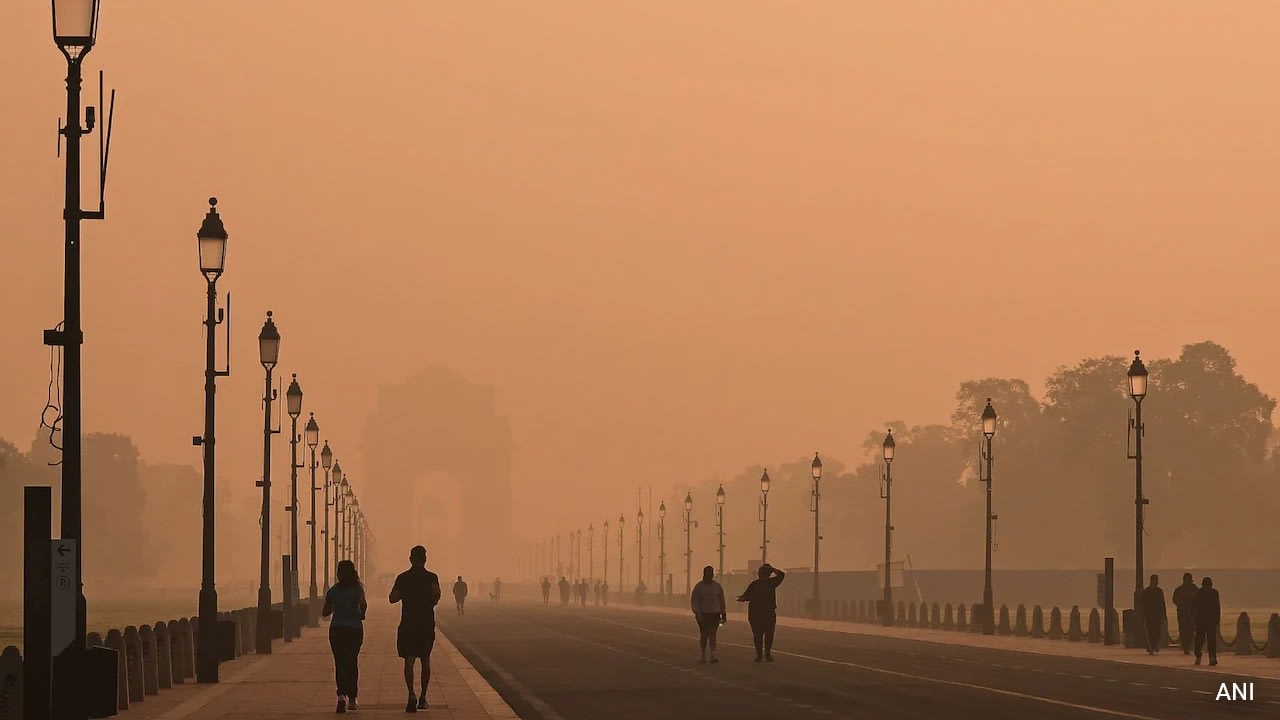
Delhi is grappling with its worst air quality in a decade this Diwali, as a combination of record farm fires and calm wind conditions push the city into the 'severe' pollution category. Monitoring stations across the capital show hazardous PM2.5 levels, with experts warning of continued toxic conditions.
Delhi’s Atmospheric Crisis: A Decade-High Pollution Surge
Delhi has begun this year’s Diwali festival under a thick, toxic blanket of smog, marking the worst air quality conditions observed on the eve of the festival in a decade. As of Sunday, November 8, the Central Pollution Control Board (CPCB) reported an overall Air Quality Index (AQI) of 383, teetering on the brink of the 'severe' classification, which is defined as an AQI exceeding 400. This environmental crisis is not merely a seasonal fluctuation but a profound public health emergency exacerbated by a convergence of meteorological and anthropogenic factors.
The Anatomy of the Pollution Spike
The current degradation of air quality is being driven by a 'perfect storm' of events. Data from ISRO satellites indicates that farm fires in the neighboring states of Punjab and Haryana have reached their highest frequency of the season, maintaining a 10-day upward trajectory. These emissions, combined with the traditional surge in firecracker usage during Diwali, have overwhelmed the city’s atmospheric capacity to disperse pollutants. The situation was further aggravated on the eve of the festival when residential hubs like Punjabi Bagh witnessed PM2.5 levels nearly triple within a single hour, illustrating the immediate impact of localized emission sources.
Meteorological Constraints and Dispersion Failures
Beyond human-driven emissions, the region is struggling with unfavorable weather patterns. Weak, calm winds have failed to flush out the particulate matter, effectively trapping pollutants within the city's basin. Meteorological forecasts suggest that these stagnant conditions will persist, ensuring that the air quality remains locked in the 'severe' category through November 9. When wind speeds drop, particularly after sunset, the vertical mixing of air is inhibited, leading to the rapid accumulation of hazardous particles at ground level.
Geographical Distribution of Hazard Zones
Analysis of the 54 monitoring stations across the capital reveals a widespread failure of air quality standards. Nearly half of these stations—24 in total—have already crossed the threshold into the 'severe' category. High-density areas are suffering disproportionately: Jahangirpuri recorded an alarming AQI of 450, closely followed by RK Puram at 448 and Bawana at 446. Even iconic landmarks such as India Gate are reporting 'very poor' air quality at 398, underscoring that no corner of the national capital is immune to the current atmospheric toxicity.
Broader Implications and Future Trends
The trajectory of Delhi’s air quality remains deeply concerning. The historical context provided by the decade-long data indicates a recurring failure to mitigate the impact of post-harvest crop burning and festive emissions. As urban density continues to rise, the city faces an increasing challenge in managing air quality during the winter months when temperature inversions and low wind speeds are common. Without significant policy interventions to address the root causes—namely the agricultural burning cycles and emission controls—the trend points toward a future where 'severe' air quality becomes the standard, rather than the exception, during the festival season.
Multiple Citing Sources
Verification Required?