Hindu Boy's Family Sues UK School For 25,000 Pounds After Ban On 'Tilak'
Source Entity
NDTV News Search Records Found 1000
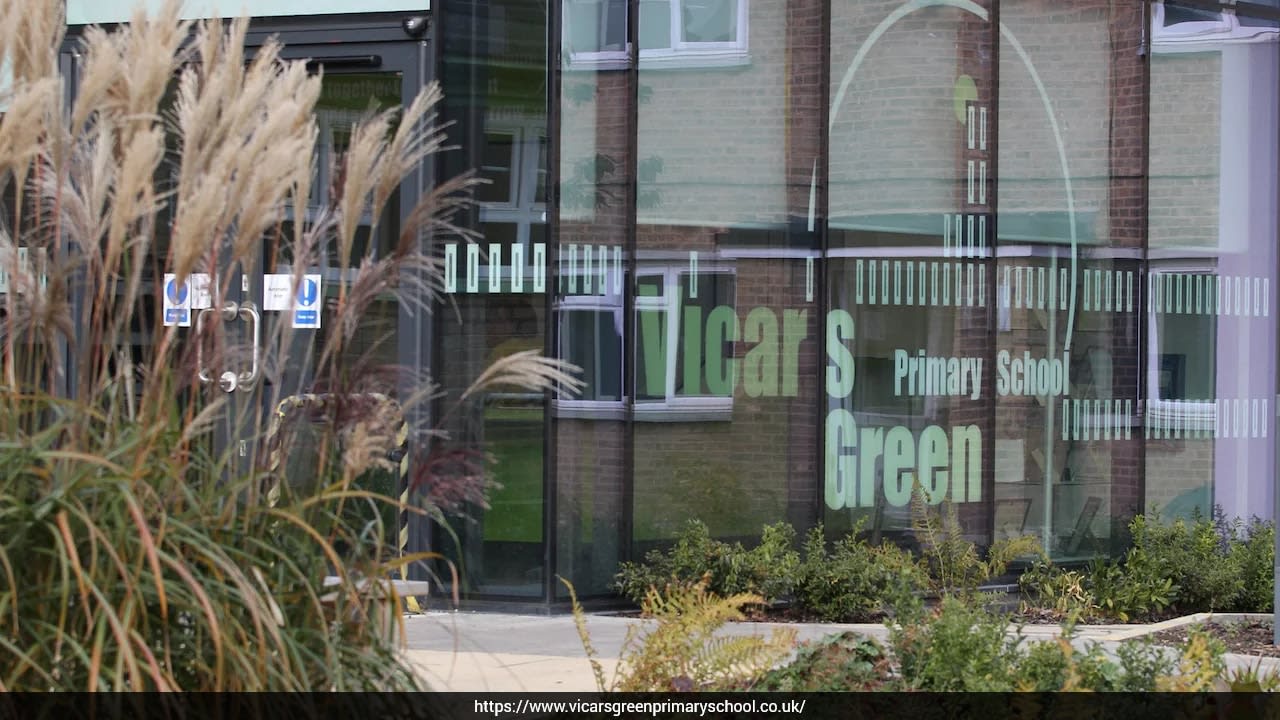
A Hindu family is suing the UK's Vicar's Green Primary School for £25,000 after the institution banned their son from wearing a religious 'tilak'. The legal challenge centers on allegations of discrimination and the infringement of religious expression within a secular educational setting.
Legal Challenge Over Religious Expression in UK Schools
A significant legal dispute has emerged involving a Hindu family and the governing body of Vicar's Green Primary School in the United Kingdom. The family has initiated a lawsuit seeking £25,000 in damages, alleging that the school acted improperly by enforcing a ban on their son wearing a 'tilak'—a traditional religious mark worn on the forehead. This case brings to the forefront the ongoing tension between institutional uniform policies and the individual rights of students to manifest their religious identity in a public space.
Understanding the Significance of the Tilak
The 'tilak' is a deeply significant symbol in Hindu tradition, often representing spiritual devotion, auspiciousness, or sect affiliation. For the family involved, the restriction of this practice is not merely a matter of dress code but a challenge to their fundamental right to religious expression. By taking the matter to court, the parents are highlighting the importance of cultural and religious sensitivity in educational environments that claim to be inclusive and diverse.
The Role of School Uniform Policies
Schools in the UK frequently maintain strict uniform policies designed to foster a sense of equality and discipline. However, these policies often collide with the diverse religious requirements of a multicultural student body. The governing body of Vicar's Green Primary School must now defend its decision-making process, specifically whether the prohibition of the tilak constitutes a reasonable requirement for maintaining order or if it unfairly targets a specific religious practice, potentially violating equality legislation.
Broader Implications for Religious Liberty
This litigation serves as a litmus test for how British educational institutions balance secular administrative rules with the legal protections afforded to religious minorities. If the court finds in favor of the family, it could set a precedent that forces schools to adopt more flexible uniform policies that explicitly accommodate religious markers. Conversely, a ruling in favor of the school could empower institutions to maintain rigid policies, potentially discouraging students from displaying outward symbols of their faith.
Future Trends in Educational Governance
As the UK continues to grapple with issues of integration and identity, this case is likely to influence future policy-making within school districts. Educational leaders will be watching the outcome closely to understand the boundary between legitimate school authority and the encroachment upon personal freedom. The outcome will likely necessitate a broader review of how schools communicate and implement their equality policies to avoid similar legal and social backlash in the future.
Verification Required?