US sanctions Canadian money-exchange firms over Iran ties
Source Entity
Cointelegraph by Michael Millard
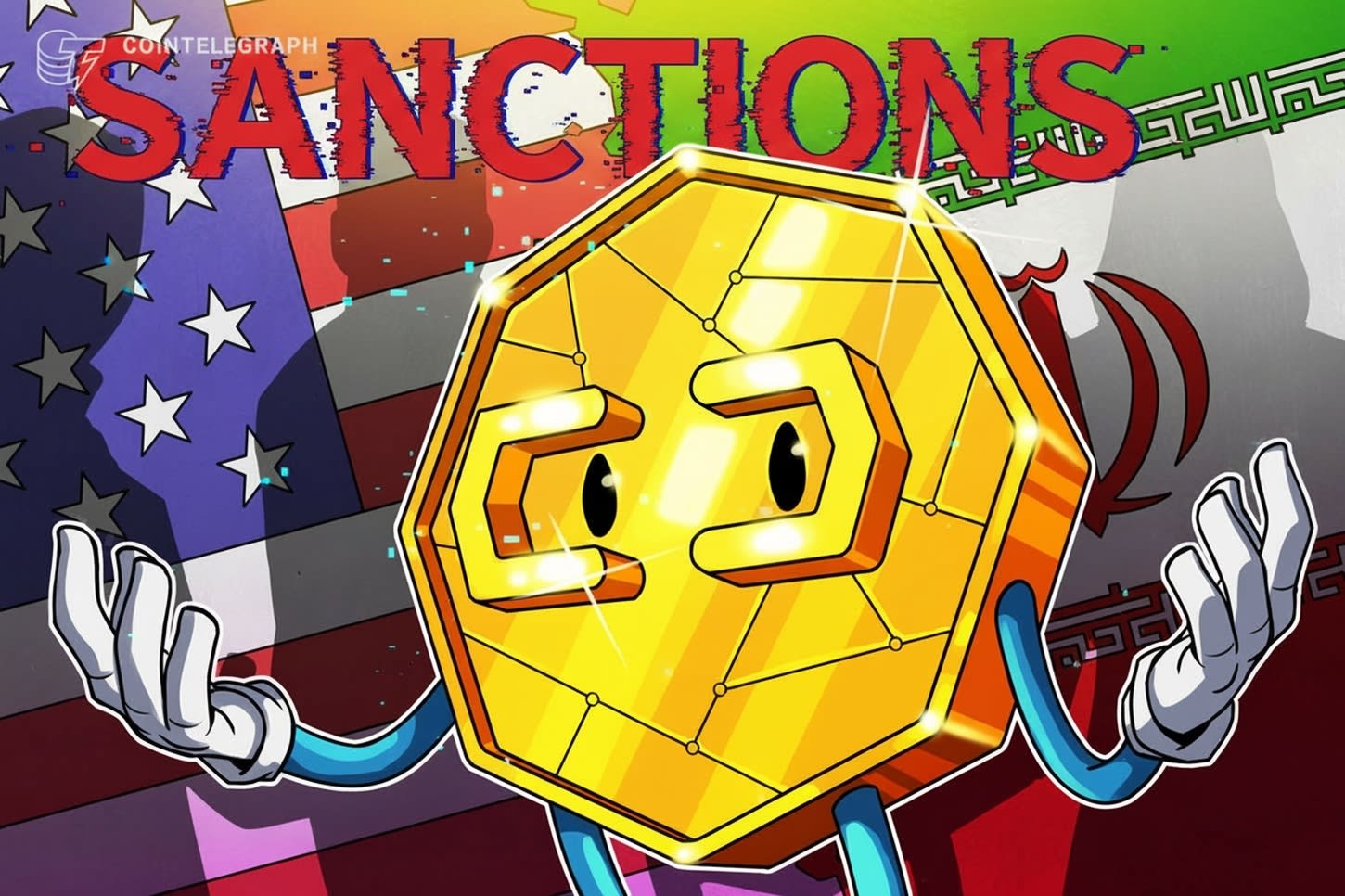
The United States has launched a $20 million reward program for intelligence on Iran's nuclear activities while simultaneously sanctioning Canadian firms for facilitating illicit financial transactions. These actions represent a dual-track strategy to disrupt Iran's nuclear development and isolate its financial networks through international pressure.
The Strategic Escalation: US Pressure on Iran's Nuclear Ambitions
A Multi-Pronged Intelligence Initiative
The United States government has launched a high-stakes intelligence initiative, offering a reward of up to $20 million for actionable information regarding Iran’s nuclear program. This announcement, supported by the State Department, specifically targets critical components of the program, including secret facilities, specialized equipment, and the personnel driving these operations. By offering potential relocation for informants, the US is signaling a concerted effort to bypass traditional diplomatic channels and penetrate the internal security architecture of Iran's nuclear infrastructure.
Disrupting the Financial Lifelines
Simultaneous to the intelligence bounty, the US Treasury Department has escalated its economic warfare by imposing sanctions on eight Canadian money-service businesses. These firms are accused of facilitating currency exchanges for sanctioned Iranian entities, effectively bridging the gap between the Iranian rial and digital assets. By cutting these companies off from the dollar-based global financial system, Washington aims to dismantle the nodes that allow Iran to circumvent international sanctions and fund its strategic objectives.
The Role of Digital Assets and IRGC Ties
A core component of the Treasury’s recent action is the linkage between these Canadian firms and the Islamic Revolutionary Guard Corps (IRGC). According to US officials, these companies processed transactions for digital asset exchanges connected to the IRGC. This highlights a growing trend where traditional financial regulation is being adapted to monitor and block the use of cryptocurrency in state-sponsored sanctions evasion, marking a shift in how the US enforces its global economic policy.
Diplomatic Paradoxes and Negotiations
Despite these aggressive measures, the US maintains that diplomatic efforts are ongoing to mitigate tensions and prevent further military escalation. Iran has publicly indicated a willingness to engage in negotiations, though it maintains that specific conditions must be met before formal dialogue can proceed. This creates a complex geopolitical environment where economic pressure and intelligence gathering operate in parallel with, and sometimes in opposition to, the desire for a negotiated resolution.
Future Implications and Regional Stability
The combination of monetary incentives for whistleblowers and the systemic isolation of financial facilitators suggests a long-term strategy of attrition. By targeting both the technical knowledge base of the nuclear program and the financial networks that sustain it, the US is attempting to increase the cost of Iran’s nuclear pursuits. Looking forward, the success of these measures will depend on the effectiveness of US oversight on international financial entities and the willingness of regional actors to comply with these stringent enforcement actions, potentially shaping the future of Middle Eastern security dynamics.
Multiple Citing Sources