Delhi AQI at 370 today, 10 monitoring stations record ‘severe’ pollution
Source Entity
The Indian Express
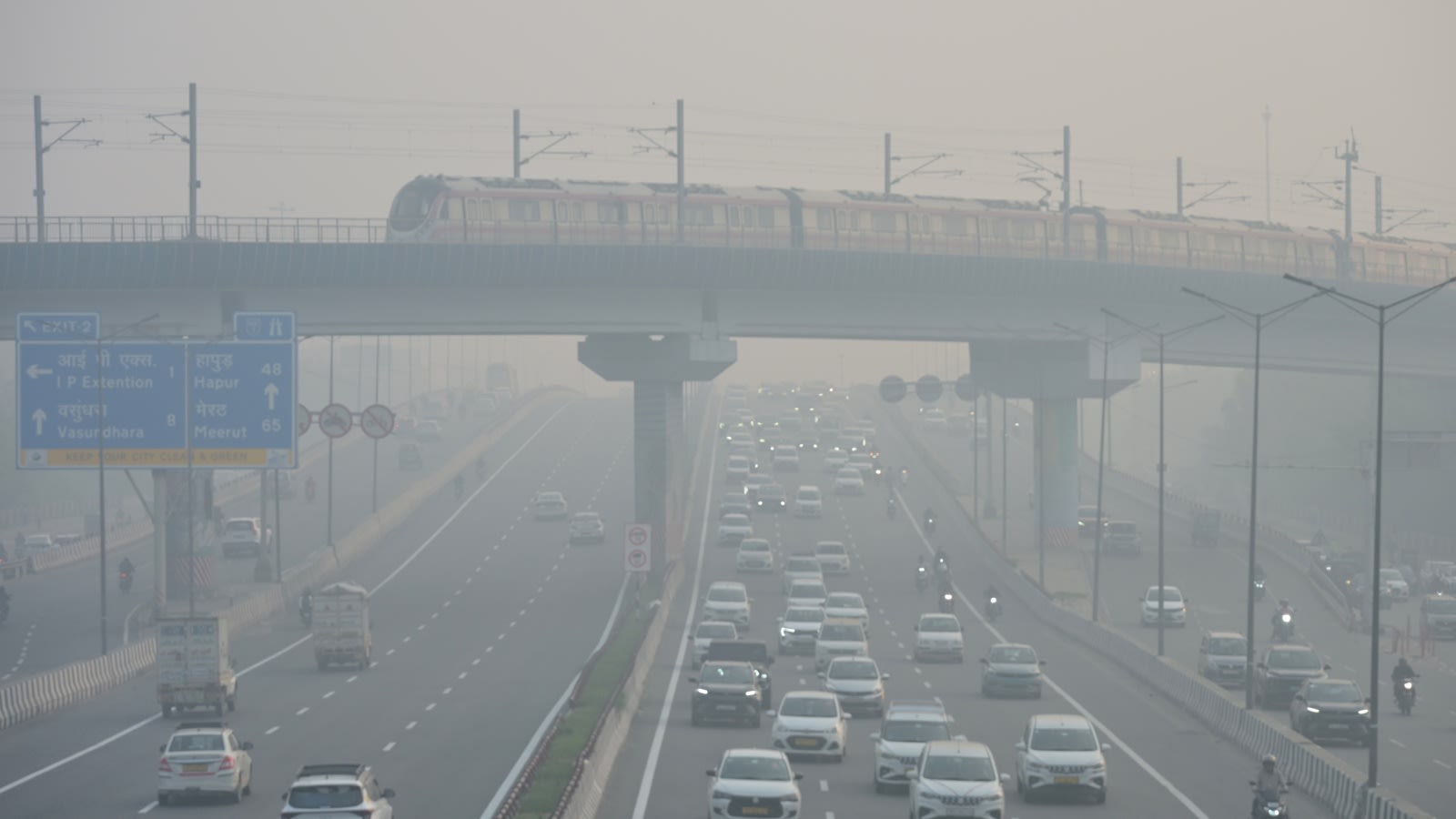
Delhi's air quality has reached critical levels with an AQI of 377, driven by a surge in stubble burning and local emissions. The CAQM has responded by issuing show cause notices to district officials in Punjab for failing to curb farm fires.
The Air Quality Crisis in Delhi: A Systemic Failure
Delhi is currently facing an escalating public health crisis as the Air Quality Index (AQI) climbs toward the severe category, reaching 377 and hitting as high as 482 in specific monitoring stations. This deterioration is not merely a seasonal occurrence but a complex interplay of local emissions and transboundary pollution, specifically the surge in paddy stubble burning in neighboring Punjab.
Regulatory Crackdown and Accountability
The Commission for Air Quality Management (CAQM) has taken a decisive, albeit reactive, stance by issuing show cause notices to deputy commissioners (DCs) and senior superintendents of police (SSPs) across nine Punjab districts. By targeting administrative and law enforcement leadership in areas like Jalandhar, Bathinda, and Amritsar, the commission is attempting to enforce accountability for the non-compliance of stubble burning bans. This represents a significant shift from general policy directives to direct regulatory pressure on local authorities.
The Impact of Stubble Burning
Data indicates that the contribution of stubble burning to Delhi's overall pollution profile has doubled in a single day, spiking from 8.2% to 16.2%. This external factor, when combined with local emission sources—which currently account for 31% of the total pollution—creates a suffocating environment for the capital. The reliance on meteorological conditions to disperse these pollutants is failing, as current weather patterns are trapping particulate matter, causing the AQI to inch closer to 'severe' levels.
Public Health Implications
The human cost of this crisis is becoming increasingly visible at major medical institutions. Healthcare professionals at facilities like AIIMS have reported a marked increase in respiratory ailments among patients. The concentration of severe AQI levels in high-traffic and high-density areas like Nauroji Nagar and the AIIMS vicinity highlights the immediate danger to the public, particularly vulnerable populations such as children and the elderly.
Future Trends and Challenges
Looking ahead, the situation is precarious. With forecasts suggesting a further spike into the severe category by Friday, the efficacy of the CAQM’s notices remains to be seen. The challenge lies in the fact that 69% of Delhi’s pollution currently originates from sources outside the city, making local mitigation efforts insufficient without robust interstate cooperation. Unless there is a drastic reduction in farm fires and a shift in wind patterns, the capital is likely to remain under a blanket of hazardous smog for the foreseeable future.
Conclusion
The crisis serves as a stark reminder of the limitations of current environmental governance. While administrative action against district officials is a necessary step toward enforcement, the systemic nature of the pollution requires a long-term strategy that addresses the economic incentives for farmers to burn stubble and the persistent issue of urban local emissions.
Multiple Citing Sources