Sharp merger, outdated plan are choking Delhi’s new Barapullah flyover
Source Entity
Sakshi Chand
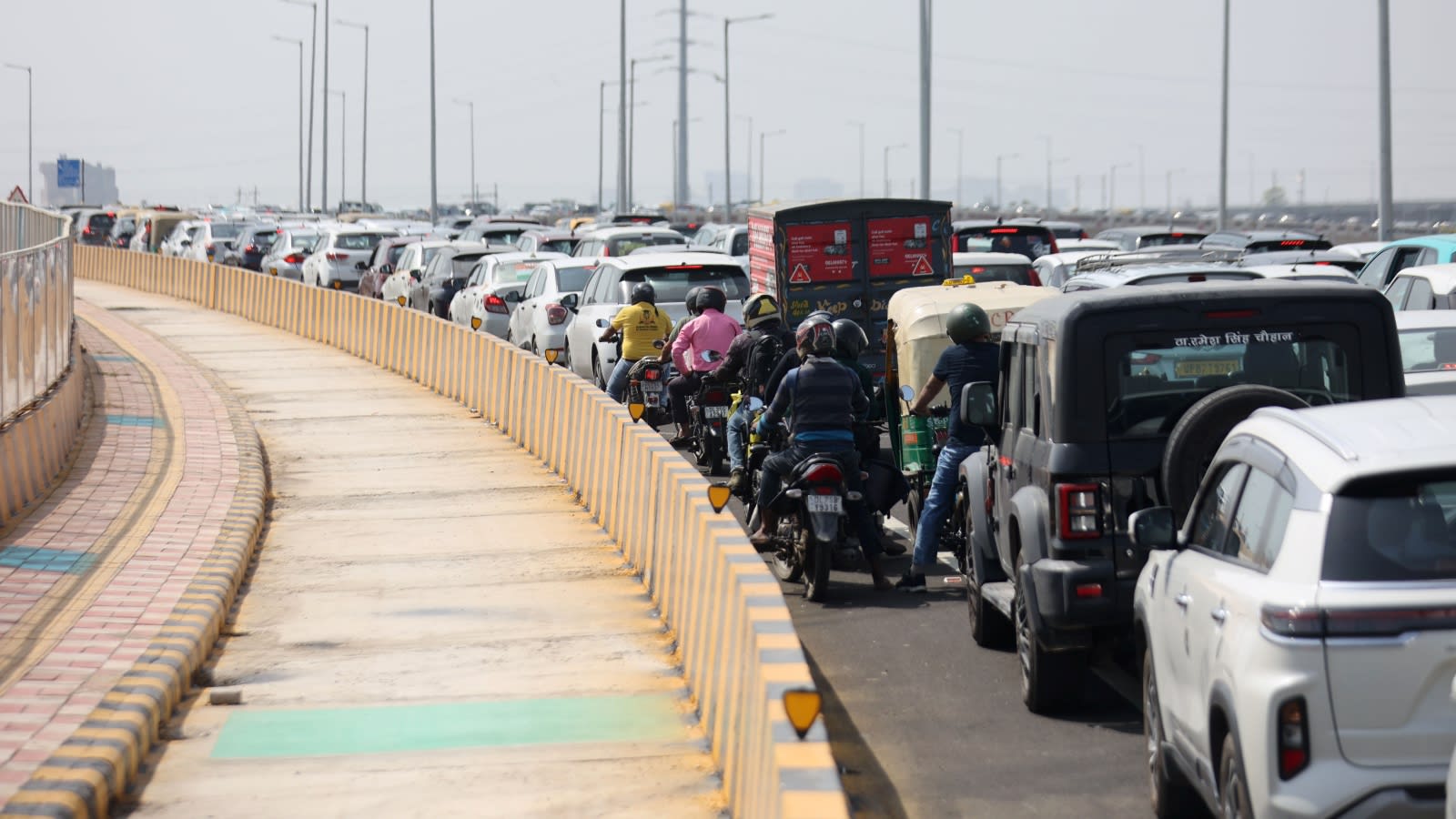
The opening of Delhi's Barapullah Phase III corridor has triggered severe traffic bottlenecks at Sarai Kale Khan due to poor design and capacity mismatches. Local residents, particularly in Siddharth Extension, face further disruption as key access loops have been closed to manage the resulting chaos.
The Barapullah Phase III Infrastructure Crisis
The inauguration of the Barapullah Phase III elevated corridor in Delhi, intended to alleviate congestion, has instead precipitated a logistical crisis. Reports indicate that traffic from Mayur Vihar, the Sundial loop, and the DND flyway converges at Sarai Kale Khan, where the infrastructure abruptly transitions into the narrower, pre-existing Barapullah flyover. This design oversight has created a dangerous and inefficient bottleneck, effectively nullifying the time-saving benefits the new corridor was designed to provide.
The Anatomy of a Bottleneck
According to joint inspections conducted by the Delhi Traffic Police and the Public Works Department (PWD), the primary culprit is a sharp, poorly planned merger point. The disparity in road capacity—where a high-volume new corridor feeds into a significantly narrower legacy structure—has resulted in long queues that impede traffic flow not only on the new flyover but across the surrounding arterial roads of Sarai Kale Khan. This highlights a recurring issue in urban planning where new infrastructure projects fail to account for the constraints of existing legacy systems.
Structural Limitations and Oversight
Beyond the immediate physical bottleneck, officials have signaled a more systemic issue: the traffic pattern models used during the planning phase of the project appear to be outdated. By failing to project accurate vehicular growth and flow dynamics, the infrastructure is already struggling to handle the load just days after its launch. This suggests a failure in long-term urban forecasting, which could necessitate costly retrofitting or significant policy shifts to manage current transit volumes.
Cascading Effects on Local Communities
While commuters suffer on the main arteries, the local impact has been equally severe. Residents of Siddharth Extension, particularly in the B and C pockets, have lost access to a critical ramp that previously served as their primary route to south and central Delhi. Initially, authorities implemented temporary closures during peak hours (8am to 11am), but the overwhelming surge in traffic has forced a complete, round-the-clock closure of this loop to prioritize main-line traffic flow.
Broader Implications for Delhi's Transit
This situation serves as a cautionary tale for the National Capital Region (NCR) regarding the integration of new transit projects into dense urban environments. The closure of local access points to compensate for poor design on major corridors is a zero-sum game that penalizes residents for the failures of broader infrastructure planning. As Delhi continues to expand, the lack of seamless connectivity between new corridors and existing neighborhoods will likely remain a significant challenge for urban mobility.
Future Outlook and Policy Needs
Moving forward, the PWD and traffic authorities must move beyond stop-gap measures like loop closures. Long-term solutions likely require either the expansion of the existing narrow flyover segments or a radical overhaul of the traffic management plan at the Sarai Kale Khan junction. Without a comprehensive review of the current traffic patterns and an investment in infrastructure that matches modern demand, the Barapullah Phase III corridor risks becoming a permanent site of congestion rather than a solution for Delhi’s commuters.