Women in Munich Oktoberfest given free shorts to prevent upskirting
Source Entity
RAJEEV SINGH
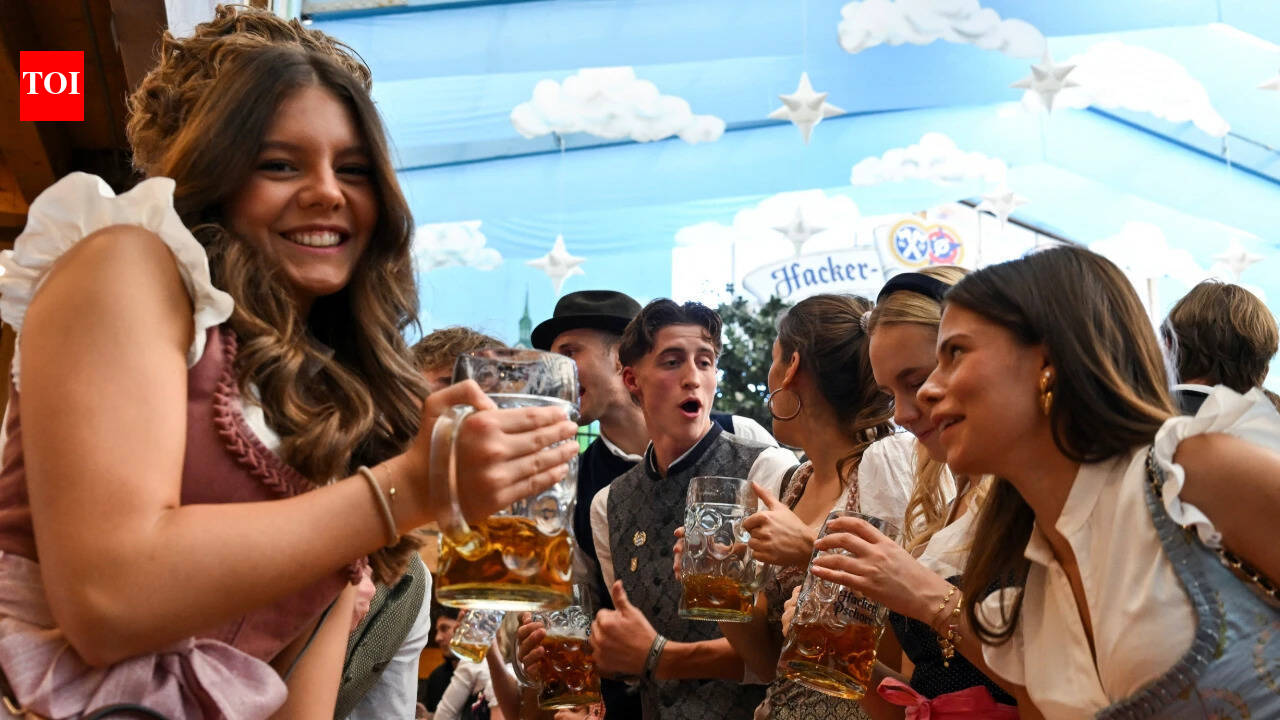
Munich's Oktoberfest is addressing a voyeurism crisis on the 'Teufelsrad' ride by providing free cycling shorts to female participants. This move follows the circulation of thousands of non-consensual videos showing riders in vulnerable positions.
The Teufelsrad Controversy: Protecting Dignity at Oktoberfest
The iconic Teufelsrad, or 'Devil's Wheel,' is a cornerstone of Munich's Oktoberfest history, beloved for its simple, physics-defying thrill. As a spinning platform designed to eventually eject riders, the ride naturally causes clothing to shift. However, this traditional attraction has recently become the epicenter of a disturbing digital trend: the non-consensual recording and dissemination of voyeuristic content targeting female participants.
The Scale of the Digital Exploitation
According to reports from the Süddeutsche Zeitung, the scale of this issue is staggering, with at least 32,000 videos featuring women on the ride currently circulating online. Some of these clips have garnered millions of views, highlighting a massive audience for this invasive content. Perhaps most alarming is the report from BR indicating that some of these images have been digitally manipulated to depict women as naked, escalating the harm from mere voyeurism to targeted digital sexual violence.
Intervention and Protective Measures
In response to the viral nature of these recordings, the ride’s operators have taken the proactive step of offering free cycling shorts to female riders. This initiative aims to provide a physical barrier, ensuring that even when skirts or dirndls fly up during the ride's centrifugal motion, the participants remain covered and their privacy is protected. This measure serves as a practical, immediate solution to a problem that has outpaced existing social norms for festival conduct.
Broader Implications for Public Spaces
This situation underscores the growing tension between traditional public celebrations and the omnipresence of smartphone technology. The Teufelsrad, which has operated for decades as a harmless bit of fun, has been weaponized by digital voyeurs who exploit the ride's mechanics to produce 'content' for global consumption. The necessity of distributing protective clothing to festival-goers is a stark indictment of how digital platforms facilitate the harassment of women in real-world environments.
Regulatory Responses and Future Trends
The intervention by the ride operators is being supported by increased police vigilance and stricter rules for influencers at the festival. Law enforcement agencies are now tasked with monitoring behavior that was previously considered 'part of the ride' but is now recognized as a violation of personal privacy. As Oktoberfest continues to evolve, we can expect to see more stringent policies regarding photography and videography in public spaces, as organizers move to reclaim the festival as a safe environment for all attendees.
Conclusion
The crisis at the Teufelsrad serves as a modern cautionary tale regarding the intersection of entertainment and privacy. While the distribution of cycling shorts is a commendable step toward mitigation, it highlights the deeper societal challenge of curbing non-consensual digital media. Ultimately, the future of such rides will depend on the ability of organizers and law enforcement to effectively police both the physical platform and the digital spaces where this harmful content thrives.