'Women should wear niqab, killing Jews': What Omani co-pilot's deleted posts reveal
Source Entity
VIVEK DUBEY
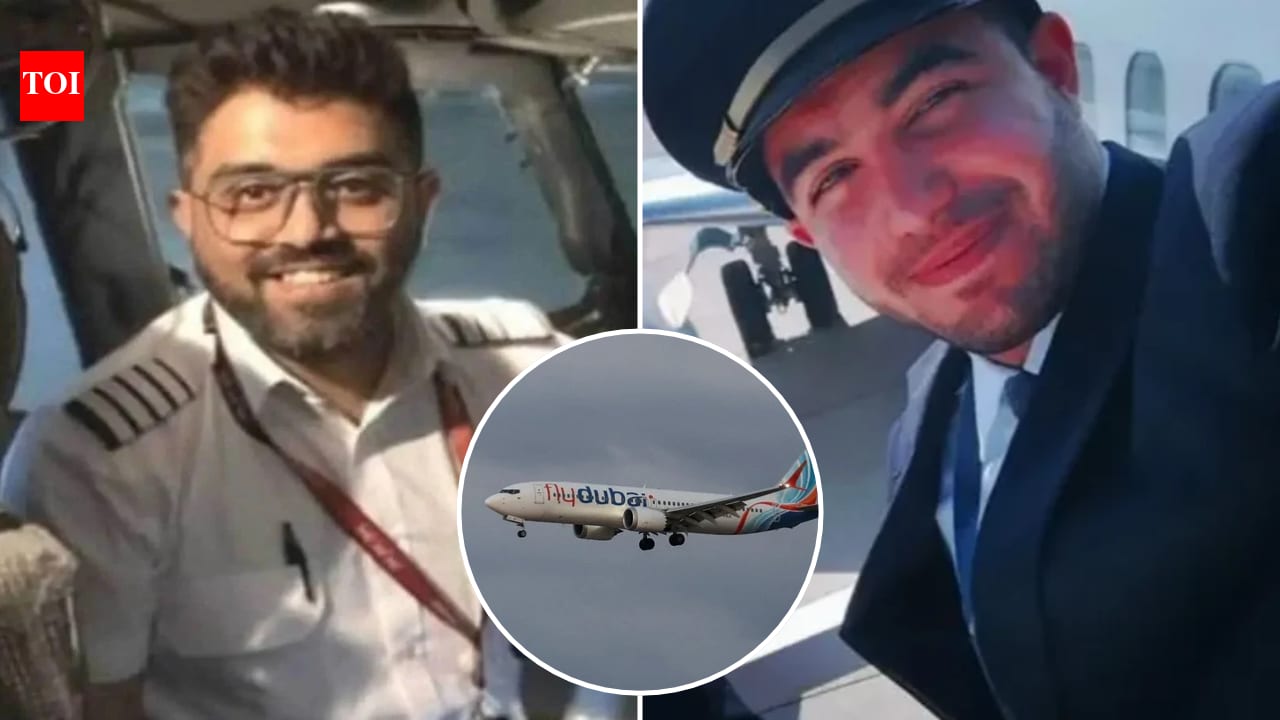
Flydubai co-pilot Hamam Alhamami is under investigation for a suspected terror attack against his captain during a flight to Tel Aviv. Previously barred from flying in Oman due to extremist views, he now faces a potential extradition request from Israel.
The Flydubai Incident: A Deep Dive into Aviation Security and Radicalization
The Incident and Identification
The aviation industry is currently reeling from a serious security breach involving a flydubai flight en route to Tel Aviv. The co-pilot, identified as Omani national Hamam Alhamami, has been accused of attempting to physically attack the captain, identified as Captain Smit Machchhar. This alarming mid-flight incident has triggered an international investigation, casting a spotlight on the screening processes for flight crew in the Middle East and the potential for radicalized individuals to infiltrate critical aviation infrastructure.
Historical Context: The Omani Connection
Investigations have revealed that Alhamami was not an unknown entity to aviation authorities. Prior to his tenure at flydubai, he had been removed from a training role at Oman Air. Reports indicate that his removal was directly linked to concerns regarding his expressed 'extremist views' and hostility toward Israel. His history of vocal support for Palestinian causes, coupled with the discovery of pro-Palestinian materials among his personal belongings, has led authorities to investigate the incident as a potential act of ideological extremism rather than a mere interpersonal dispute.
The Geopolitical Dimension
The fact that this occurred on a flight destined for Tel Aviv adds a complex geopolitical layer to the situation. Omani nationals are generally required to obtain a visa to enter Israel, and the flight route itself represents the delicate normalization of air travel between regional states. The incident has prompted the Israeli Foreign Minister to formally seek the pilot's extradition, emphasizing the severity of the alleged 'jihadist terror attempt' and the ongoing efforts to determine if Alhamami acted alone or as part of a broader network.
Operational Security and Vetting Failures
This event raises urgent questions regarding the efficacy of cross-border aviation security and the sharing of personnel data. If Alhamami was flagged in Oman for extremist views, the critical failure lies in why these red flags did not prevent his hiring or integration into a carrier like flydubai. The aviation sector relies heavily on rigorous background checks; this incident suggests a breakdown in the vetting process that allowed a pilot with a documented history of radicalization to occupy a cockpit.
Future Implications for Regional Aviation
Looking ahead, this event is likely to force a tightening of aviation security protocols across the Middle East. Airlines may face pressure to implement more stringent, standardized background screening that accounts for ideological extremism and social media activity. Furthermore, international cooperation between Israel and regional neighbors will be tested as they negotiate the extradition process, potentially setting a precedent for how future security threats to aviation are handled in a volatile political climate.
Conclusion
The case of Hamam Alhamami serves as a stark reminder of the vulnerability of commercial aviation to internal threats. As the investigation continues, the focus remains on determining the full extent of the pilot's motives and ensuring that such security lapses are addressed to prevent future catastrophes. The international community is watching closely, as the outcome will undoubtedly influence future diplomatic and security relations in the region.
Multiple Citing Sources