Nearly 200 People Under Observation After Irkutsk Lab Worker Dies from Plague
Source Entity
Hacker News
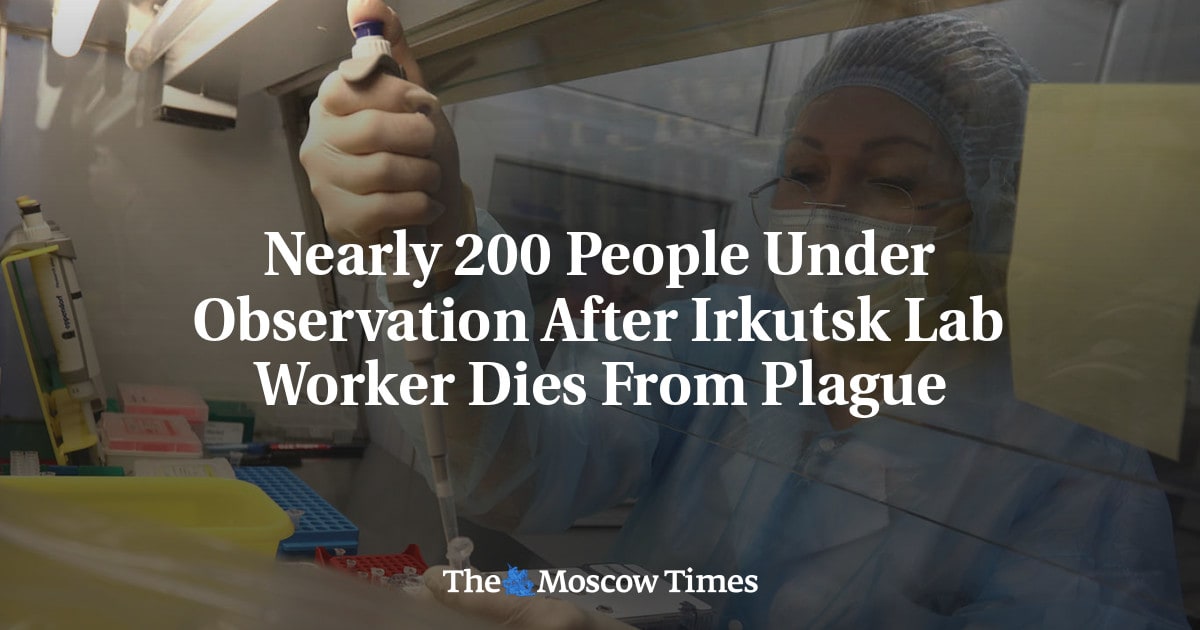
A 28-year-old lab scientist, Daria Shipilova, has died following a suspected plague incident at the Irkutsk Anti-Plague Institute. Russian authorities are monitoring nearly 200 contacts while international observers, including the U.S. government, track the situation for potential public health risks.
The Irkutsk Incident: A Public Health Crisis Unfolds
The recent death of 28-year-old laboratory scientist Daria Shipilova at the Irkutsk Anti-Plague Institute has triggered a significant public health response in Siberia. With nearly 200 individuals placed under medical observation, the incident highlights the ongoing risks associated with handling highly dangerous pathogens in research environments. While Russian health authorities have officially labeled the incident as involving a “dangerous infectious disease,” the global scientific community and international observers are closely monitoring the situation for any confirmation of Yersinia pestis.
The Controversy Over Disclosure
A notable tension has emerged regarding the transparency of the information provided by Russian regional officials. While governors and regional leaders, including Buryatia’s Alexei Tsydenov, have moved to assure the public that the infection is contained and unrelated to broader outbreaks, international reports suggest a disparity in the official narrative. The reluctance of Russian authorities to explicitly confirm a plague diagnosis has fueled speculation in the United States and elsewhere, with some observers questioning whether a cover-up is underway to prevent public panic or international scrutiny.
Institutional Context and Biosafety
The Irkutsk Anti-Plague Institute is part of a specialized network of facilities in Russia historically tasked with monitoring and studying dangerous zoonotic diseases. Working with live bacteria like Yersinia pestis—the causative agent of the plague—requires stringent biosafety protocols. The death of a young researcher within such a specialized facility inevitably raises questions about laboratory safety standards, potential equipment failure, or human error. This event serves as a grim reminder of the high-stakes nature of infectious disease research.
International Implications and Monitoring
The international community, including the White House, has begun monitoring the developments in Irkutsk. Because the plague is a disease with significant historical and epidemiological consequences, any suspected outbreak—even within a controlled lab setting—carries immediate geopolitical and public health implications. The involvement of U.S. officials underscores the global concern regarding the potential for pathogen leakage and the necessity of international cooperation in monitoring biosecurity threats.
Future Trends in Biosafety
Looking forward, this incident is likely to prompt a re-evaluation of laboratory safety protocols for institutions dealing with Tier-1 pathogens. If the investigation confirms a link to Yersinia pestis, it will likely lead to calls for stricter oversight of anti-plague institutes and potentially more robust reporting requirements for incidents involving high-consequence pathogens. The focus will remain on the health of the 200 contacts currently under observation, as their status will be the primary indicator of whether the infection has moved beyond the laboratory environment.
Conclusion
The tragic death of Daria Shipilova remains a developing story that sits at the intersection of public health, scientific research, and international relations. As authorities continue to track those who were in contact with the deceased, the world waits for clarity on the nature of the pathogen involved. Ensuring transparency and rigorous adherence to safety protocols will be essential to preventing future incidents and maintaining public trust in the institutions tasked with defending against dangerous infectious diseases.